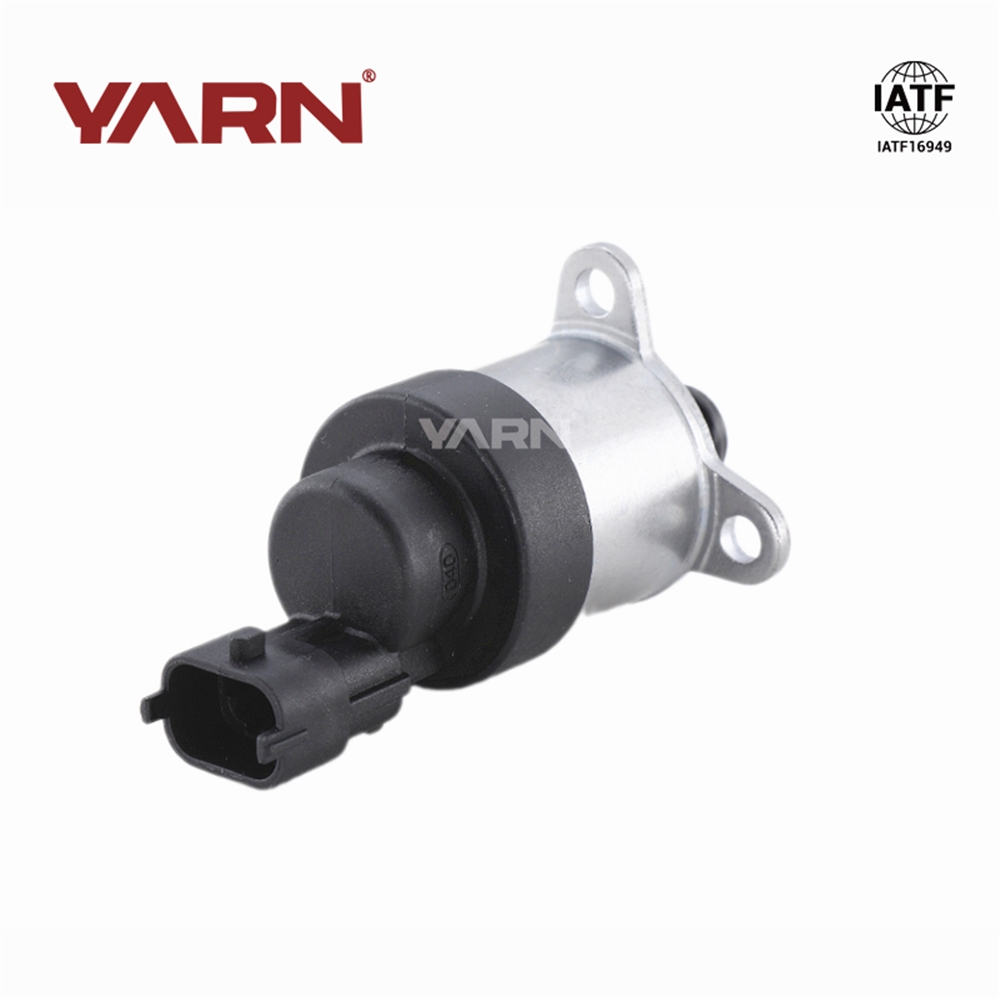
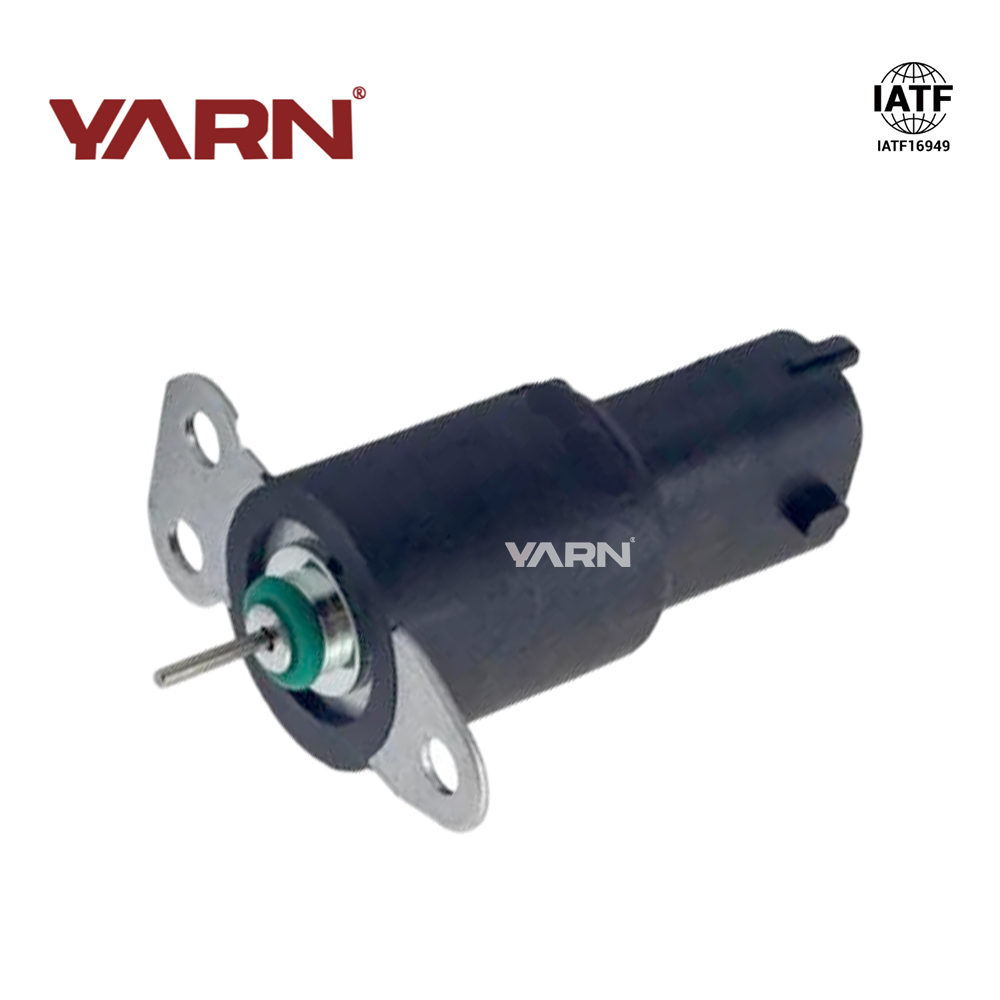
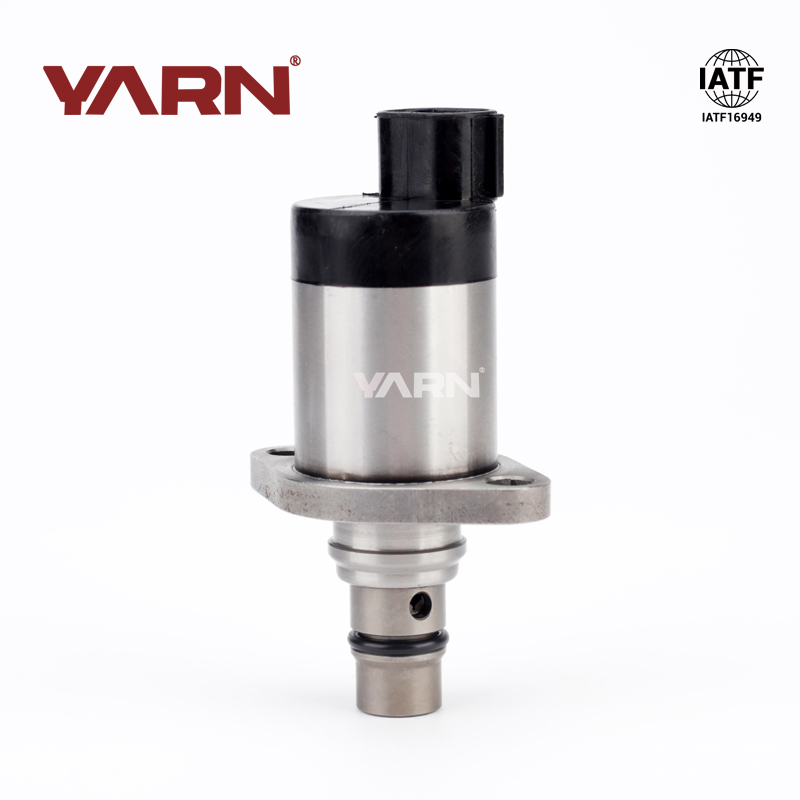
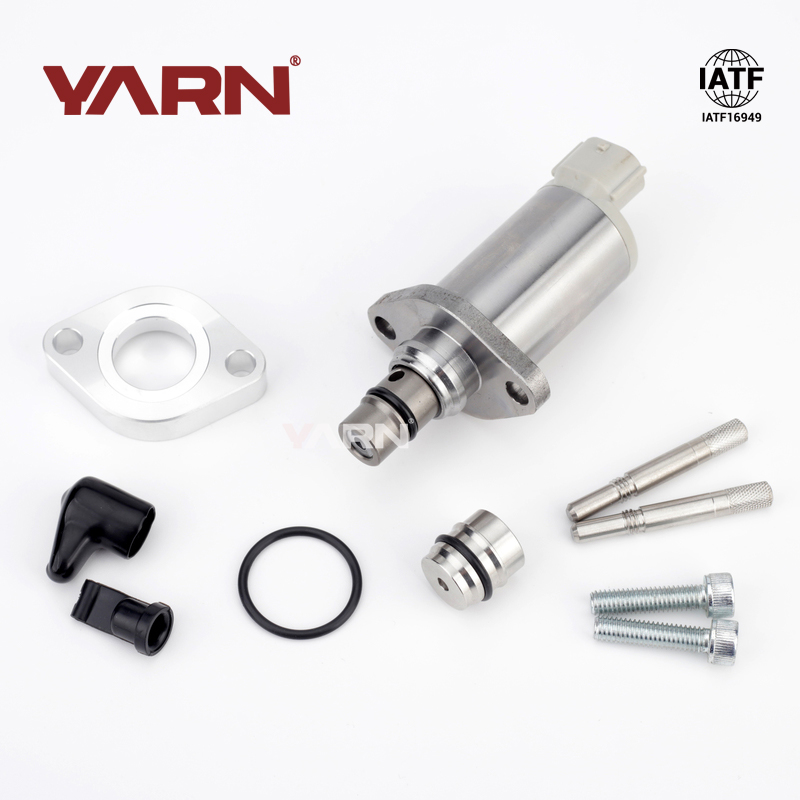
Private label:Support
Warranty:12 Months
Packing:Natural Box or Color Box
Suits for Pump/Rail Number:
0 445 020 023,0445020023,0 445 020 213,0445020213,0 445 020 042,0445020042,0 445 020 216,0445020216,0 445 020 061,0445020061,0 445 020 219,0445020219,0 445 020 068,0445020068,F 01G 000 01K,F01G00001K,0 445 020 074,0445020074,F 01G 000 01U,F01G00001U,0 445 020 084,0445020084,F 01G 000 01V,F01G00001V,0 445 020 086,0445020086,F 01G 000 01W,F01G00001W,0 445 020 087,0445020087,F 01G 000 01Z,F01G00001Z,0 445 020 091,0445020091,F 01G 000 020,F01G000020,0 445 020 092,0445020092,F 01G 000 021,F01G000021,0 445 020 094,0445020094,F 01G 000 022,F01G000022,0 445 020 098,0445020098,F 01G 000 023,F01G000023,0 445 020 102,0445020102,F 01G 000 024,F01G000024,0 445 020 108,0445020108,F 01G 000 028,F01G000028,0 445 020 115,0445020115,F 01G 000 029,F01G000029,0 445 020 116,0445020116,F 01G 000 02A,F01G00002A,0 445 020 144,0445020144,F 01G 000 02B,F01G00002B,0 445 020 163,0445020163,F 01G 000 02T,F01G00002T,0 445 020 164,0445020164,F 01G 000 02U,F01G00002U,0 445 020 165,0445020165,F 01G 000 02V,F01G00002V,0 445 020 174,0445020174,F 01G 000 02W,F01G00002W,0 445 020 177,0445020177,F 01G 000 02X,F01G00002X,0 445 020 181,0445020181,F 01G 000 02Y,F01G00002Y,0 445 020 184,0445020184,F 01G 000 036,F01G000036,0 445 020 194,0445020194,F 01G 000 037,F01G000037
FAQ:
Q1: Are you trading company or manufacturer?
A: We are factory in Rui an City.
Q2: How long is your production time?
A: Normal takes 3-7 days if we have stocks.If no enough stocks,it will takes about 20 days.
Q3: Do you provide samples? is it free or extra?
A: Yes.We offer samples.We charge for sample cost and freight cost.
Q4: What is your terms of payment?
A: Normal T/T payment.
Q5: What is your quality standard?
A: OE quality standard.All valves will test 2 times at least before shipment.Only ship the good
quality.
Q6: Can you produce according to sample or customize product?
A: Yes. We have a professional technical team with pre-sale and after sale service to perform your
request.
Q7: How do you make our business long-term and good relationship?
A: We keep good quality and competitive price to ensure our customers benefit ; We respect every customer
as our friend and we sincerely do business and make friends with them.
Our Advantage:
Excellent Quality Stable and Reliable
1. stable supply chain.
2. Strong relationship with business partners.
3. 90% of the Chinese market, widely acclaimed.
4. Highly efficient team service.
5. Timely
pre-sales and after-sales service.
Professional Factory Focus on product
details:
1. Selected superior imported materials, mature material supply chain.
2. Strict production management according to IATF-16949.
3. Strict quality inspection, 200% quality inspection rate.
4. Exported to more than 30 countries and regions, trusted by customers.
Quality Warranty:
1 year quality guarantee, all products have been tested 2 times before leaving the factory to ensure
stability.
Feedback:
Please share me video and photos to us for after sales.
We would also like to get your suggestions to
improve our products.
If you have any questions or need a quotation, please feel free to contact us. We will reply to your email
or phone call as soon as possible. We look forward to working with you to create a better future.
1. What Is a Fuel Metering Valve
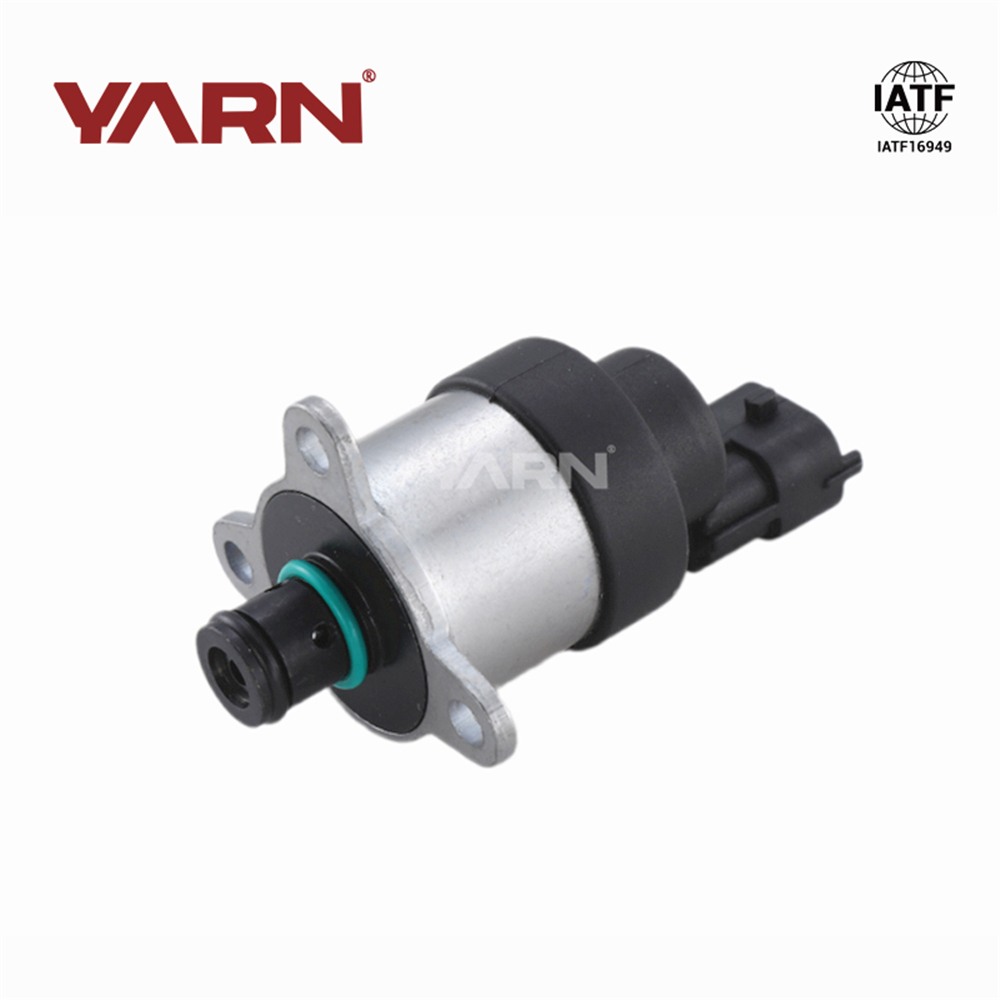
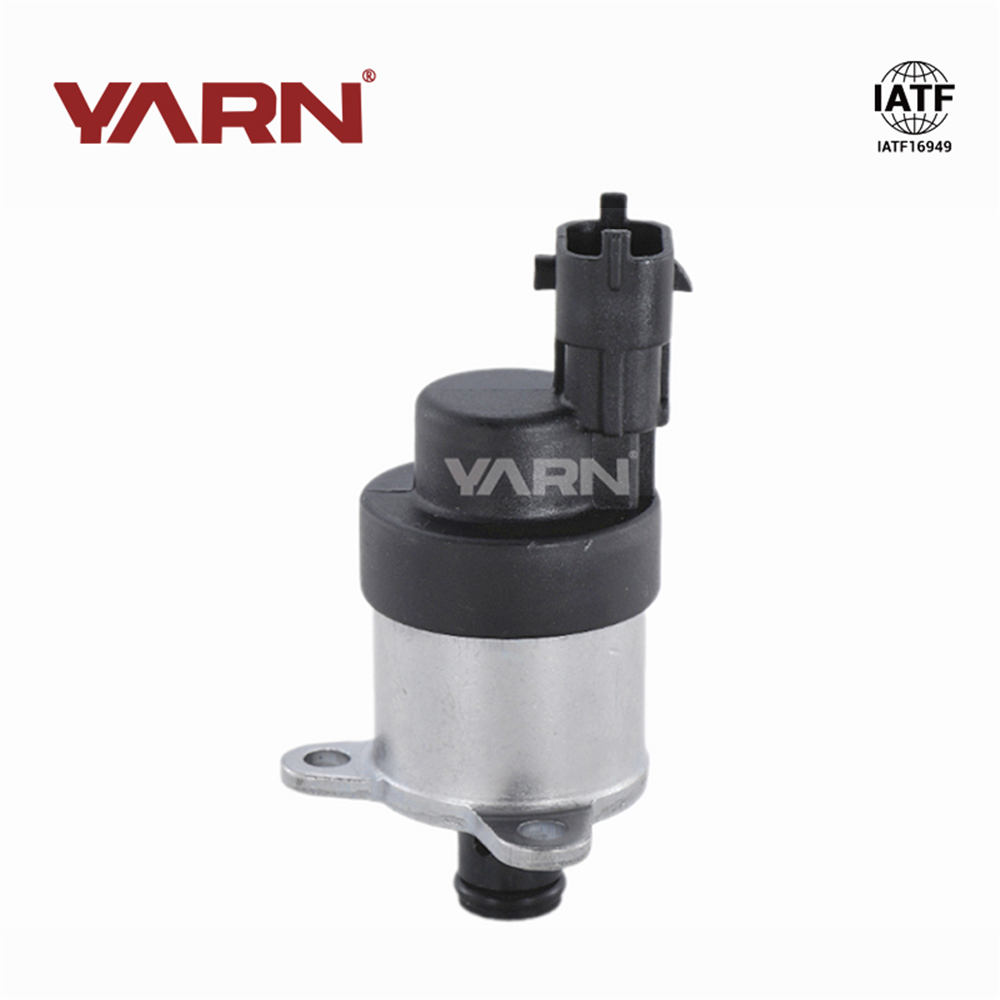
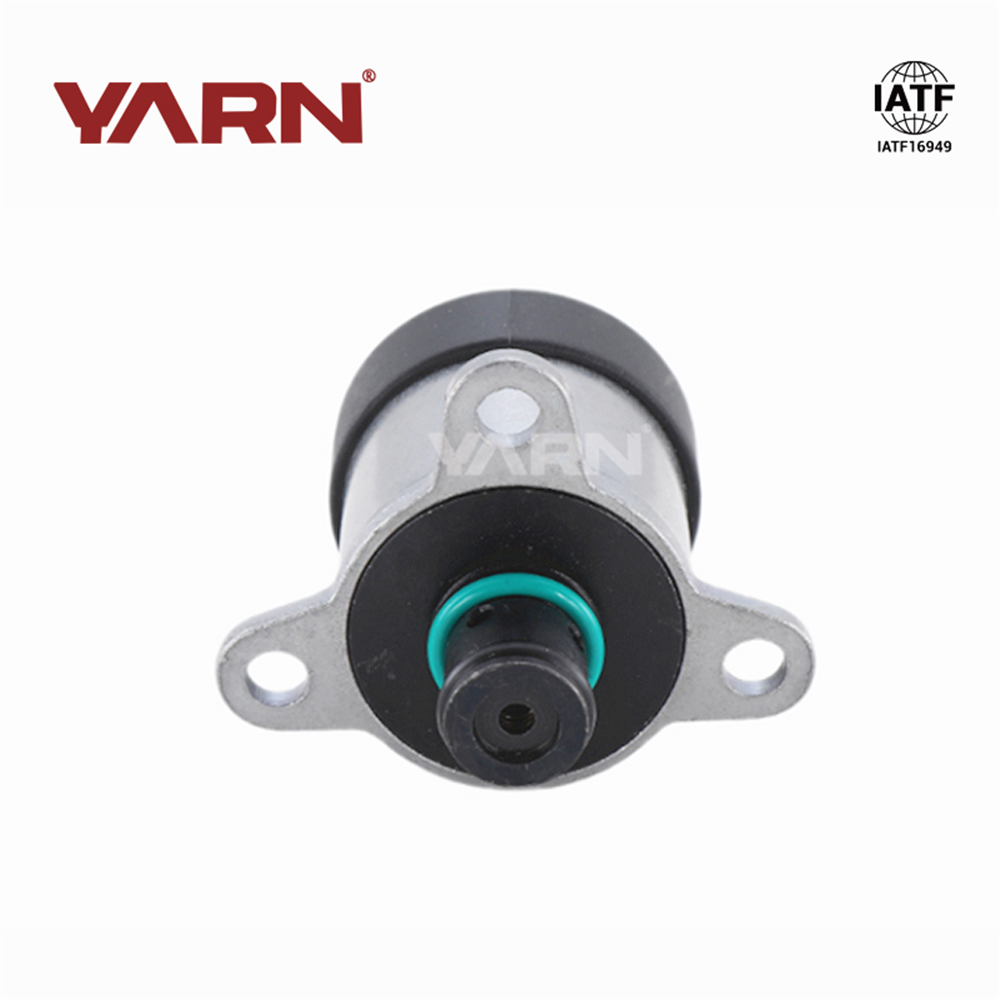
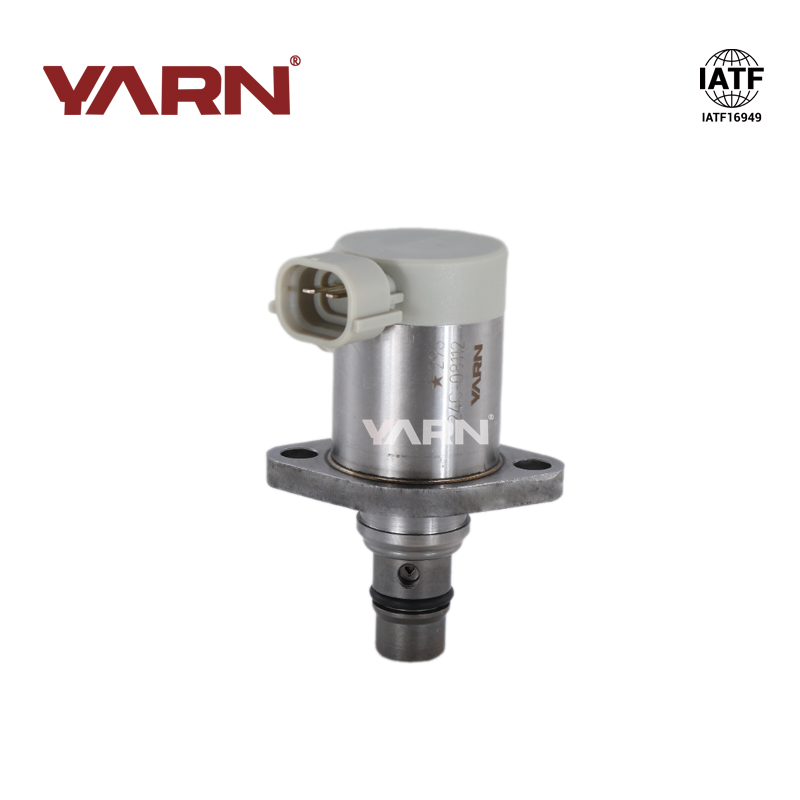
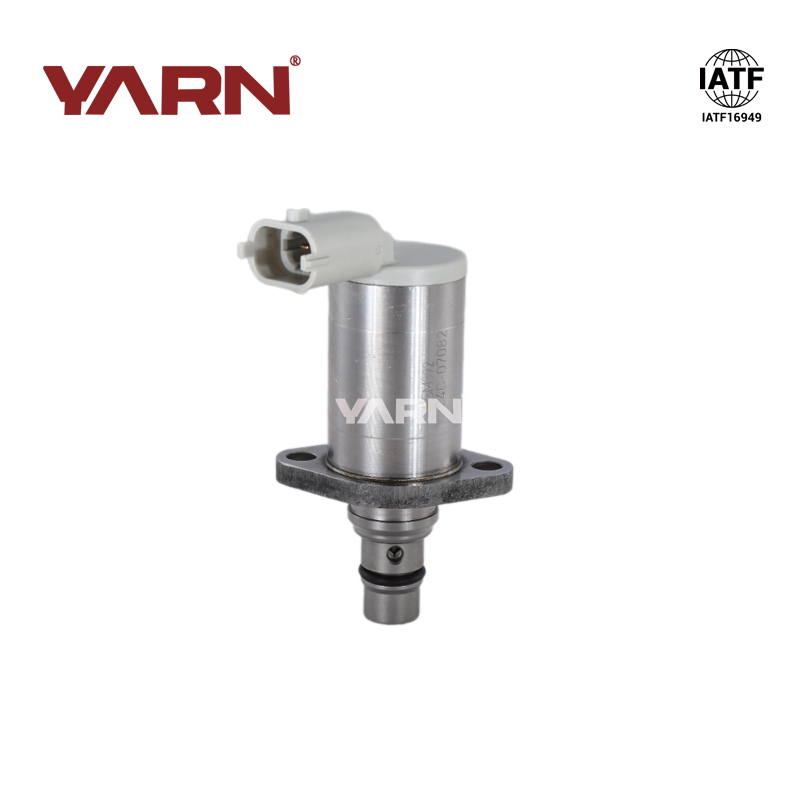
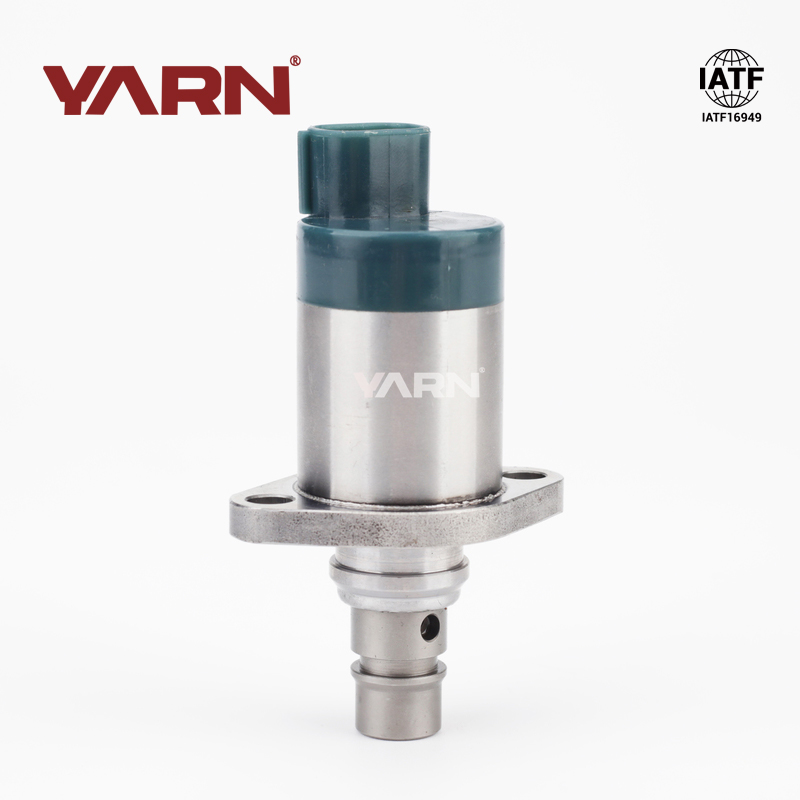
A fuel metering valve is an electronically controlled precision device that regulates the volume of fuel supplied from the low-pressure circuit to the high-pressure pump in a common rail fuel injection system. It is typically mounted on the inlet side of the high-pressure pump. The valve receives a pulse-width modulated (PWM) signal from the engine control unit, which moves a solenoid-actuated plunger or spool to vary the opening area of the fuel passage. By controlling how much fuel enters the pumping chamber, the metering valve directly determines the output pressure of the high-pressure pump and thus the pressure inside the fuel rail. Unlike a simple on-off valve, a fuel metering valve provides infinitely variable flow control, allowing the system to match fuel delivery exactly to engine demand. Most modern diesel and some gasoline direct injection engines use this component as the primary actuator for rail pressure control, replacing older mechanical pressure regulators and significantly improving efficiency.
2. Why the Fuel Metering Valve Matters
The fuel metering valve is critical because it determines the precision and stability of rail pressure, which directly affects combustion quality, emissions, and fuel economy. By delivering exactly the required fuel volume to the high-pressure pump, it prevents excessive pumping work that would waste energy and heat the fuel. Accurate metering enables the rail pressure to stay within ±20 bar of the target value under all operating conditions, ensuring consistent injector opening and atomization. Without a properly functioning metering valve, the common rail system cannot maintain stable pressure, leading to rough idling, poor throttle response, increased smoke and NOx emissions, and potentially engine stalling. Moreover, the valve acts as a system protector: if it fails open, the rail pressure can skyrocket; if failed closed, the engine receives no fuel. Many engine control strategies rely on the metering valve’s fast response (typically below 10 ms) to shape pilot injection events and reduce diesel knock. For these reasons, the fuel metering valve is considered one of the most important actuators in a modern electronically controlled diesel engine.
3. Common Product Types by Fuel Metering Valve
Fuel metering valves are classified primarily by actuation principle, hydraulic design, and application pressure range. The most common type is the normally open proportional solenoid valve, where with zero current the valve allows maximum fuel flow, and increasing current reduces flow. This provides a fail-safe mode (engine can still run with electrical failure, albeit poorly). Conversely, normally closed types are used in some systems where safety demands fuel cut-off on power loss. By hydraulic design: spool-type valves use a sliding spool with metering edges, offering good linearity; poppet/seat-type valves provide better leakage sealing but require higher magnetic force. By control signal: analog (current-controlled) and PWM (duty-cycle controlled). Some advanced valves integrate a position sensor (e.g., Hall effect or inductive) for closed-loop control of the plunger position, enabling even more precise metering. Pressure rating categories: low-pressure (up to 10 bar, for lift pump regulation), medium-pressure (10–50 bar), and high-pressure inlet metering for pumps exceeding 2,000 bar rail pressure. Additionally, there are two-stage metering valves that use a small pilot solenoid to control a larger main valve, reducing electrical power consumption.
4. Key Advantages of Fuel Metering Valve
Key advantages include superior fuel economy, reduced emissions, flexible control, and system protection. By feeding only the necessary fuel volume to the high-pressure pump, the metering valve eliminates excess compression work, improving overall engine efficiency by 2–5% compared to fixed relief valve systems. Lower pumping work also reduces fuel heating, which improves high-pressure pump durability and allows greater injection timing flexibility. The fast, proportional response enables precise rail pressure shaping during transients (acceleration, deceleration, gear shifts), directly reducing turbo lag and smoke. Unlike a pressure relief valve that dumps excess fuel and heats it, a metering valve minimizes recirculation, lowering the thermal load on the fuel system. Electrically controlled, it supports closed-loop pressure control with diagnostic feedback, allowing the engine control unit to detect valve aging or sticking. Many designs are also quieter than mechanical regulators, contributing to better NVH performance. Finally, the fail-safe behavior (normally open) ensures the engine can still operate in limp-home mode if electrical power or control signal is lost, improving vehicle reliability.
5. Fuel Metering Valve Machine Structure and Core Stations
The mechanical structure includes: a solenoid coil (copper winding), a magnetic casing with flux concentrator, a movable armature (plunger) attached to a metering spool or ball, a return spring, a precision valve seat or sleeve with metering orifices, a filter screen to protect the metering edge from debris, and a valve housing (typically anodized aluminum or stainless steel). Core manufacturing and assembly stations: (1) Coil winding and encapsulation – precision winding, insulation testing, and overmolding with high-temperature polymer. (2) Valve sleeve or seat machining – micro-finishing of metering edges and sealing cones using plunge grinding or lapping to achieve sub-micron roundness. (3) Armature and spool assembly – bonding or press-fitting the spool to the armature, ensuring concentricity within 0.02 mm. (4) Spring calibration – measuring spring force at specific preload lengths. (5) Solenoid subassembly – inserting armature, spring, and guide into the magnetic tube, then laser welding or crimping the tube end. (6) Flow calibration station – passing controlled fluid through the valve while measuring flow versus current/PWM duty cycle; adjusting via shims or software trimming. (7) Leakage test – using helium or pressure decay to measure internal and external leakage at rated pressure. (8) Final functional test – response time, hysteresis, temperature stability, and electromagnetic compatibility check. (9) Laser marking – engraving part number, flow rating, and date code.