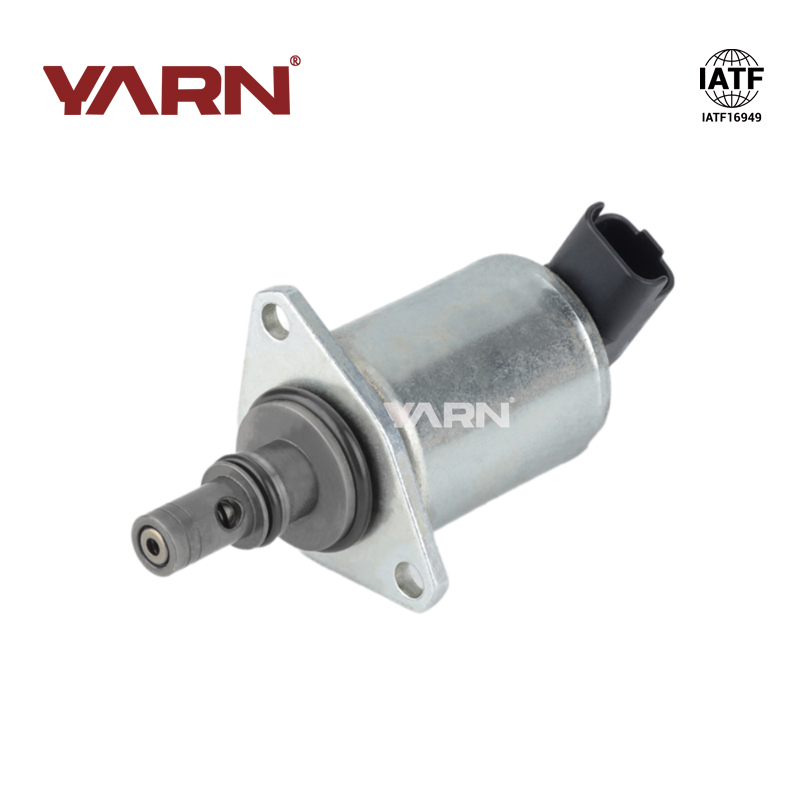
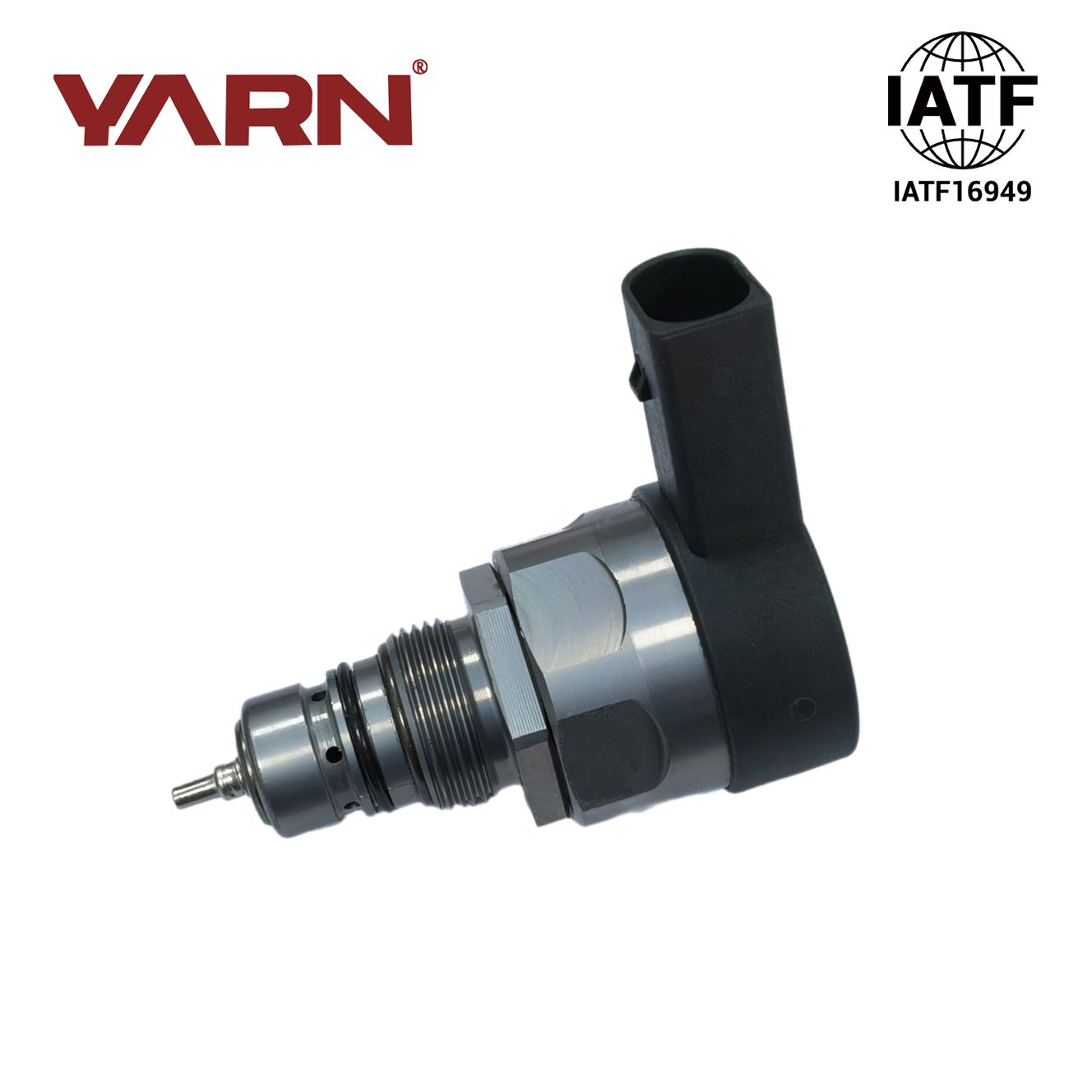
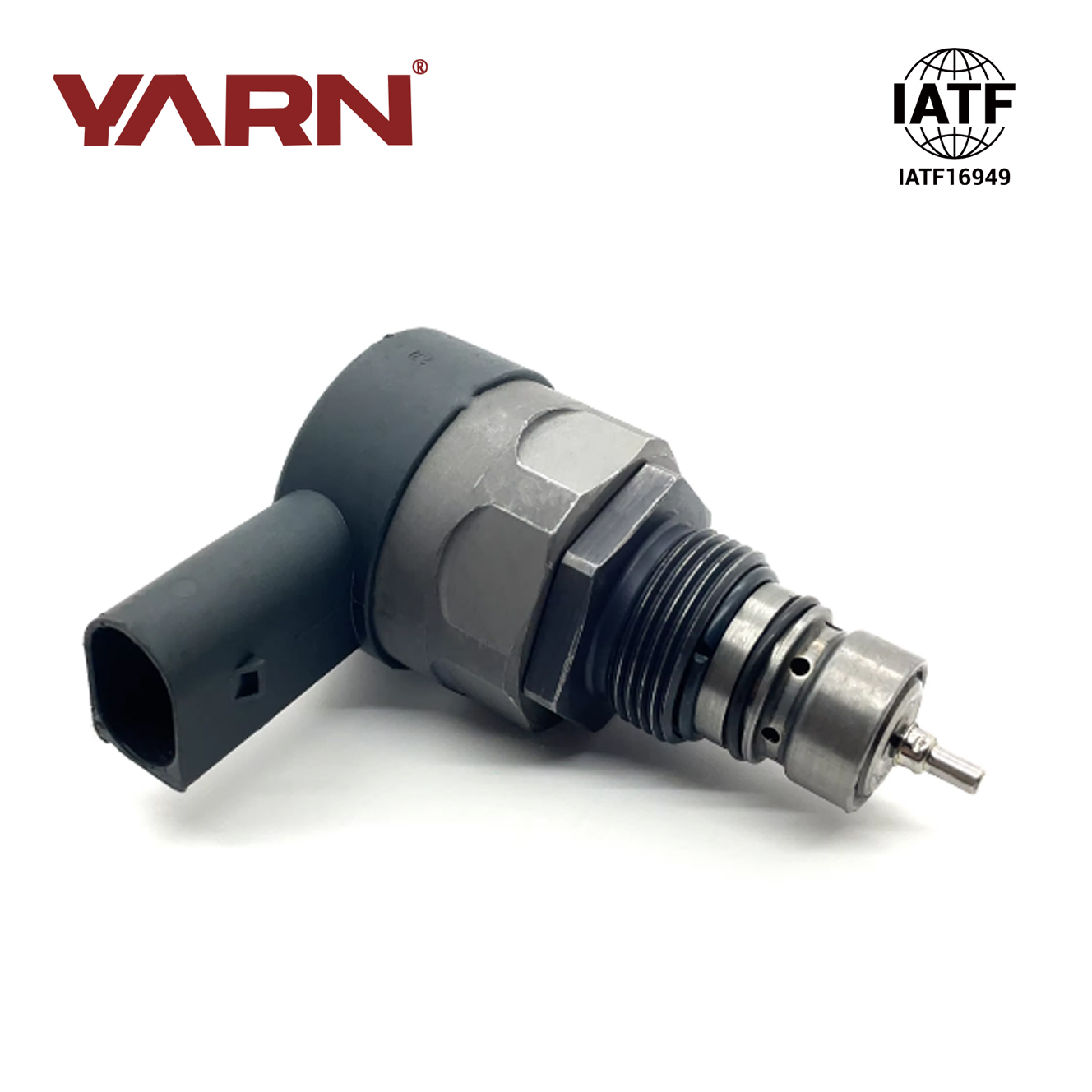
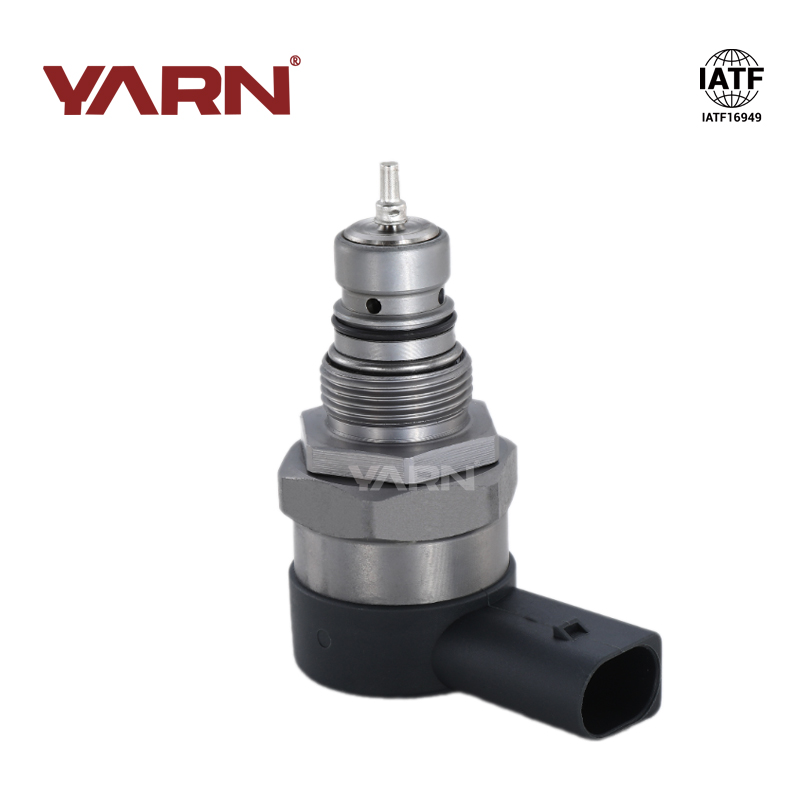
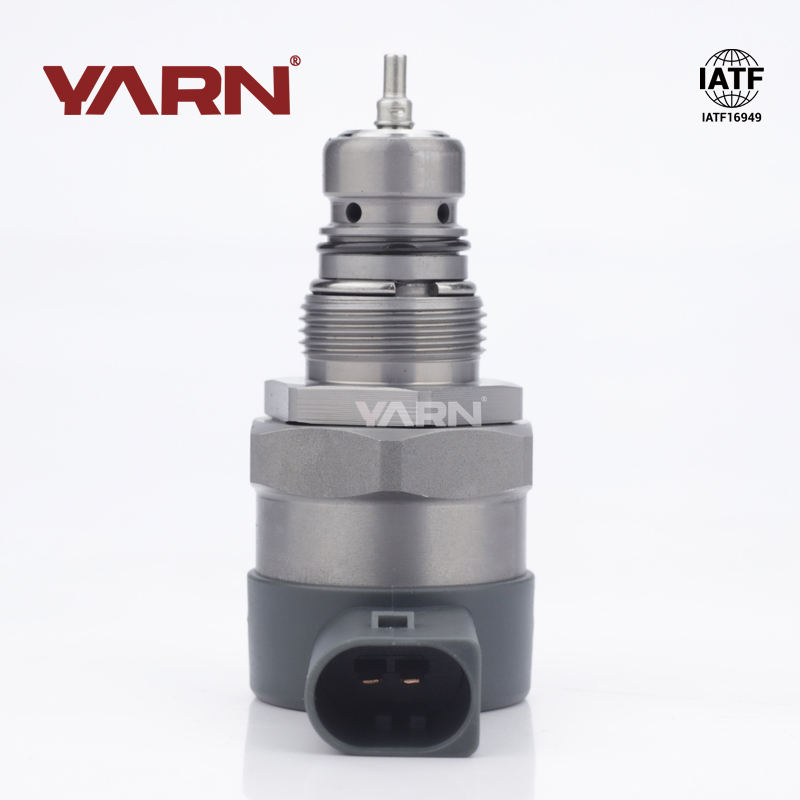
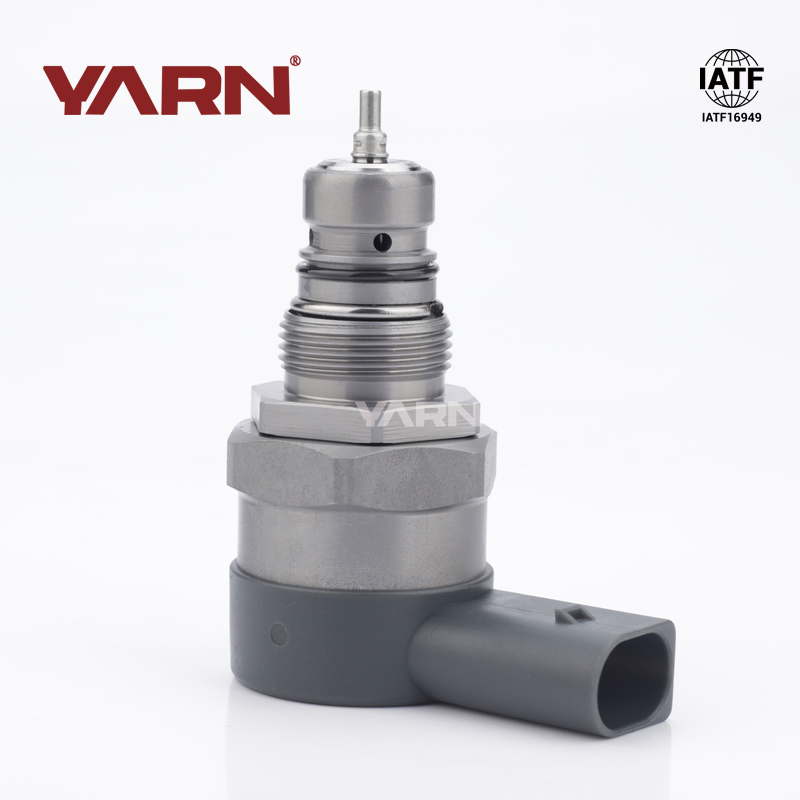
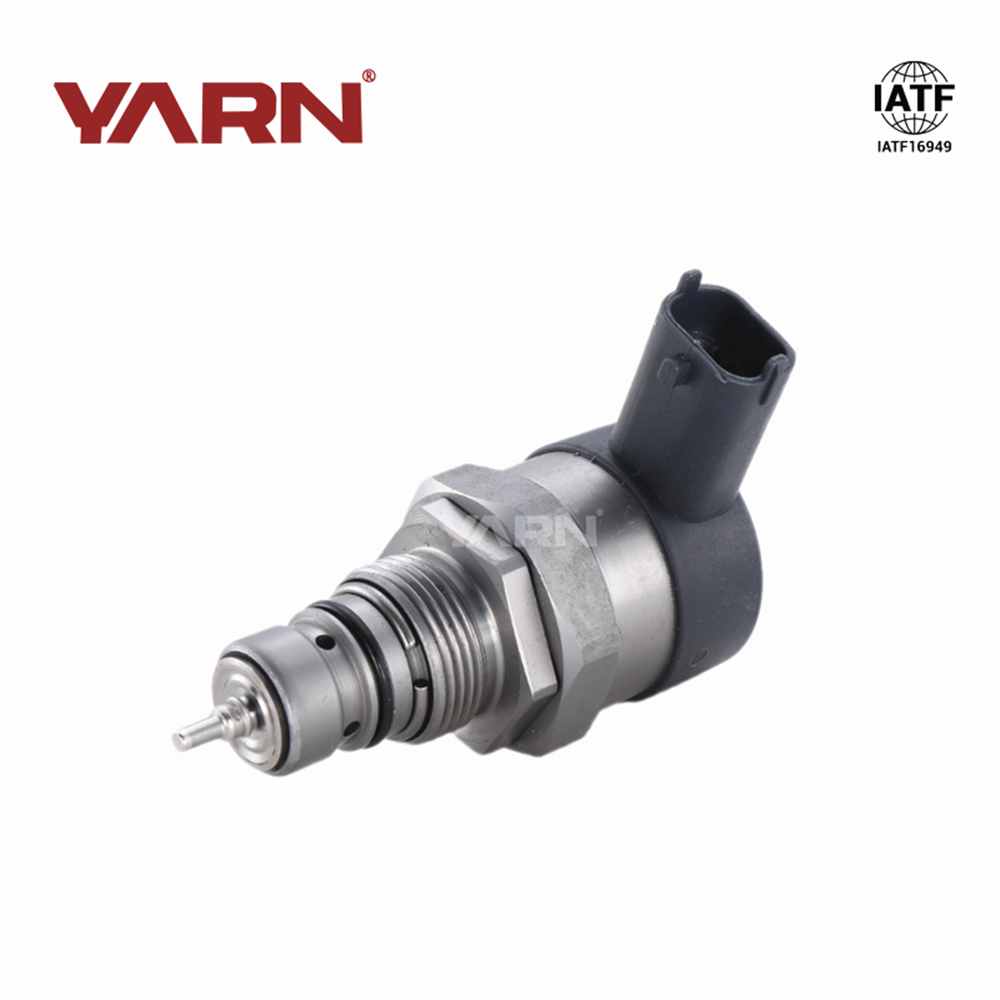
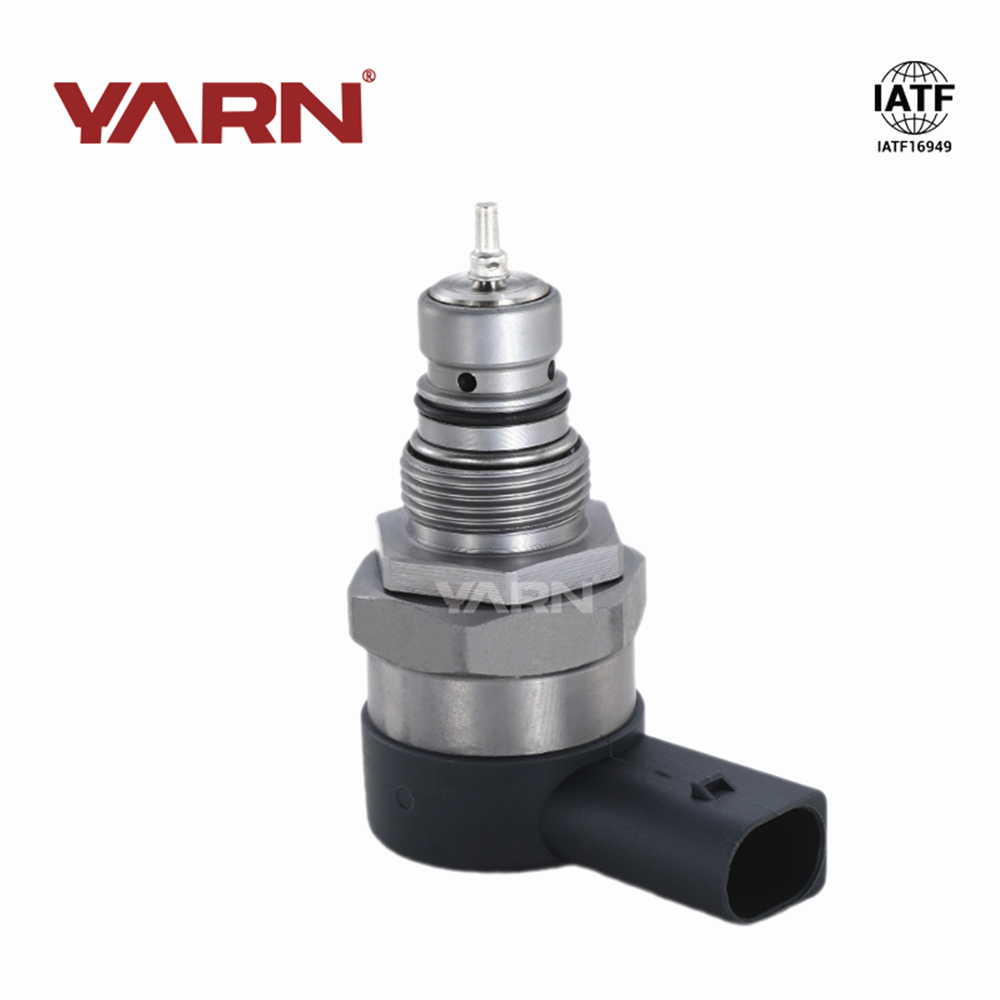
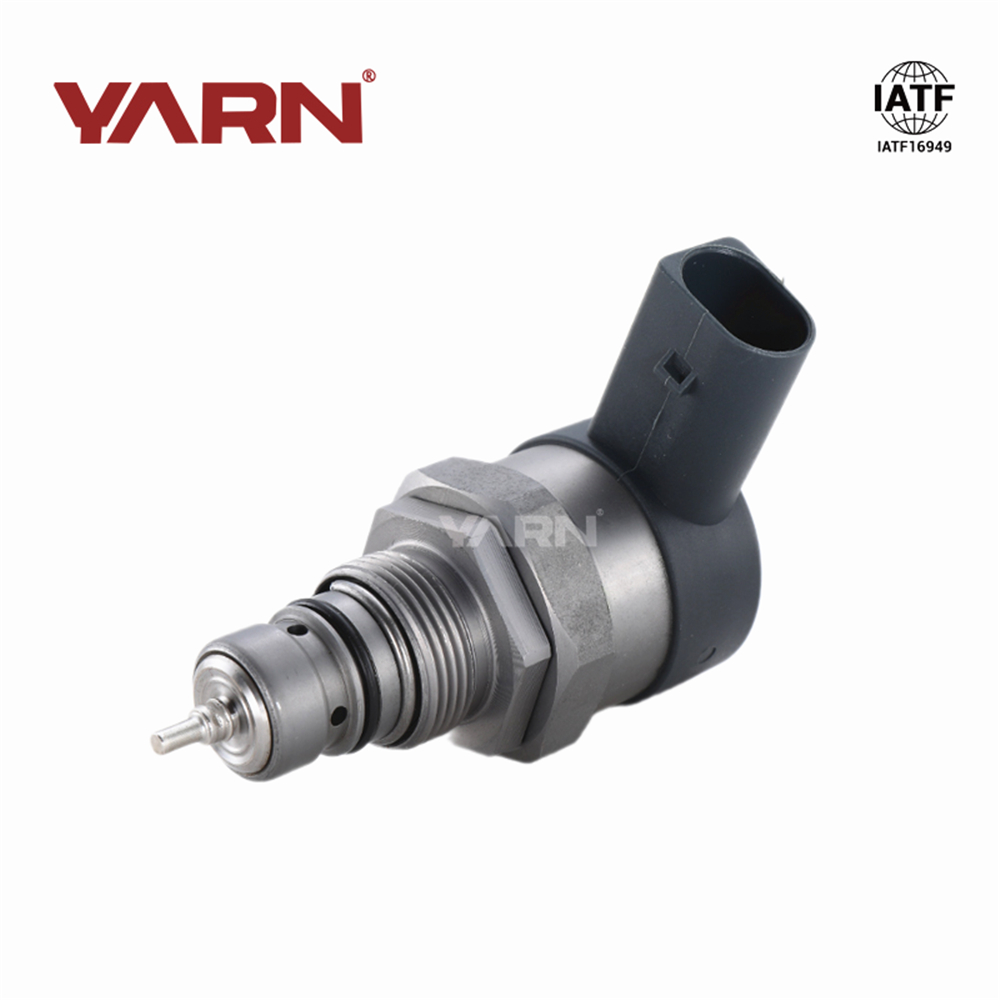
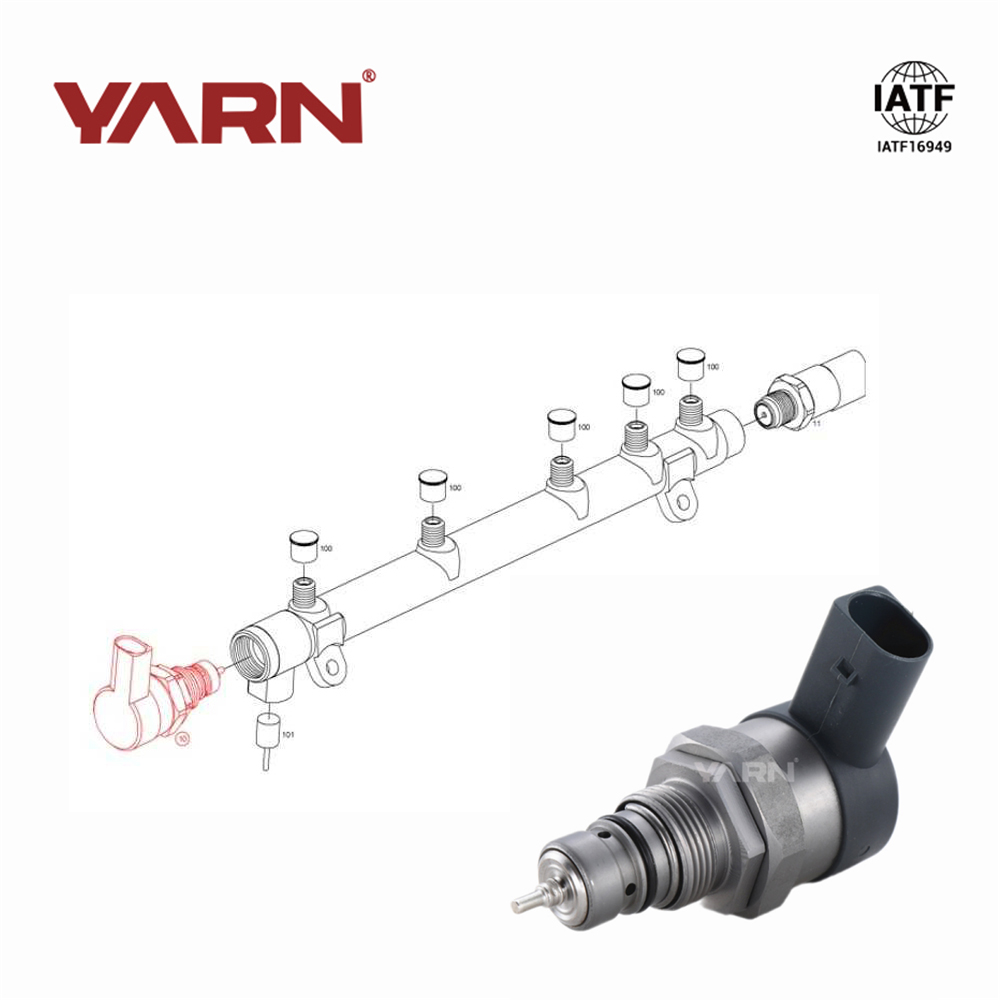
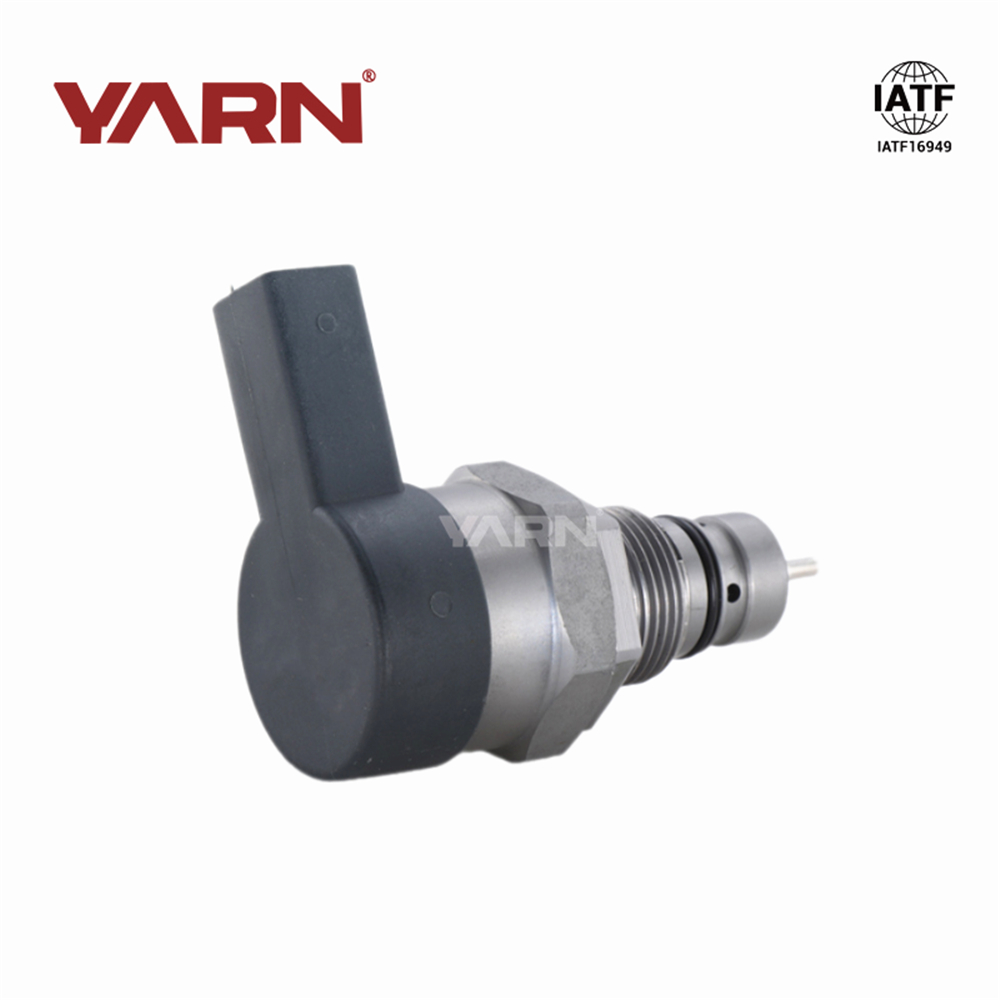
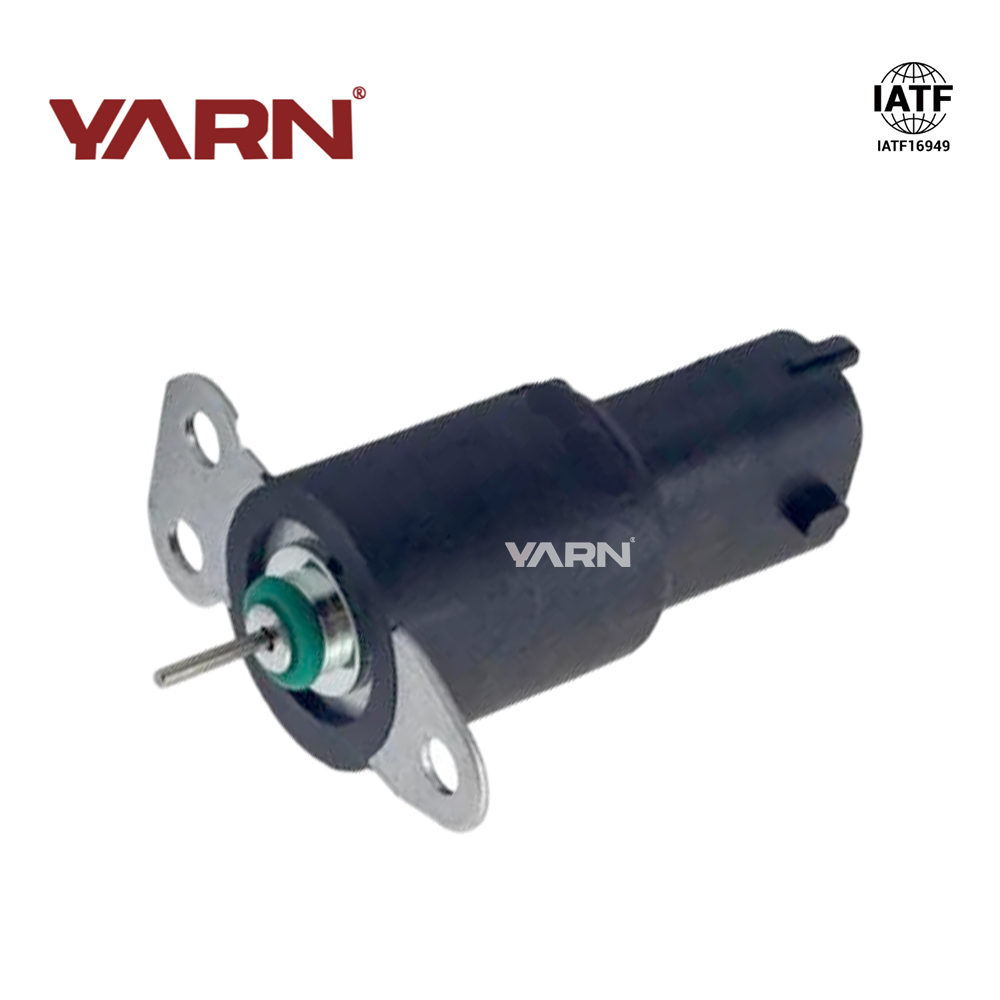
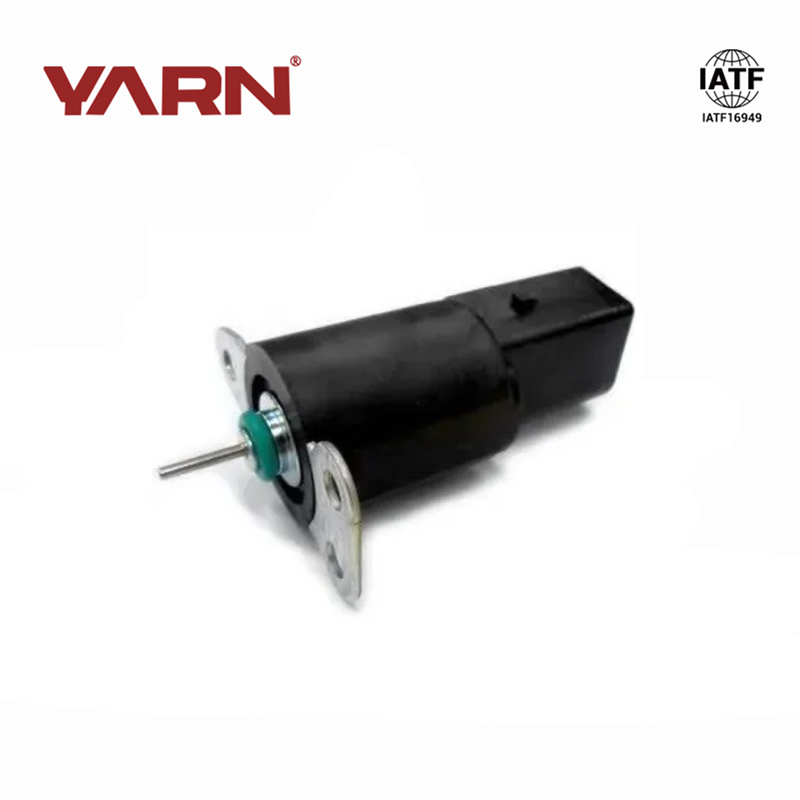
Common Rail System Pressure Control Valve
Private label:Support
Warranty:12 Months
Packing:Natural Box or Color Box
Fuel Pressure Regulator 0281006253 0281006254 057130764AE 057130764AD 0281006179 0281006180 for AUDI PORSCHE VW
Suits for Pump/Fuel distributor Rail Number:
057130090AC ,059130090BT ,059130090CB ,059130090CN ,059130090CM ,059130089BS ,
057 130 090AC ,059 130 090BT ,059 130 090CB ,059 130 090CN ,059 130 090CM ,059 130 089BS
Suits For:
CarManufacturedKWHPcc3AUDI A4 Allroad B8 (8KH) 3.0 TDI quattro01.12-05.161802452967AUDI A4 B8 (8K2) 3.0 TDI11.11-12.151502042967AUDI A4 B8 (8K2) 3.0 TDI quattro11.11-12.151802452967AUDI A4 B8 Avant (8K5) 3.0 TDI11.11-12.151502042967AUDI A4 B8 Avant (8K5) 3.0 TDI quattro11.11-12.151802452967AUDI A5 (8T3) 3.0 TDI10.11-01.171502042967AUDI A5 (8T3) 3.0 TDI quattro05.15-01.171602182967AUDI A5 (8T3) 3.0 TDI quattro10.11-01.171802452967AUDI A5 Convertible (8F7) 3.0 TDI10.11-01.171502042967AUDI A5 Convertible (8F7) 3.0 TDI quattro10.11-01.171802452967AUDI A5 Sportback (8TA) 3.0 TDI10.11-01.171502042967AUDI A5 Sportback (8TA) 3.0 TDI quattro05.15-01.171602182967AUDI A5 Sportback (8TA) 3.0 TDI quattro10.11-01.171802452967AUDI A6 C7 (4G2, 4GC) 3.0 TDI11.10-09.181502042967AUDI A6 C7 (4G2, 4GC) 3.0 TDI quattro03.11-09.181802452967AUDI A6 C7 (4G2, 4GC) 3.0 TDI quattro09.14-09.182353202967AUDI A6 C7 (4G2, 4GC) 3.0 TDI quattro11.11-09.182303132967AUDI A6 C7 (4G2, 4GC) 3.0 TDI quattro03.11-09.181502042967AUDI A6 C7 (4G2, 4GC) 3.0 TDI quattro09.14-09.182403262967AUDI A6 C7 Avant (4G5, 4GD) 3.0 TDI05.11-09.181502042967AUDI A6 C7 Avant (4G5, 4GD) 3.0 TDI quattro05.11-09.181502042967AUDI A6 C7 Avant (4G5, 4GD) 3.0 TDI quattro09.14-09.182353202967AUDI A6 C7 Avant (4G5, 4GD) 3.0 TDI quattro05.11-09.181802452967AUDI A6 C7 Avant (4G5, 4GD) 3.0 TDI quattro11.11-09.182303132967AUDI A6 C7 Avant (4G5, 4GD) 3.0 TDI quattro09.14-09.182403262967AUDI A7 Sportback (4GA, 4GF) 3.0 TDI07.14-05.181602182967AUDI A7 Sportback (4GA, 4GF) 3.0 TDI quattro05.14-05.182353202967AUDI A7 Sportback (4GA, 4GF) 3.0 TDI quattro09.14-05.182403262967AUDI A7 Sportback (4GA, 4GF) 3.0 TDI quattro07.14-05.181552112967AUDI A8 D4 (4H2, 4H8, 4HC, 4HL) 3.0 TDI quattro07.10-01.181842502967AUDI A8 D4 (4H2, 4H8, 4HC, 4HL) 3.0 TDI quattro05.15-01.181932622967AUDI A8 D4 (4H2, 4H8, 4HC, 4HL) 3.0 TDI quattro08.10-11.151552112967AUDI A8 D4 (4H2, 4H8, 4HC, 4HL) 3.0 TDI quattro10.13-01.181902582967AUDI A8 D4 (4H2, 4H8, 4HC, 4HL) 4.2 TDI quattro10.13-01.182833854134AUDI Q5 (8RB) 3.0 TDI quattro06.12-05.171842502967AUDI Q5 (8RB) 3.0 TDI quattro06.12-05.171802452967AUDI Q5 (8RB) 3.0 TDI quattro11.13-05.171902582967AUDI Q5 (8RB) 3.0 TDI quattro11.08-05.171762402967AUDI Q5 (8RB) SQ5 TDI quattro12.12-11.152303132967AUDI Q7 (4LB) 3.0 TDI quattro11.07-08.151762402967AUDI Q7 (4LB) 3.0 TDI quattro05.11-08.151802452967AUDI Q7 (4LB) 3.0 TDI quattro05.10-08.151502042967AUDI Q7 (4LB) 4.2 TDI quattro05.09-08.152503404134VW TOUAREG (7P5, 7P6) 3.0 V6 TDI05.11-03.181802452967VW TOUAREG (7P5, 7P6) 3.0 V6 TDI01.10-03.181502042967VW TOUAREG (7P5, 7P6) 3.0 V6 TDI09.14-03.181932622967VW TOUAREG (7P5, 7P6) 3.0 V6 TDI01.10-03.181762402967
Fuel pressure control valve ,CR System ,
Fuel pressure Regulator,
BOSCH Druckregelventil ,Kraftstoffmessmagnetventil , CR System ,
BOSCH ZAWOR DOZUJACY CR ,
BOSCH Regulator ciśnienia - CR system ,
BOSCH Nyomásszabályozó szelep, common rail rendszer ,
BOSCH Spiediena regulators Bosch Common-Rail-Systēmai ,
BOSCH Regulador de presión - CR Systema ,
BOSCH Regulador de pressão - CR Sistema ,
BOSCH Регулатор на налягането - CR System ,
BOSCH Regulator tlaka - CR ,
BOSCH Regulátor tlaku - CR System ,Måle drivstoff magnetventil ,
BOSCH Regulator tlaka - CR sistem ,
BOSCH Paineensäädin - CR System ,
BOSCH Regolatore di pressione - CR System ,
BOSCH Valvola regolapressione - Sistema Common-Rail ,
BOSCH Regulator de presiune - CR System ,
BOSCH Tryckregulator - CR System ,
BOSCH Þrýstingur eftirlitsstofnanna - CR System ,
BOSCH Ρυθμιστής πίεσης - CR System
BOSCH Дозировочный блок , Редукционный клапан ,
BOSCH Регулятор давления подачи топлива CR ,
BOSCH Дозувальний блок CR ,
FAQ:
Q1: Are you trading company or manufacturer?
A: We are factory in Rui an City.
Q2: How long is your production time?
A: Normal takes 3-7 days if we have stocks.If no enough stocks,it will takes about 20 days.
Q3: Do you provide samples? is it free or extra?
A: Yes.We offer samples.We charge for sample cost and freight cost.
Q4: What is your terms of payment?
A: Normal T/T payment.
Q5: What is your quality standard?
A: OE quality standard.All valves will test 2 times at least before shipment.Only ship the good
quality.
Q6: Can you produce according to sample or customize product?
A: Yes. We have a professional technical team with pre-sale and after sale service to perform your
request.
Q7: How do you make our business long-term and good relationship?
A: We keep good quality and competitive price to ensure our customers benefit ; We respect every customer
as our friend and we sincerely do business and make friends with them.
Our Advantage:
Excellent Quality Stable and Reliable
1. stable supply chain.
2. Strong relationship with business partners.
3. 90% of the Chinese market, widely acclaimed.
4. Highly efficient team service.
5. Timely
pre-sales and after-sales service.
Professional Factory Focus on product
details:
1. Selected superior imported materials, mature material supply chain.
2. Strict production management according to IATF-16949.
3. Strict quality inspection, 200% quality inspection rate.
4. Exported to more than 30 countries and regions, trusted by customers.
Quality Warranty:
1 year quality guarantee, all products have been tested 2 times before leaving the factory to ensure
stability.
Feedback:
Please share me video and photos to us for after sales.
We would also like to get your suggestions to
improve our products.
If you have any questions or need a quotation, please feel free to contact us. We will reply to your email
or phone call as soon as possible. We look forward to working with you to create a better future.
1. What Is a Fuel Pressure Regulator
A fuel pressure regulator is a critical component in a vehicle’s fuel delivery system that maintains a consistent fuel pressure to the engine. It is typically installed on the fuel rail or within the fuel line and works by controlling the amount of fuel that returns to the tank. The regulator ensures that the pressure of fuel supplied to the injectors remains within a specified range, regardless of engine load or speed. It operates using a spring-loaded diaphragm that adjusts based on intake manifold pressure or preset calibration. By keeping fuel pressure stable, it allows the engine control system to deliver the correct air-fuel mixture for efficient combustion. This helps optimize engine performance, fuel efficiency, and emissions control under various driving conditions.
2. Why the Fuel Pressure Regulator Matters
The fuel pressure regulator is essential because it directly affects engine performance, efficiency, and reliability. If fuel pressure is too high, the engine may receive too much fuel, leading to poor combustion, increased emissions, and reduced fuel economy. If the pressure is too low, the engine may run lean, causing power loss, misfires, or even engine damage over time. The regulator ensures that the fuel injectors receive a steady and precise flow of fuel, enabling accurate air-fuel ratios. This is especially important for modern engines that rely on precise electronic control systems. Additionally, maintaining proper pressure reduces stress on fuel system components and helps prevent issues such as vapor lock or fuel starvation. Overall, it plays a key role in maintaining smooth engine operation and longevity.
3. Common Product Types of Fuel Pressure Regulators
Fuel pressure regulators come in several types, each designed for specific applications and performance requirements. Mechanical regulators are the most common and use a spring and diaphragm to control pressure based on engine conditions. Vacuum-referenced regulators adjust fuel pressure in response to intake manifold pressure, providing better efficiency under varying loads. Electronic fuel pressure regulators are used in advanced systems and are controlled by the engine management unit for precise adjustments. Return-style regulators allow excess fuel to flow back to the tank, while returnless systems regulate pressure within the fuel pump module. Adjustable regulators are often used in performance applications, allowing fine-tuning of fuel pressure. Each type is designed to meet different engine configurations and operational demands.
4. Key Advantages of Fuel Pressure Regulators
Fuel pressure regulators offer several advantages that enhance engine performance and efficiency. One of the primary benefits is maintaining a consistent fuel pressure, which ensures accurate fuel delivery to the engine. This leads to improved combustion efficiency, better fuel economy, and reduced emissions. They also help protect fuel system components by preventing excessive pressure that could cause damage. Another advantage is improved engine responsiveness, as stable fuel pressure allows for smoother acceleration and operation. In performance applications, adjustable regulators provide flexibility for tuning engine output. Additionally, they contribute to overall system reliability by reducing fluctuations in fuel supply. These advantages make fuel pressure regulators an essential component in both standard and high-performance engines.
5. Fuel Pressure Regulator Machine Structure and Core Stations
The structure of a fuel pressure regulator is designed to precisely control fuel flow and pressure. The main body is typically made of metal to withstand fuel pressure and environmental conditions. Inside, the core components include a diaphragm, a spring, and a valve mechanism. The diaphragm responds to pressure changes, while the spring sets the baseline pressure level. The valve opens or closes to regulate the amount of fuel returning to the tank. In vacuum-referenced designs, a vacuum port connects to the intake manifold, allowing the regulator to adjust pressure based on engine load. The core “stations” include the fuel inlet, pressure control chamber, valve seat, and return outlet. Each part works together to maintain stable pressure and ensure efficient fuel system operation.
_092302.png)