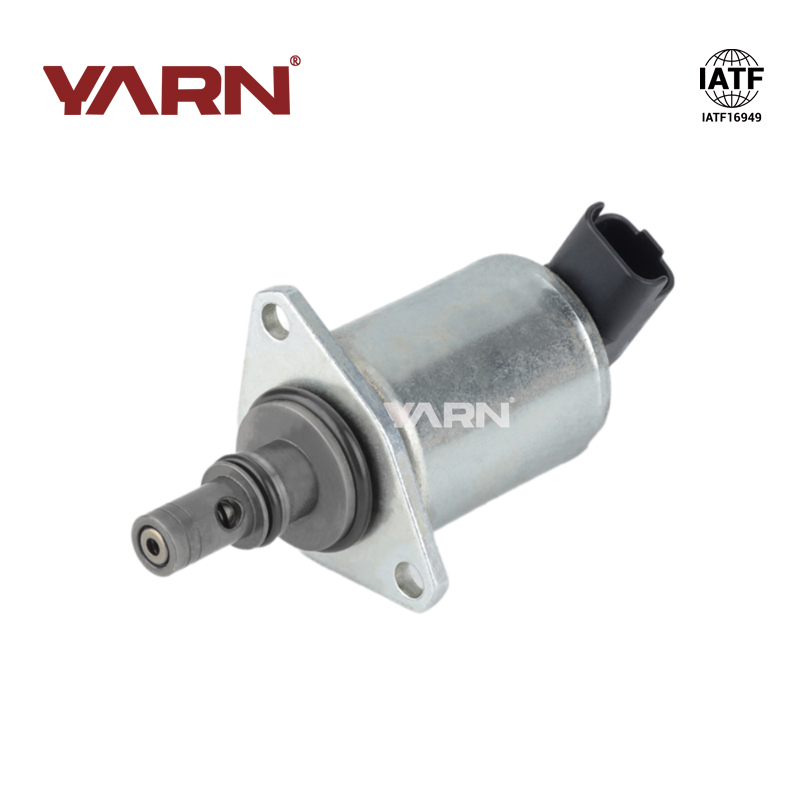
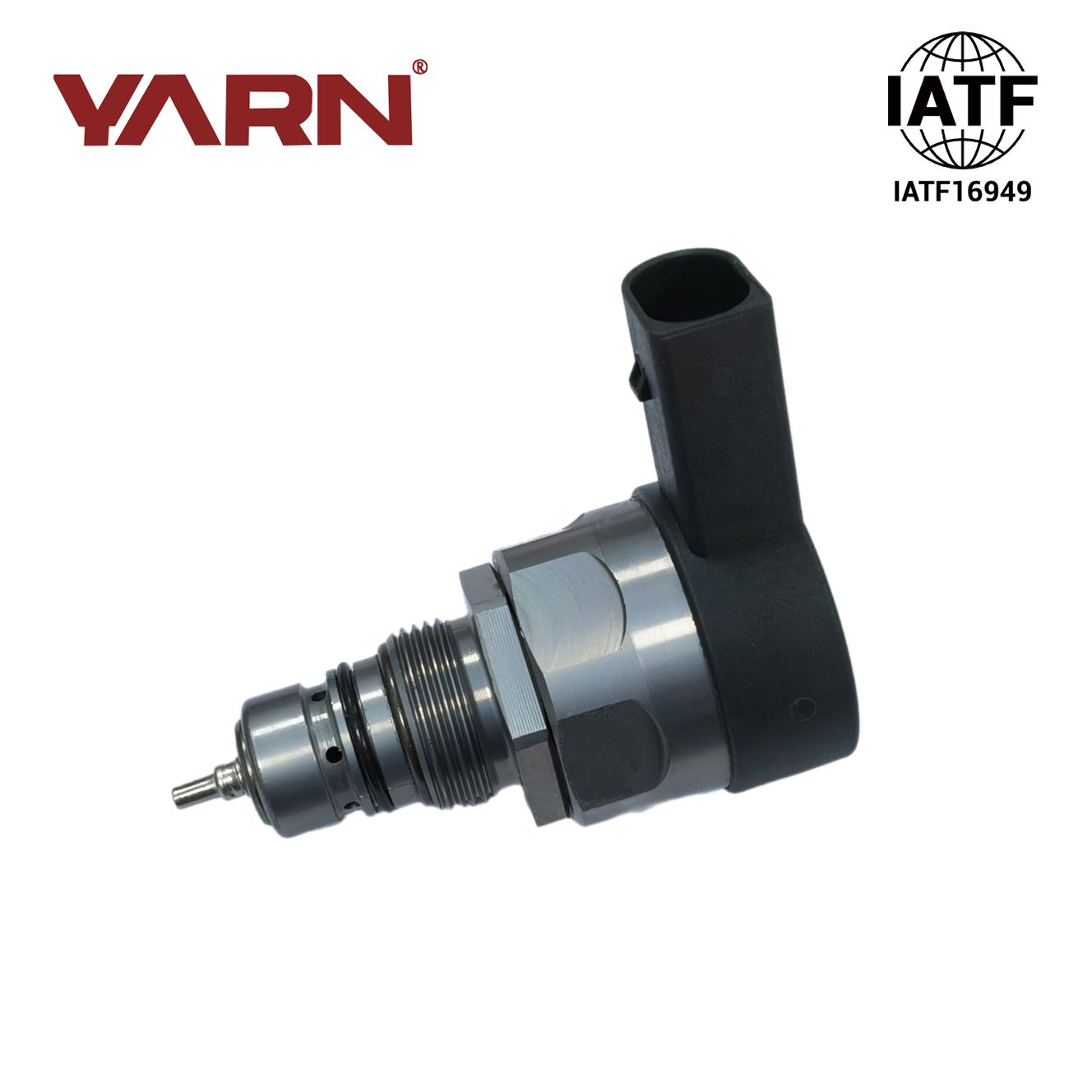
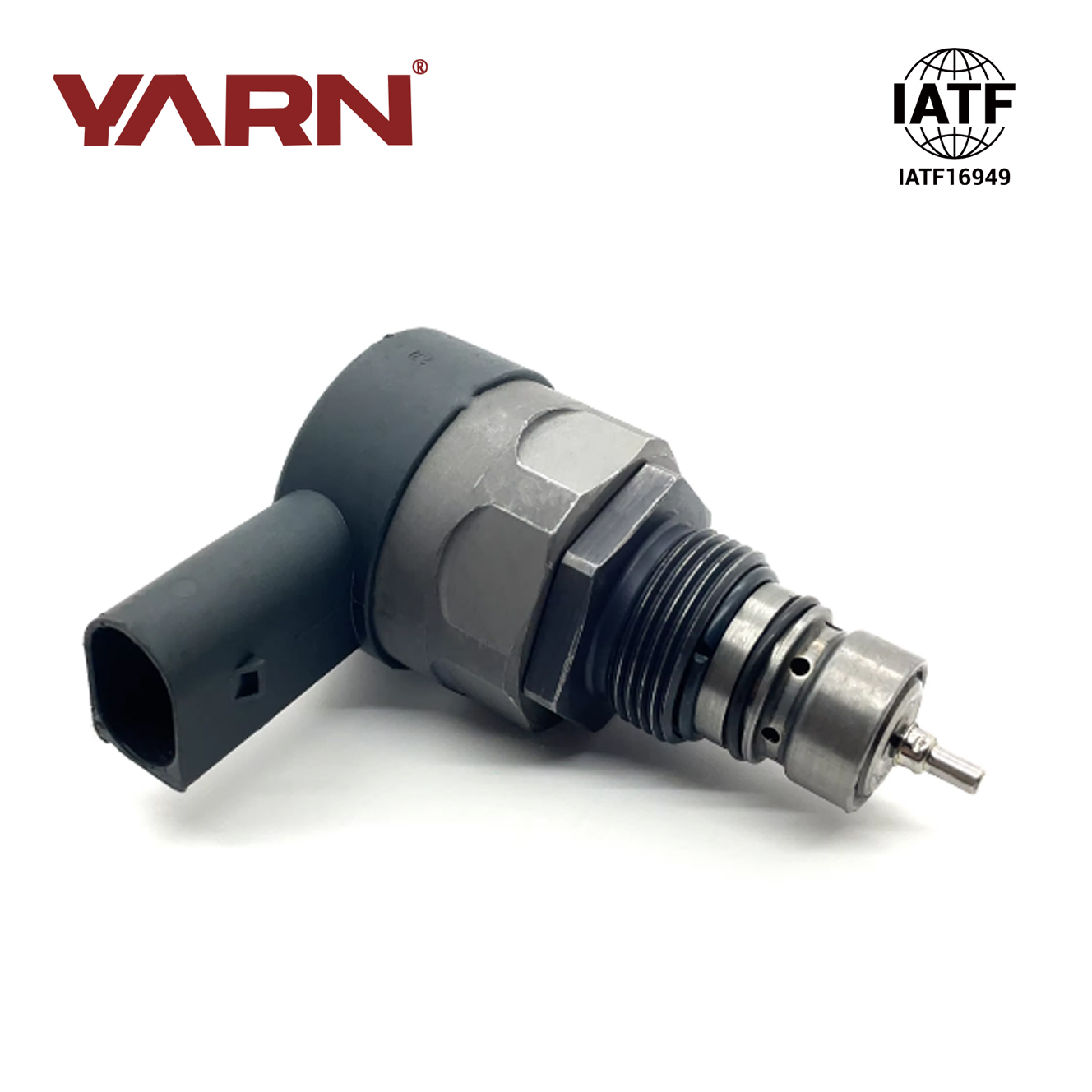
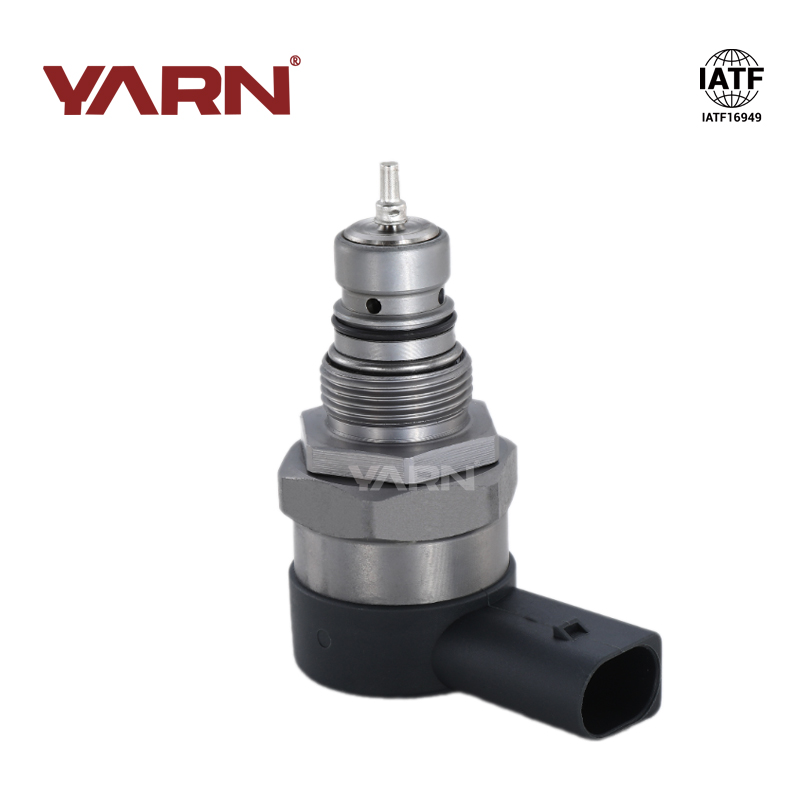
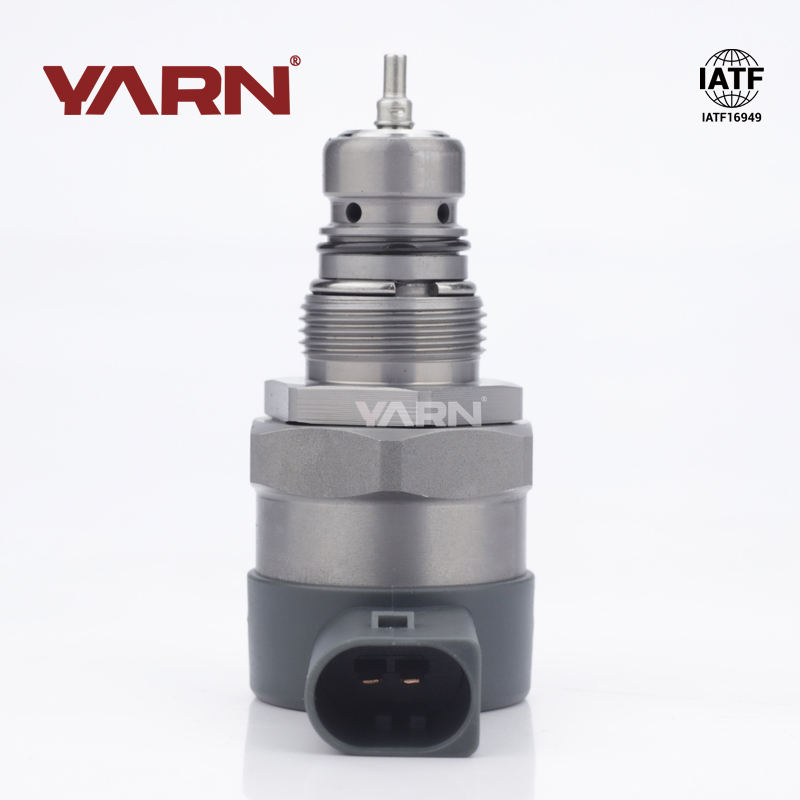
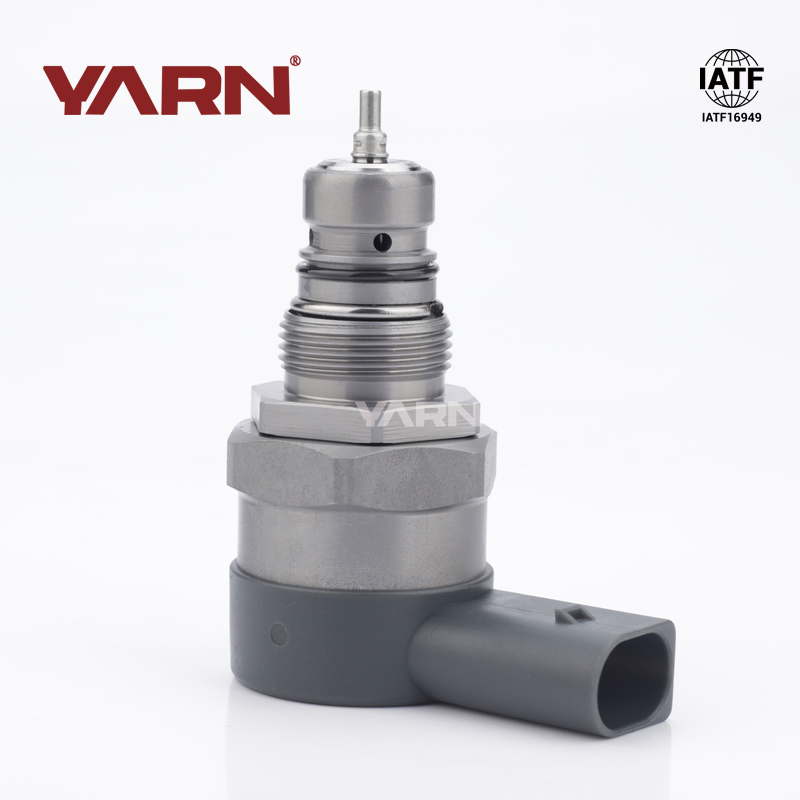
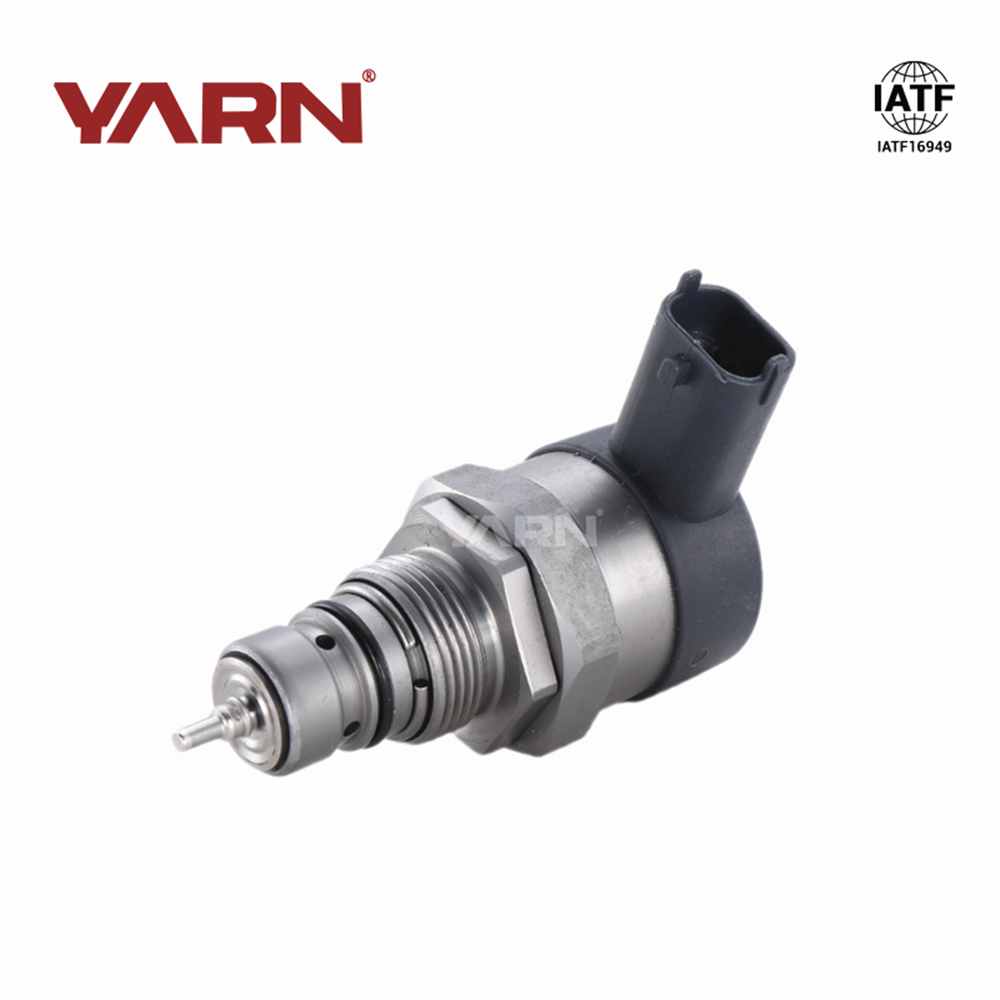
Private label:Support
Warranty:12 Months
Packing:Natural Box or Color Box
Suits for Pump/Rail Number:
CITROËN 9805746880,FORD BK2Q9B395CB ,BK2Q-9B395-CB ,BK2Q9B395BD ,BK2Q-9B395-BD ,BK2Q9358AB ,BK2Q-9358-AB ,BK2Q9358AA ,BK2Q-9358-AA ,1793473 ,1945275 ,1731745 ,1841726 ,2175696 ,PEUGEOT 96 781 718 80,SIEMENS - VDO - Continental 5WS40694 ,5WS40696 ,5WS40697 ,A2C53344441 ,A2C53344443 ,A2C59517045
FAQ:
Q1: Are you trading company or manufacturer?
A: We are factory in Rui an City.
Q2: How long is your production time?
A: Normal takes 3-7 days if we have stocks.If no enough stocks,it will takes about 20 days.
Q3: Do you provide samples? is it free or extra?
A: Yes.We offer samples.We charge for sample cost and freight cost.
Q4: What is your terms of payment?
A: Normal T/T payment.
Q5: What is your quality standard?
A: OE quality standard.All valves will test 2 times at least before shipment.Only ship the good
quality.
Q6: Can you produce according to sample or customize product?
A: Yes. We have a professional technical team with pre-sale and after sale service to perform your
request.
Q7: How do you make our business long-term and good relationship?
A: We keep good quality and competitive price to ensure our customers benefit ; We respect every customer
as our friend and we sincerely do business and make friends with them.
Our Advantage:
Excellent Quality Stable and Reliable
1. stable supply chain.
2. Strong relationship with business partners.
3. 90% of the Chinese market, widely acclaimed.
4. Highly efficient team service.
5. Timely
pre-sales and after-sales service.
Professional Factory Focus on product
details:
1. Selected superior imported materials, mature material supply chain.
2. Strict production management according to IATF-16949.
3. Strict quality inspection, 200% quality inspection rate.
4. Exported to more than 30 countries and regions, trusted by customers.
Quality Warranty:
1 year quality guarantee, all products have been tested 2 times before leaving the factory to ensure
stability.
Feedback:
Please share me video and photos to us for after sales.
We would also like to get your suggestions to
improve our products.
If you have any questions or need a quotation, please feel free to contact us. We will reply to your email
or phone call as soon as possible. We look forward to working with you to create a better future.
1. What Is a Volume Control Valve
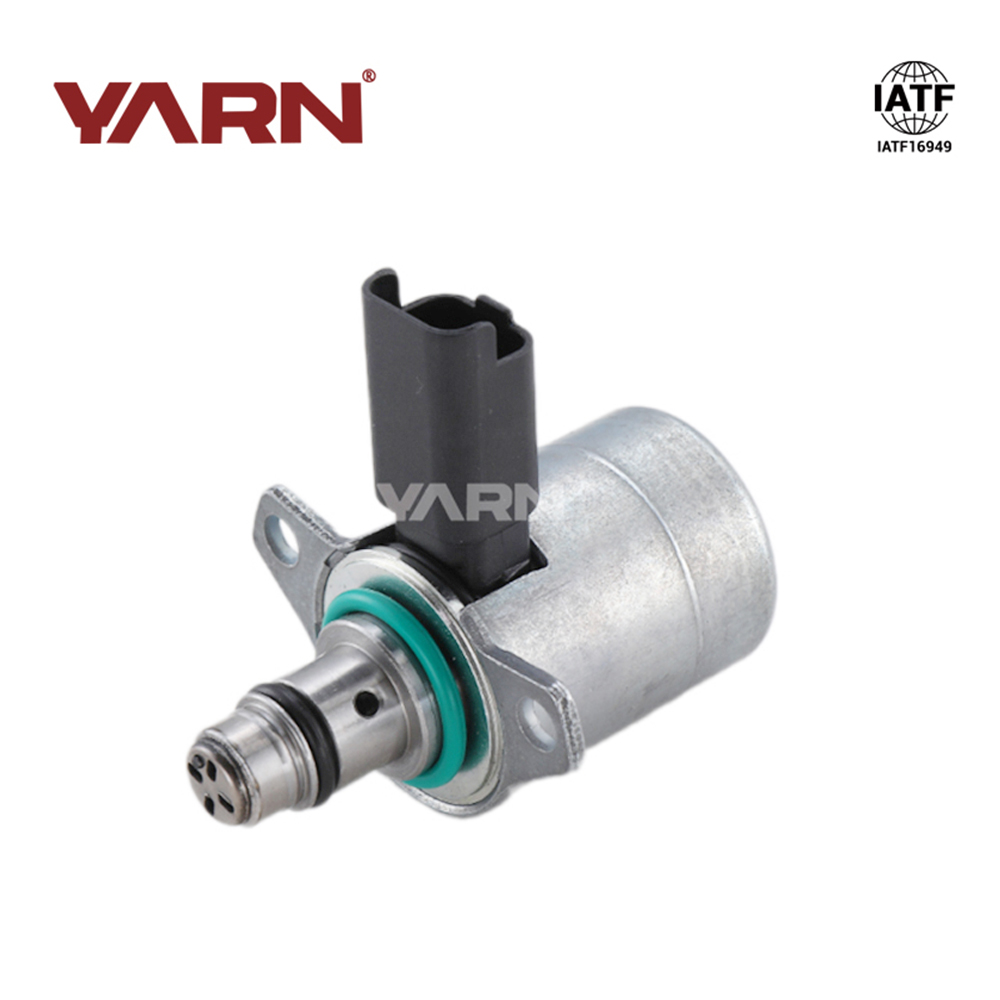
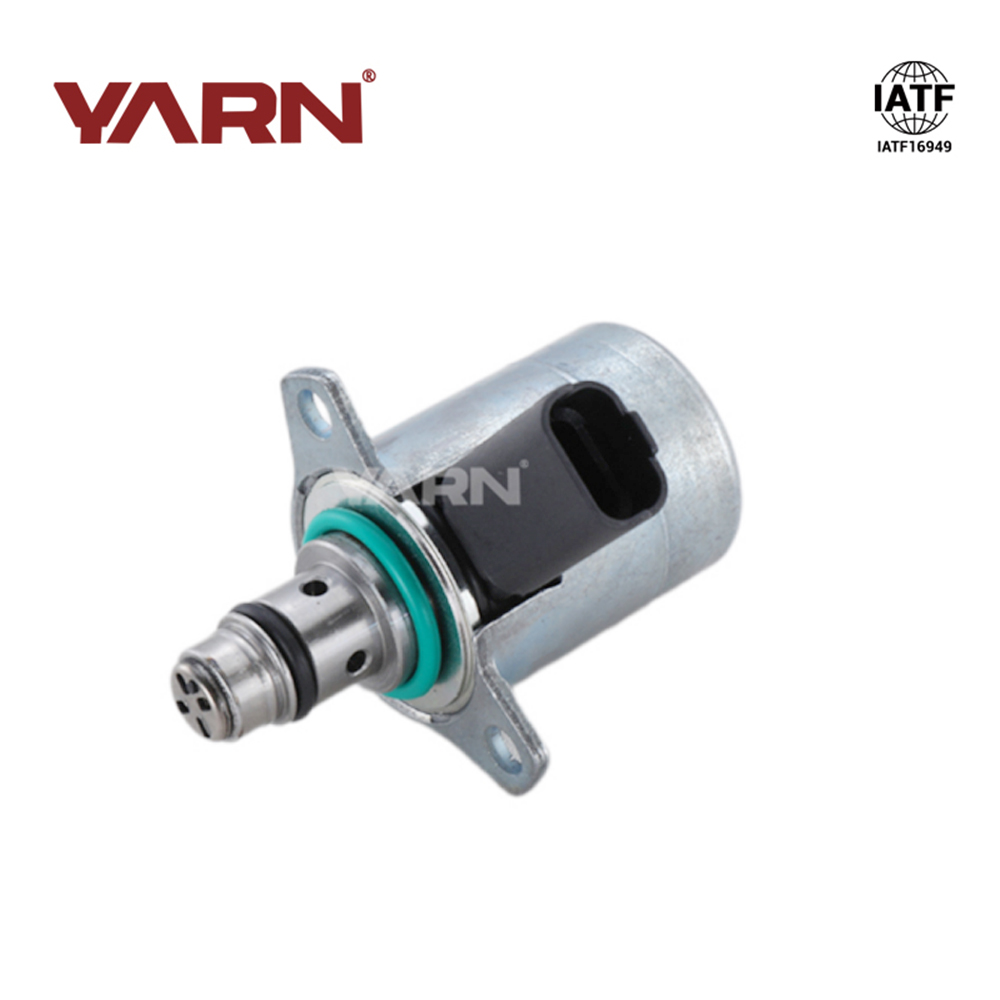
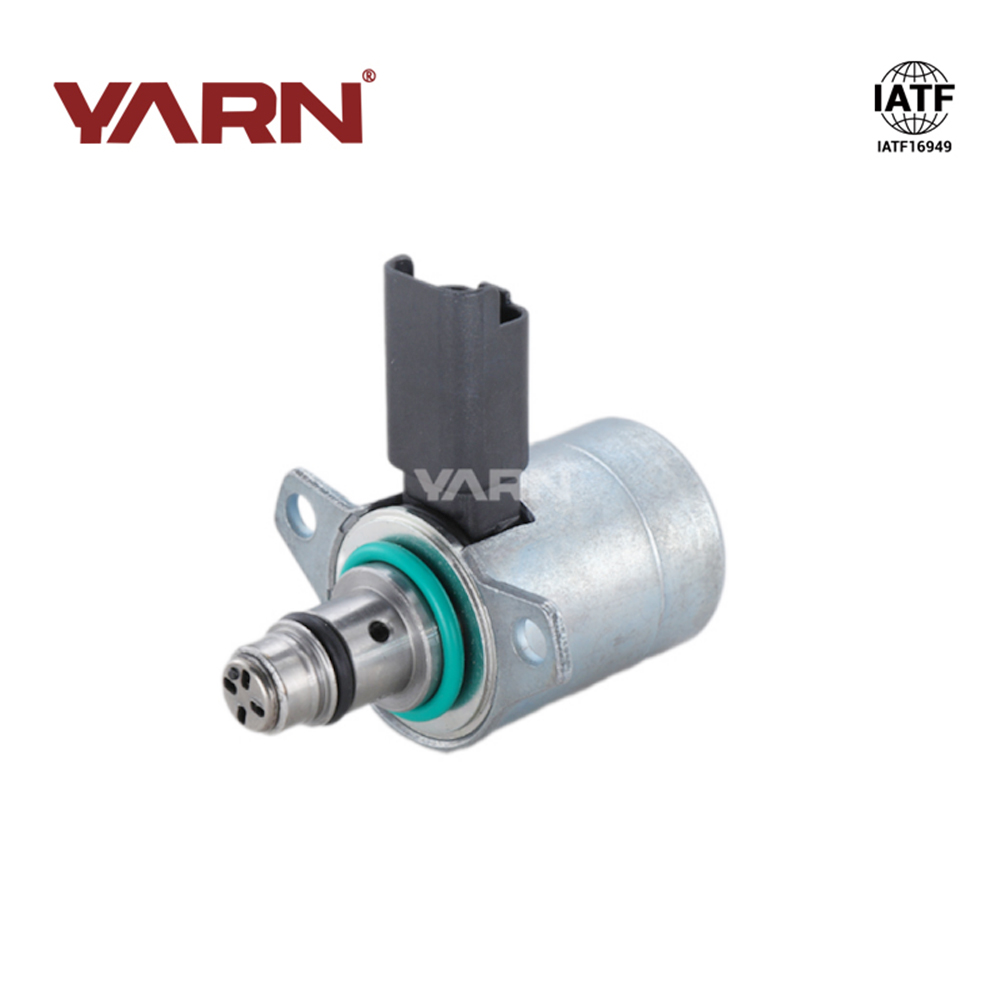
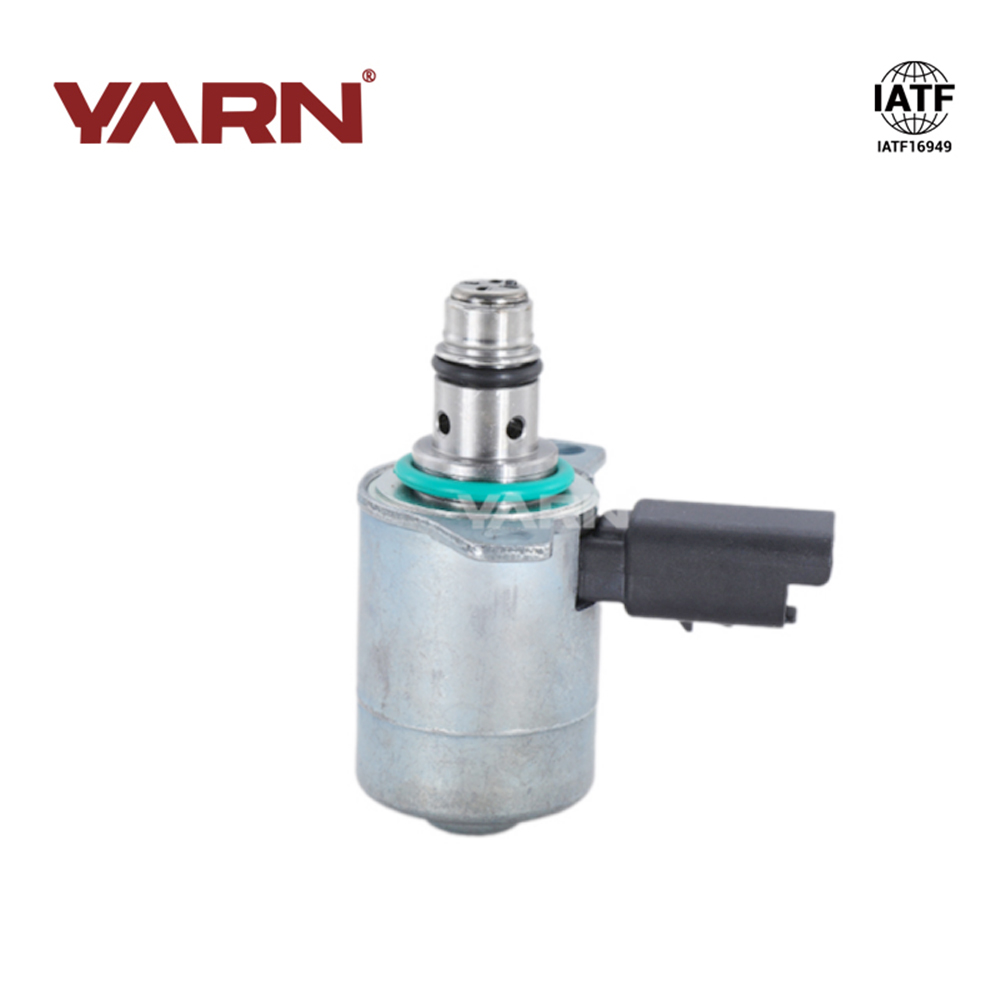
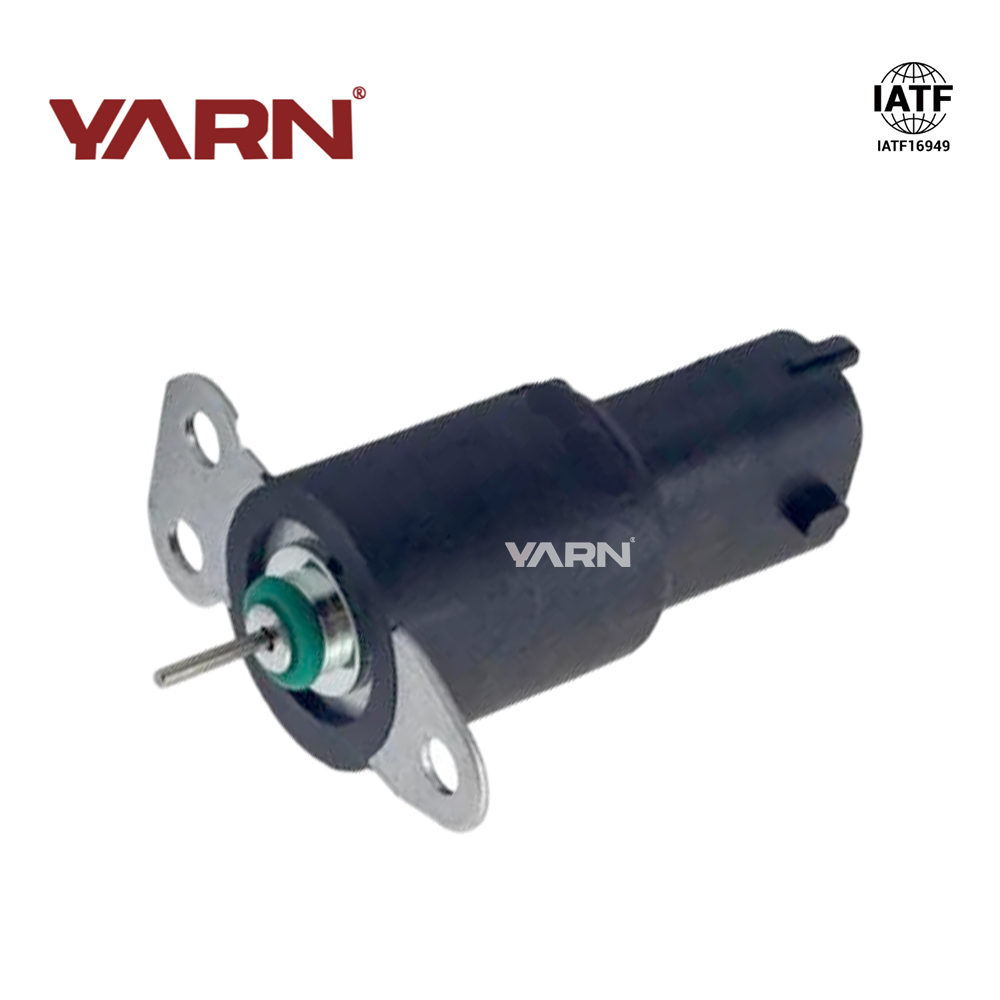
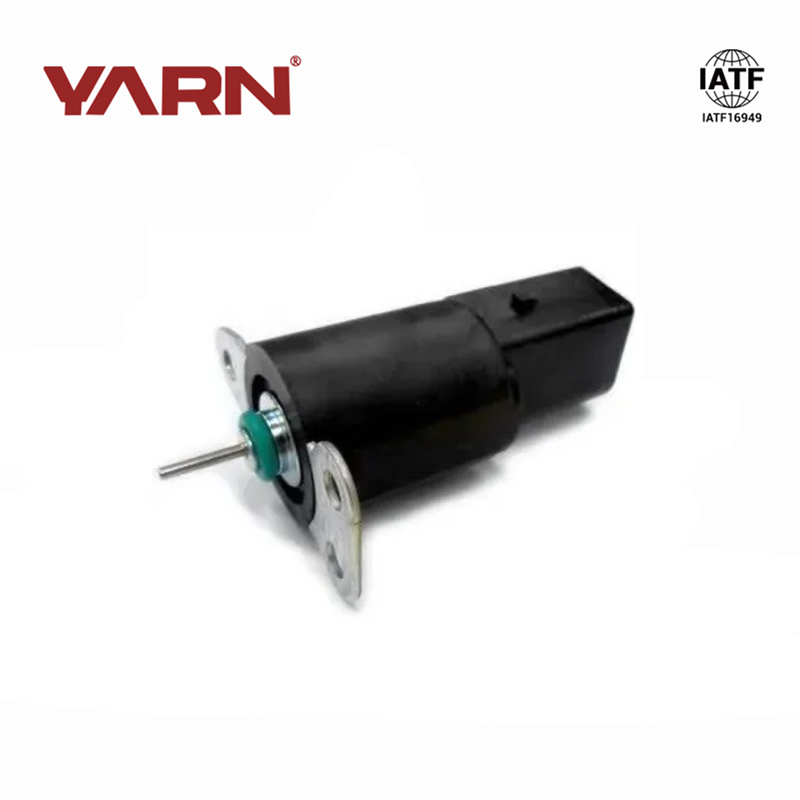
A volume control valve is an electronically actuated proportional valve installed on the inlet or outlet side of a high-pressure fuel pump in common rail systems. It regulates the amount of fuel entering or leaving the pumping chamber, thereby controlling the pump’s output flow and rail pressure. The valve consists of a solenoid, a spring-loaded plunger or spool, and a precision orifice. When the engine control unit sends a varying electrical signal, the valve moves to a position that restricts or enlarges the fuel passage. This allows the system to deliver exactly the fuel volume required by the engine, avoiding waste. Unlike a simple on/off valve, a volume control valve provides continuous, stepless flow adjustment for efficient and precise pressure management.
2. Why the Volume Control Valve Matters
The volume control valve is crucial because it directly determines rail pressure accuracy and overall pump efficiency. By metering the fuel volume before compression, it eliminates the energy loss associated with compressing and then dumping excess fuel. This reduces parasitic load on the engine, improving fuel economy. The valve’s fast and precise response enables stable rail pressure during rapid load changes, ensuring correct injection quantities, lower emissions, and smooth engine operation. Moreover, most volume control valves are designed to fail in a safe mode—normally open or normally closed depending on the system—so that the engine can continue running in limp‑home mode if electrical power is lost, preventing sudden vehicle shutdown.
3. Common Product Types by Volume Control Valve
Volume control valves are classified by their hydraulic design and fail‑safe behavior. The most common type is the normally open valve, where maximum flow is allowed when de‑energized; increasing electrical current reduces flow. This provides limp‑home capability. Normally closed valves (flow blocked when de‑energized) are used in other system architectures. By internal mechanism: poppet‑type valves offer excellent sealing and are compact, while spool‑type valves provide better linearity and higher flow capacity. Some advanced valves include an integrated position sensor for closed‑loop control. They also differ by flow rating (low for passenger cars, high for heavy‑duty), mounting style (direct screw‑in or cartridge), and control signal type (analog current or PWM).
4. Key Advantages of Volume Control Valve
Key advantages include improved fuel efficiency, precise pressure control, reduced fuel heating, and system protection. By avoiding unnecessary compression work, the valve lowers pumping losses and cools the fuel, extending component life. Its proportional characteristic allows the engine control unit to shape rail pressure profiles for pilot injection, reducing combustion noise and raw emissions. The normally open design ensures that even in case of electrical failure, the engine receives enough fuel for limited operation. Additionally, the valve’s current consumption and response time can be monitored for diagnostics, detecting sticking or wear early. The compact, pump‑integrated construction eliminates external pipes and potential leak points, simplifying engine layout and improving reliability.
5. Volume Control Valve Machine Structure and Core Stations
The structure includes a solenoid coil, a ferromagnetic housing, a movable armature connected to a metering spool or poppet, a return spring, a precision valve seat, and an inlet filter screen. Core manufacturing stations are: coil winding and overmolding for insulation; armature and seat lapping to achieve a leak‑tight seal; spring calibration; laser welding of the armature tube to the housing; flow calibration where the valve is tested with oil to map flow versus electrical command; leakage test using pressure decay; and final functional verification including response time and hysteresis. Each station ensures the valve meets stringent durability and performance requirements for high‑pressure fuel systems.
_092302.png)