
The Suction Control Valve (SCV), also known as Fuel Metering Valve or Inlet Metering Valve (IMV) in some diesel systems, is a key component installed on the high-pressure fuel pump of a Common Rail system.
Its main function is to precisely control the amount of fuel entering the high-pressure pump according to engine demand.
By regulating fuel supply to the pump, the SCV helps maintain stable rail pressure, ensuring that diesel injectors can deliver the correct amount of fuel at the right timing.
A properly working SCV plays an important role in:
Stable engine performance
Accurate fuel injection control
Improved fuel efficiency
Reduced emissions
Reliable diesel system operation
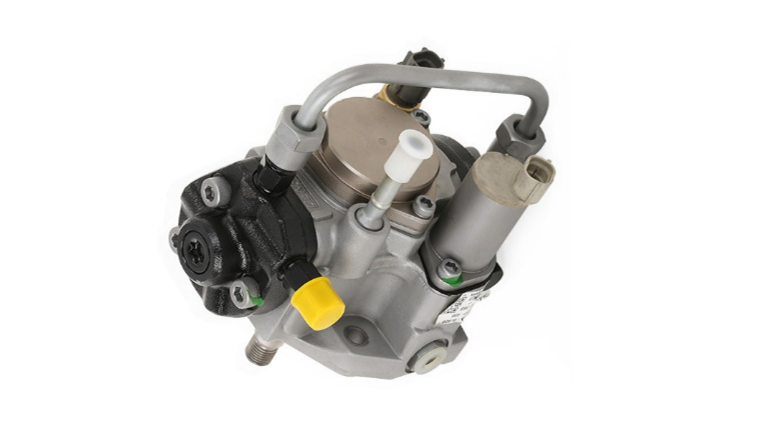
In a Common Rail diesel system, the high-pressure pump continuously compresses fuel and supplies it to the common rail.
However, the high-pressure pump does not always need the same amount of fuel. The required fuel quantity changes depending on:
Engine speed
Engine load
Driving conditions
ECU commands
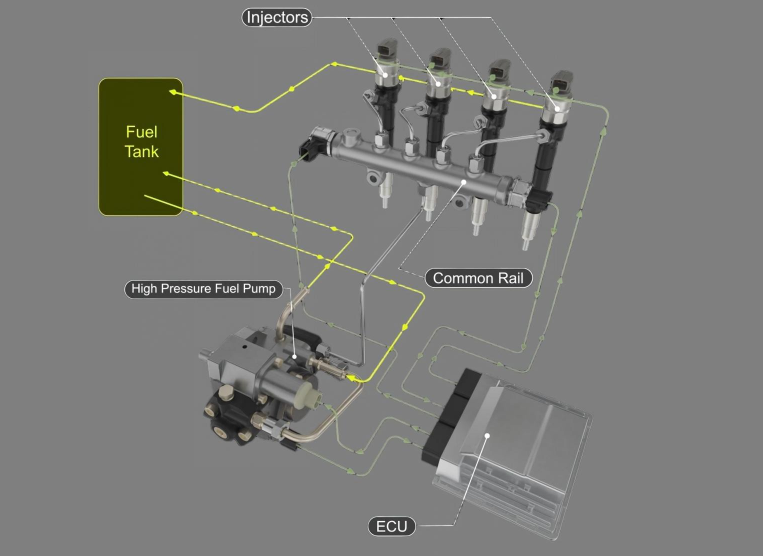
The SCV receives electronic signals from the engine control unit (ECU) and adjusts the opening position of the valve.
When more fuel is required:
The SCV opens further, allowing more fuel to enter the high-pressure pump.
When less fuel is required:
The SCV reduces fuel supply to prevent excessive pressure inside the fuel system.
Through this precise fuel metering process, the Common Rail system can maintain the required fuel pressure under different operating conditions.
Modern diesel engines require extremely accurate fuel pressure control.
Even a small deviation in fuel supply can affect:
Engine starting performance
Idle stability
Acceleration response
Fuel consumption
Exhaust emissions
A high-quality SCV ensures smooth fuel pressure adjustment and helps the entire Common Rail system operate efficiently.
For diesel vehicles, construction machinery, agricultural equipment, and commercial vehicles, SCV reliability directly affects operating efficiency and maintenance costs.
SCVs are widely used in various Common Rail diesel systems, including:
Passenger diesel vehicles
Commercial trucks
Agricultural machinery
Construction equipment
Industrial diesel engines
Different fuel systems may use different SCV designs depending on the high-pressure pump model and application requirements.
Common applications include:
Bosch Common Rail systems
DENSO Common Rail systems
Delphi Common Rail systems
Other diesel fuel injection systems
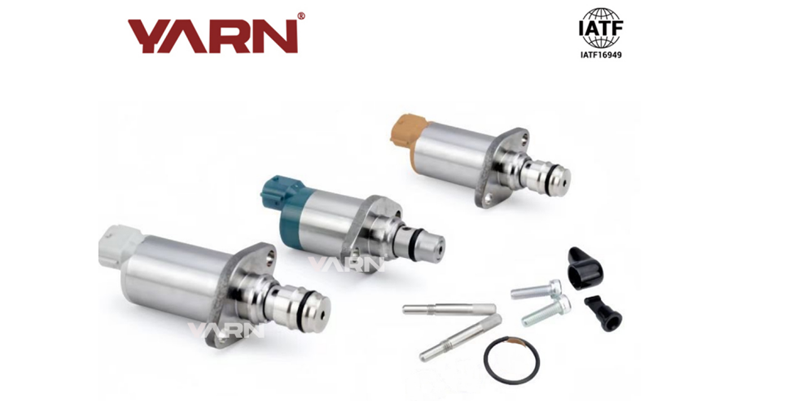
When an SCV becomes worn or damaged, fuel pressure control may become unstable.
Common symptoms include:
The engine may require longer cranking time because the fuel rail cannot quickly reach the required pressure.
Incorrect fuel metering may cause engine vibration or unstable idle speed.
Insufficient fuel supply control may affect engine power response.
The ECU may detect abnormal rail pressure and trigger fault codes.
Incorrect fuel control may reduce combustion efficiency.
At YARN, we focus on diesel fuel system components and aftermarket solutions.
With more than 10 years of experience in fuel control valves and diesel system components, YARN provides reliable replacement solutions for global aftermarket customers.
Our SCV products are developed with attention to:
Accurate valve movement ensures stable fuel metering and pressure control.
Every valve is tested before shipment to ensure consistent performance.
YARN offers a large range of SCV / IMV / Fuel Metering Valve models covering popular Common Rail applications.
We support distributors, wholesalers, and diesel specialists with competitive solutions, stable supply, and professional technical support.
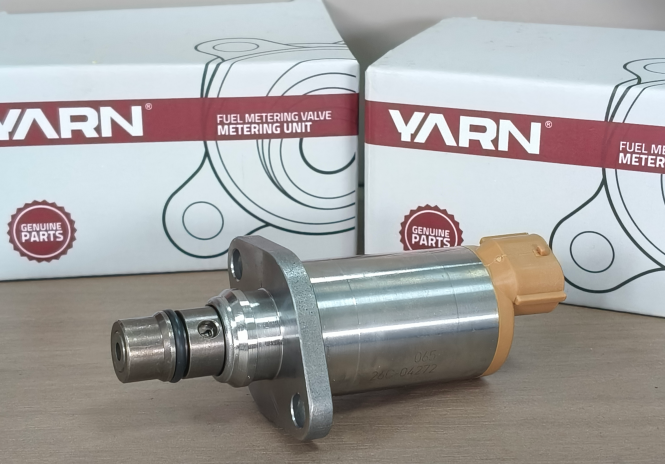
The Common Rail Suction Control Valve (SCV) is a small but critical component inside modern diesel fuel systems.
Although its size is compact, its function directly influences fuel pressure control, engine performance, and fuel efficiency.
Choosing a reliable SCV supplier helps aftermarket customers provide better repair solutions and improve customer satisfaction.
YARN continues to develop high-quality diesel fuel system components, helping global partners maintain reliable diesel engines.
Previoussss:Common Rail Pressure Relief Valve Function and Importance
Next:NO!