
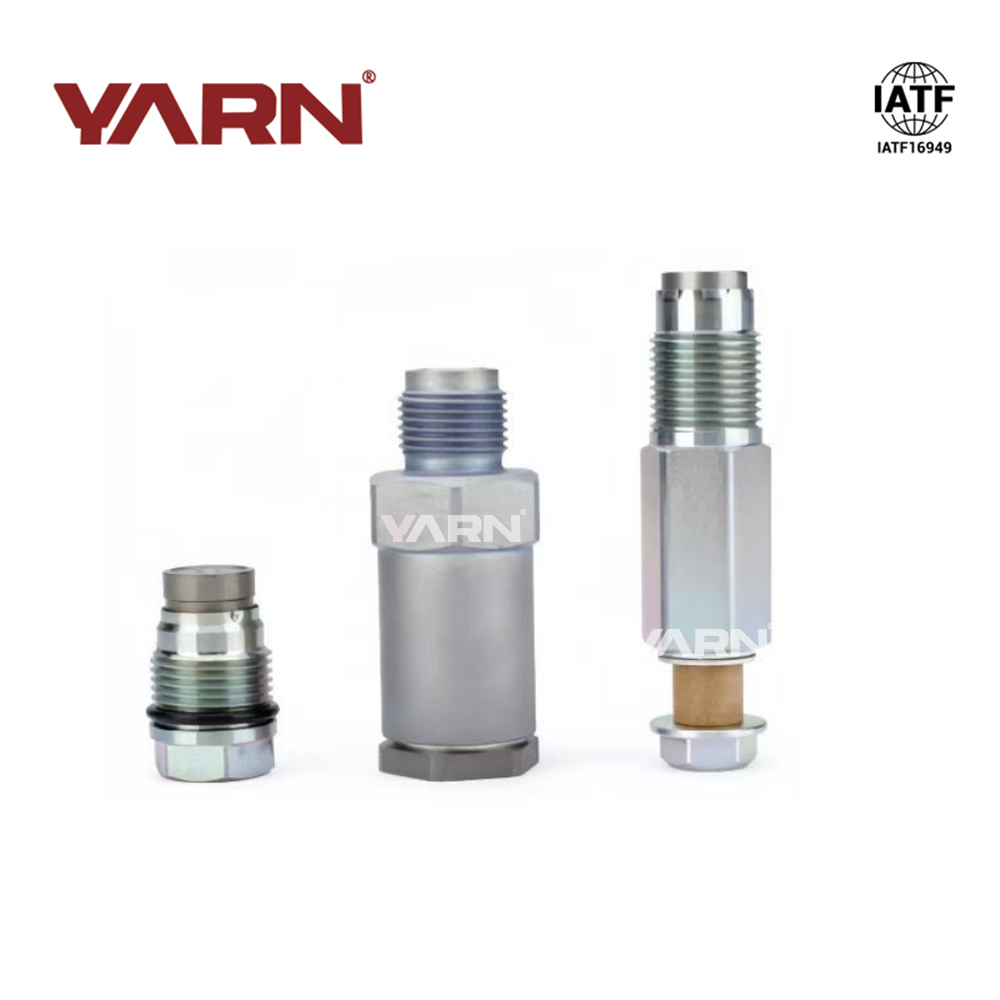
The Common Rail Pressure Relief Valve is an important safety and control component in modern diesel common rail fuel systems. Its main function is to protect the fuel system from excessive pressure by releasing fuel when the pressure inside the common rail exceeds the designed limit.
In high-pressure diesel systems, fuel pressure can reach extremely high levels. Without a reliable pressure relief mechanism, components such as injectors, fuel pumps, and the common rail itself may be damaged. Therefore, the pressure relief valve acts as a critical safety protection device in the entire fuel system.
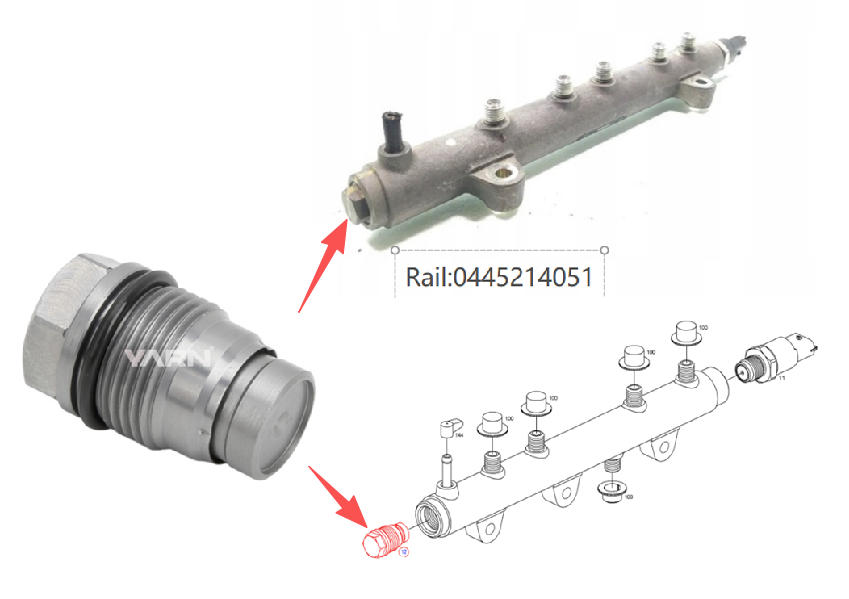
It is typically installed directly on the common rail or high-pressure fuel system and operates under extreme pressure and temperature conditions.
Modern diesel engines require very precise fuel pressure control. However, under certain conditions such as sudden load changes, injector faults, or ECU control errors, rail pressure may rise beyond safe limits.
The pressure relief valve ensures:
Protection of the common rail system
Prevention of overpressure damage
Stable fuel system operation
Improved engine safety and durability
Reduced risk of injector failure
In short, it is the “safety guard” of the high-pressure fuel system.
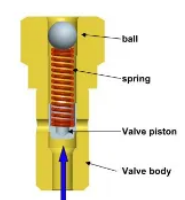
The pressure relief valve operates using a mechanical spring-loaded design.
When fuel pressure inside the common rail increases to a preset level:
The pressure pushes against the internal valve mechanism
Once the pressure exceeds the safety threshold, the valve opens automatically
Excess fuel is released back to the return line
System pressure drops back to a safe operating level
The valve closes again when pressure stabilizes
This automatic regulation ensures that the fuel system remains within safe operating limits at all times.
A malfunctioning pressure relief valve can significantly affect engine performance.
If the valve leaks internally, fuel rail pressure cannot build up properly during engine start.
Continuous pressure leakage may reduce injection pressure, causing poor performance.
Fluctuating rail pressure leads to unstable engine operation.
Excessive fuel returning to the tank is a common sign of valve failure.
Dirty diesel fuel can cause internal wear or sticking.
Continuous exposure to extreme pressure leads to mechanical fatigue.
Over time, internal spring tension may degrade.
Blocked filters or dirty fuel systems increase stress on the valve.
Compare actual rail pressure with ECU target pressure.
Excessive return flow often indicates internal leakage.
Check for pressure-related fault codes and real-time pressure data.
Look for fuel leakage, damage, or contamination around the valve area.
Replacement is recommended when:
Fuel rail pressure cannot be maintained
Engine shows repeated pressure-related fault codes
Excessive fuel return is detected
Internal leakage is confirmed
Engine performance becomes unstable
Using a high-quality replacement valve is essential to ensure system safety and reliability.
YARN is a professional manufacturer specializing in fuel system components including fuel pressure control valves, IMV valves, and rail pressure sensors.
Over 10 years of manufacturing experience
IATF 16949 certified production system
200% testing before shipment
1,000+ models covering Bosch, Denso, Delphi, VDO systems
High durability and precision engineering
Private label support
Strong aftermarket supply capability
Each YARN pressure relief valve is engineered to ensure stable performance and reliable protection under extreme diesel engine conditions.
Whether you are an importer, distributor, or aftermarket brand, YARN provides professional-grade common rail pressure relief valves designed for global markets.
We focus on quality consistency, long-term cooperation, and stable supply for diesel fuel system components.
Contact YARN to learn more about our fuel system product range.