
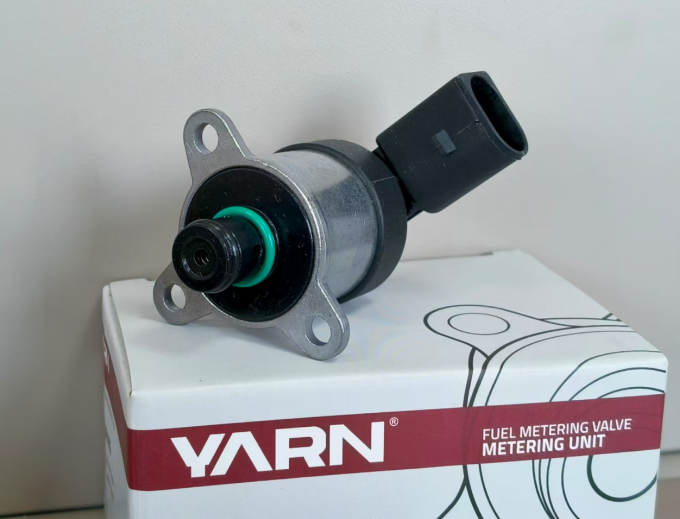
If you’ve been working around modern diesel engines for a while, you know that the high-pressure common rail system is all about balance. And right at the center of that balance is a small but incredibly vital component: the Fuel Metering Valve (FMV) Think of it as the gatekeeper of your high-pressure pump. Instead of letting the pump compress all the fuel and then dumping the excess (which wastes energy and generates massive heat), the fuel metering valve makes sure the pump only takes in exactly what the engine needs for that specific millisecond. It’s the difference between a brute-force system and a smart, efficient machine.
How It Works: The Professional Breakdown
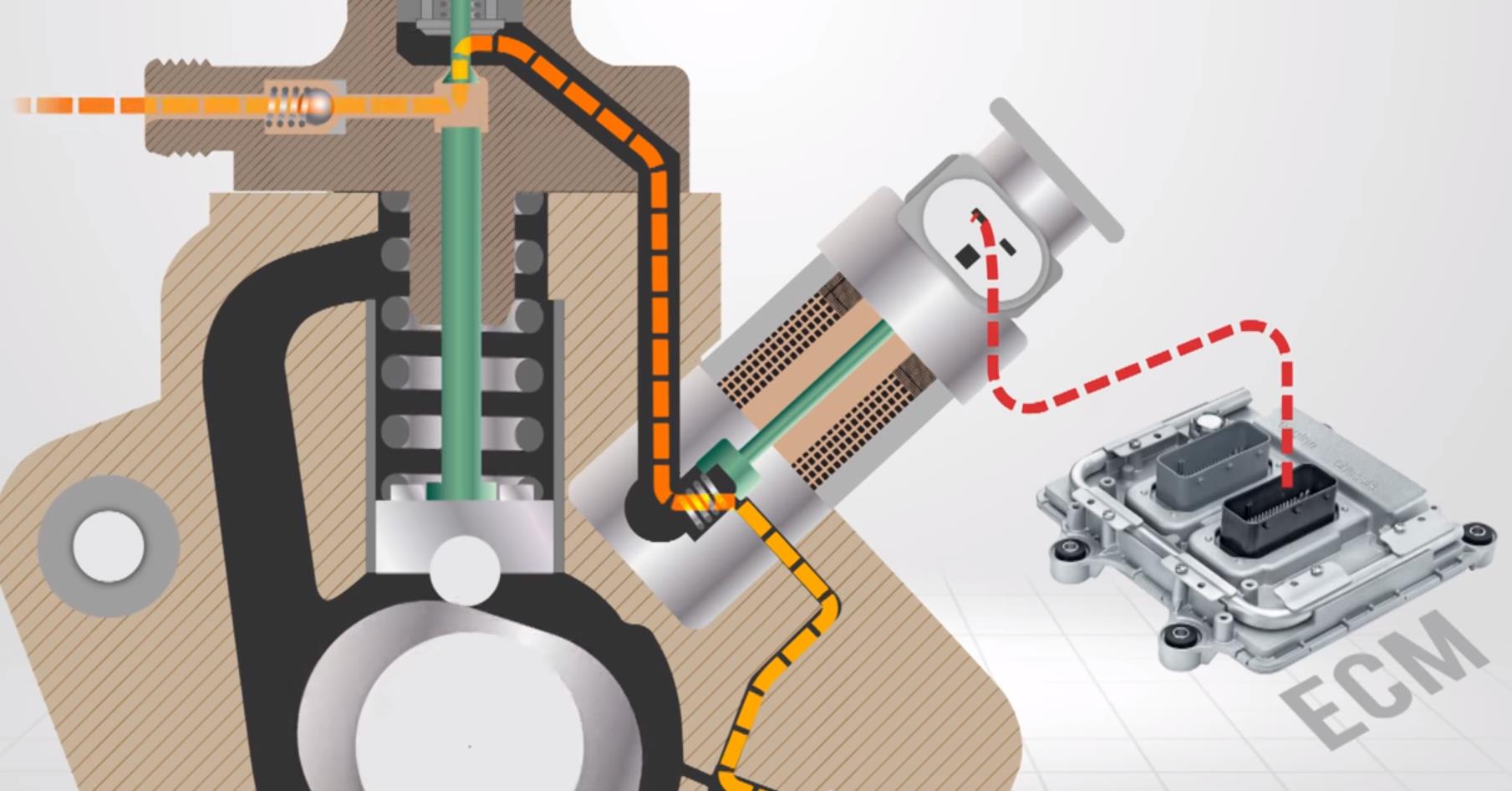
Positioned right at the inlet of the high-pressure pump (like the Bosch CP1H or CP3, for example), the metering valve is an electronically controlled solenoid. Here is how it executes its magic in real-time:
The ECU's Command: The Engine Control Unit (ECU) constantly monitors driver input, engine speed, and rail pressure. It then sends a Pulse Width Modulated (PWM) signal to the valve.
Proportional Opening: The internal valve needle doesn’t just snap fully open or fully closed. Instead, the PWM current creates a precise magnetic force that moves the needle proportionally against a return spring, varying the opening cross-section.
Suction Throttle Control: By restricting or expanding the fuel path leading into the pumping chambers, it throttles the suction side. The pump only compresses the metered amount, lowering the parasitic load on the engine and keeping fuel temperatures under control.
Real-World Diagnostics: Symptoms We See in the Field
As manufacturers and technicians, we know that when an IMV starts acting up, it can be a real headache to diagnose because its symptoms often mimic other fuel system failures. Here is what you should look out for:
Surging or Unstable Idle: If the valve needle sticks slightly due to fuel contamination or microscopic wear, the fuel supply becomes erratic. You will hear the engine "hunt" or surge at idle.
The Dreaded "Limp Home" Mode: When the actual rail pressure deviates too far from the target pressure demanded by the ECU, the vehicle will throw a fault code (like P0002 or P0251) and drop into limp mode to protect the system.
Loss of Power Under Hard Acceleration: If the valve cannot open wide enough due to mechanical restriction, the engine will starve for fuel just when it needs it most, leading to sudden power loss or stalling.
The Engineering Edge: Why Quality Matters Here
We often tell our clients: the Fuel Metering Valve is a component working in a world of micrometers and milliseconds. Because it operates constantly under high-frequency PWM cycles and handles fuels with varying lubricating properties, standard manufacturing just won't cut it. A fraction of a millimeter of wear on the valve internal coating can alter the flow characteristics entirely, resulting in poor fuel mapping and customer complaints. That is why high-quality components utilize specialized hardening heat treatments, micro-finish grinding, and strict electro-magnetic calibration. When you replace or supply an FMV, you aren't just buying a solenoid; you are buying the precise control of thousands of explosions per minute.
-From YARNdiesel company-