
The Unsung Hero of the Fuel Pump
Let's face it—when people talk about common rail diesel performance, they usually rave about the injectors or the mind-blowing fuel rail pressures. But today, we need to talk about the quiet genius sitting on the back of your high-pressure fuel pump: the Suction Control Valve (SCV). If you imagine the high-pressure pump as a hyperactive weightlifter ready to pump fuel to max capacity 24/7, the SCV is the smart coach standing right next to it, pulling the reins. The SCV’s job is simple yet brutal: it chokes the fuel supply before it even enters the pumping chambers. By letting in only the exact amount of fuel required for the current second, it stops the pump from working itself to death and prevents the fuel from turning into a boiling soup.
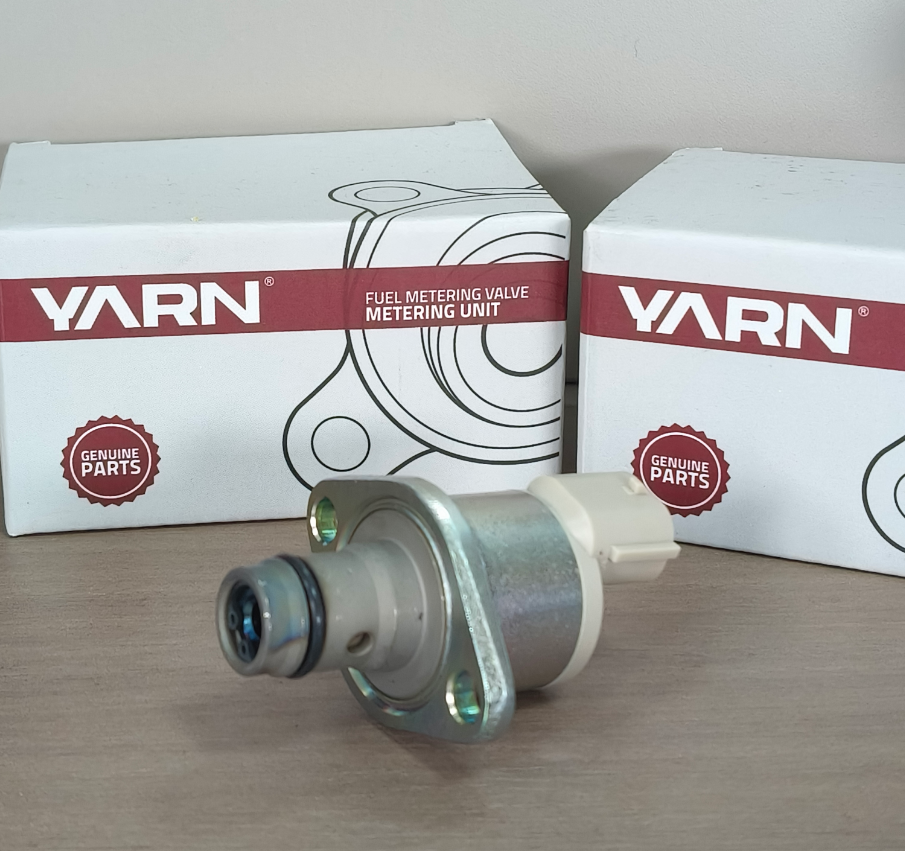
Depending on whether you are driving a Denso-equipped pickup or a Bosch commercial truck, SCVs usually come in two flavors: Normally Open (failsafe to max pressure) or Normally Closed (failsafe to zero pressure). When you step on the gas, here is what actually happens behind the iron curtain:
The Brainwaves: Your ECU reads your right foot's position and calculates the required torque. It translates this into a high-frequency electrical pulse (PWM signal).
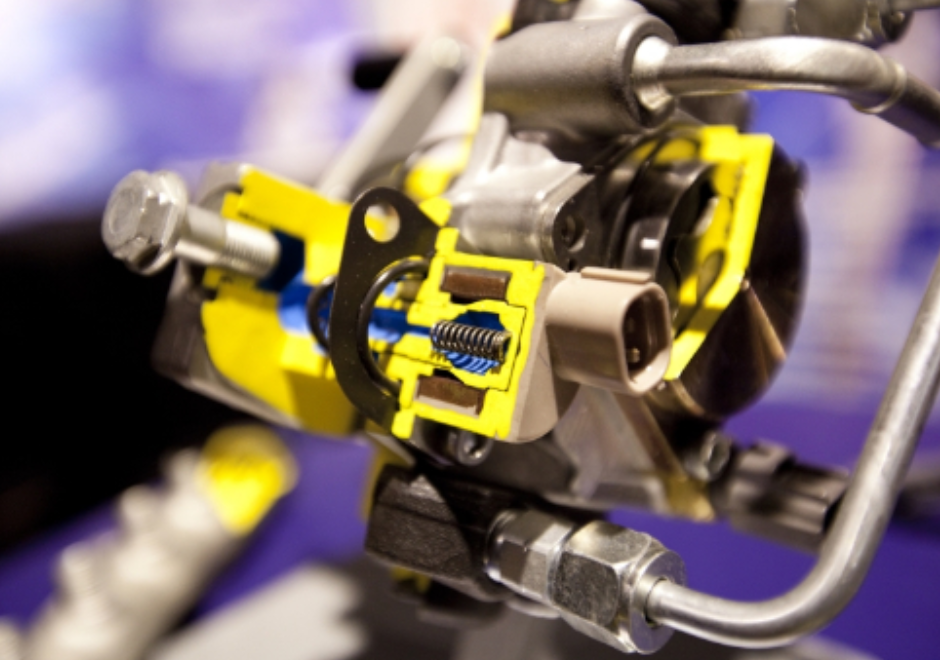
The Magnetic Tug-of-War: This signal feeds into the SCV's internal coil, creating a magnetic field that fights against a calibrated return spring.
The Micro-Throttling: The valve slide moves by fractions of a millimeter. By widening or narrowing the intake port, it limits the volume of diesel the pump elements can suck in during their downward stroke. It’s pure, mechanical gatekeeping at 1,000 hertz.
Because the SCV is constantly swimming in diesel, it is the ultimate canary in the coal mine for fuel quality. If your fuel filter is cheap, or if there is water in the tank, the SCV is usually the first casualty. Here is what a tired or sticking SCV looks like in the real world:
The "Ghost" RPM Fluctuation: You are sitting at a red light, and you notice the tachometer needle is bouncing up and down by 50 to 100 RPM, and the engine sounds like it's breathing heavily. That’s a sticking SCV failing to hold a steady gate position.
The Sudden Sluggishness (The Flat Spot): You press the pedal to accelerate, but for a two-second window, nothing happens. The truck feels lazy, and then suddenly kicks in. This "lag" is often the SCV dragging its feet inside its bore before finally snapping open.
Hard Starts in Severe Weather: Fuel varnishing or microscopic rust can glaze the SCV piston, making it stiff when cold, leading to crank-no-start scenarios that leave drivers stranded.
We often see fleet managers trying to squeeze a few extra bucks by buying dirt-cheap, unbranded SCVs. Here is the technical truth: an SCV’s piston-to-bore clearance is narrower than a single strand of human hair. If the metallurgy isn’t perfect, the heat expansion inside a roasting engine bay will cause the valve to seize entirely. Our SCVs are built using specialized surface treating techniques and proprietary magnetic steel that maintains linear response even when the engine oil temperature is boiling hot. When it comes to common rail control, precision isn't an option—it’s the entire baseline of survival.
-yarndiesel- Kathy