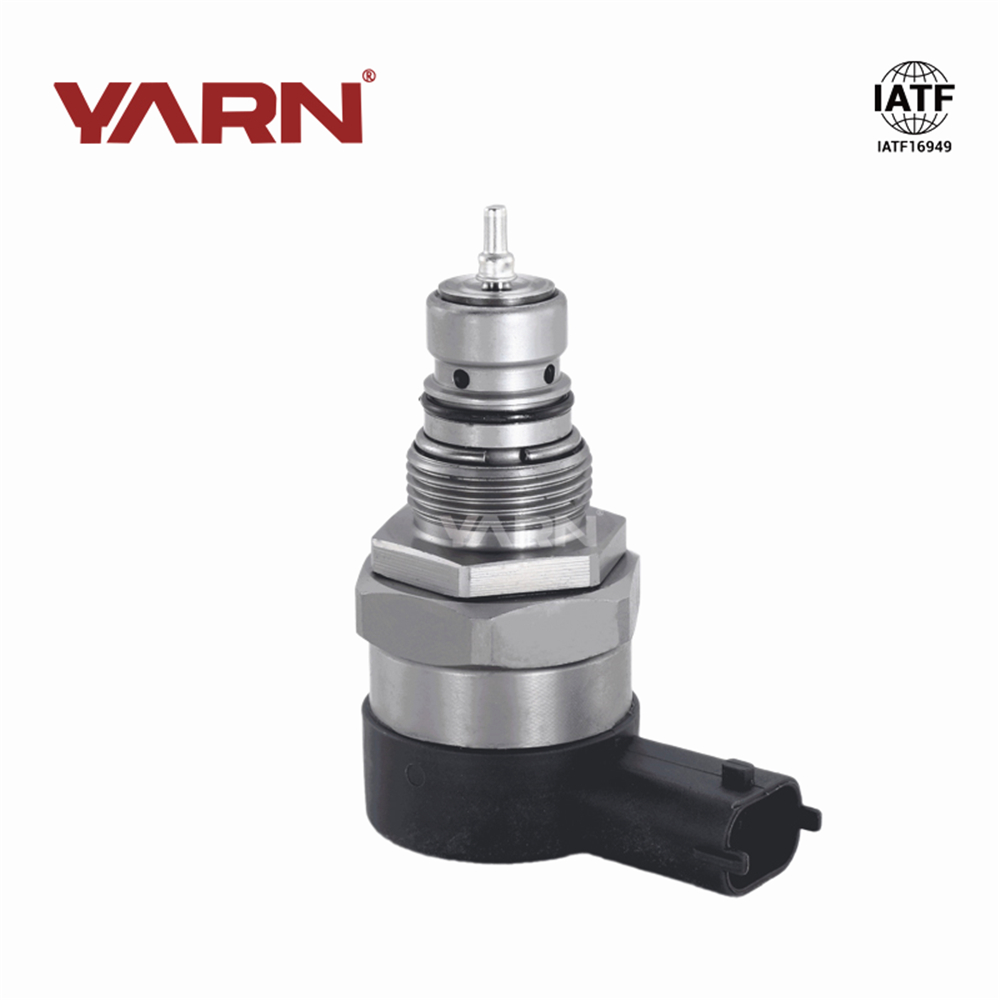
Private label:Support
Warranty:12 Months
Packing:Natural Box or Color Box
Suits for Pump/Rail Number:
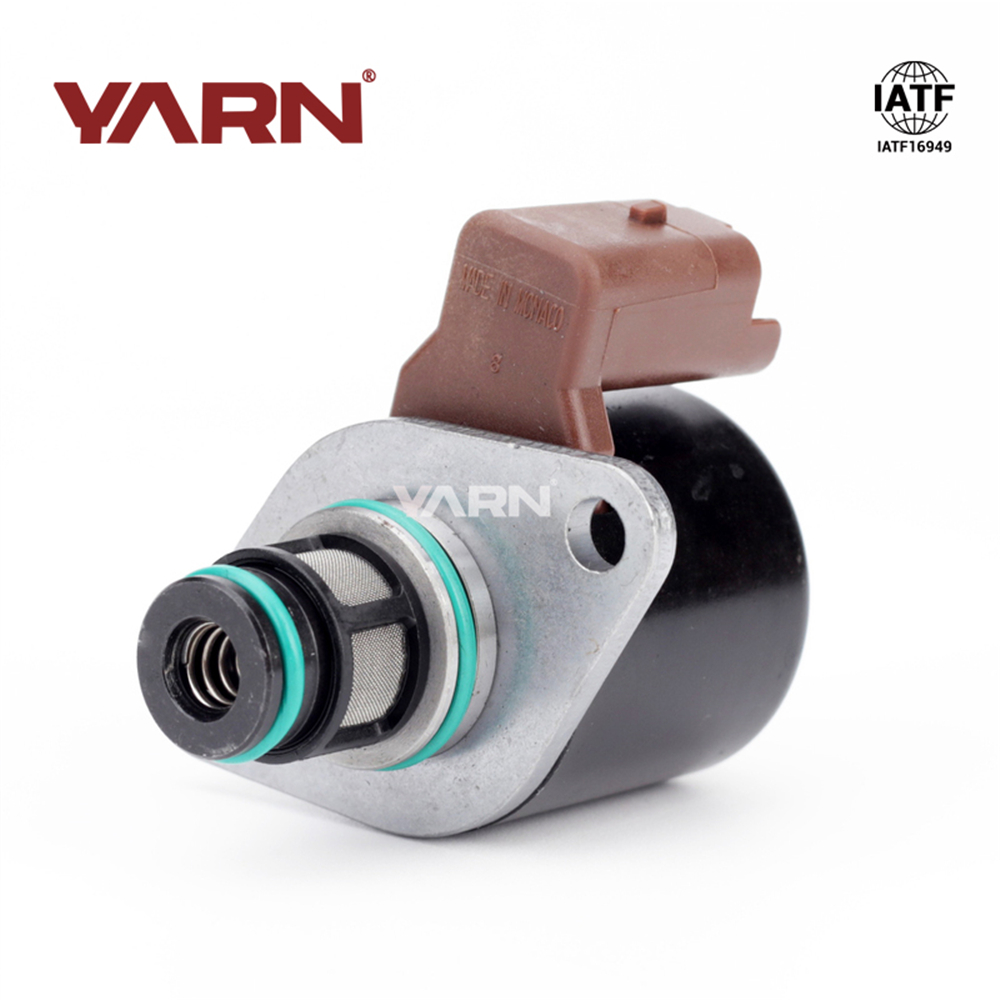
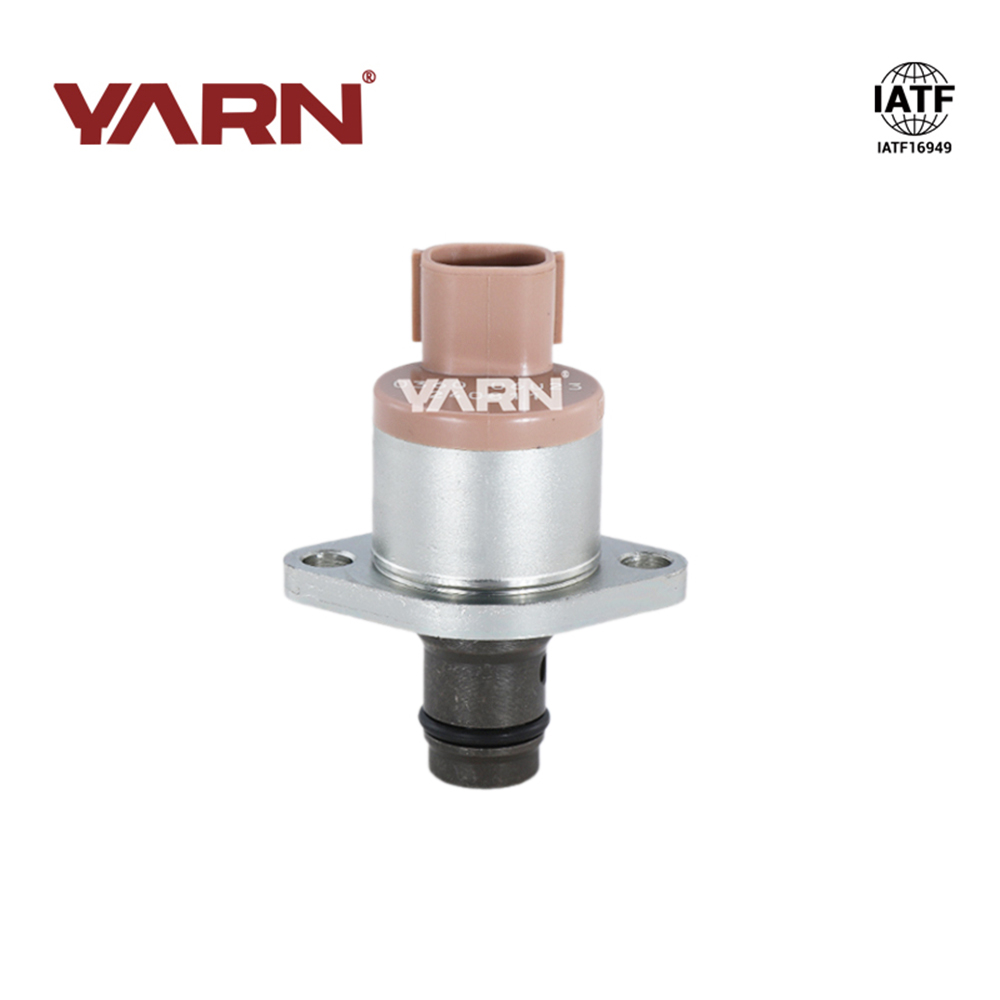
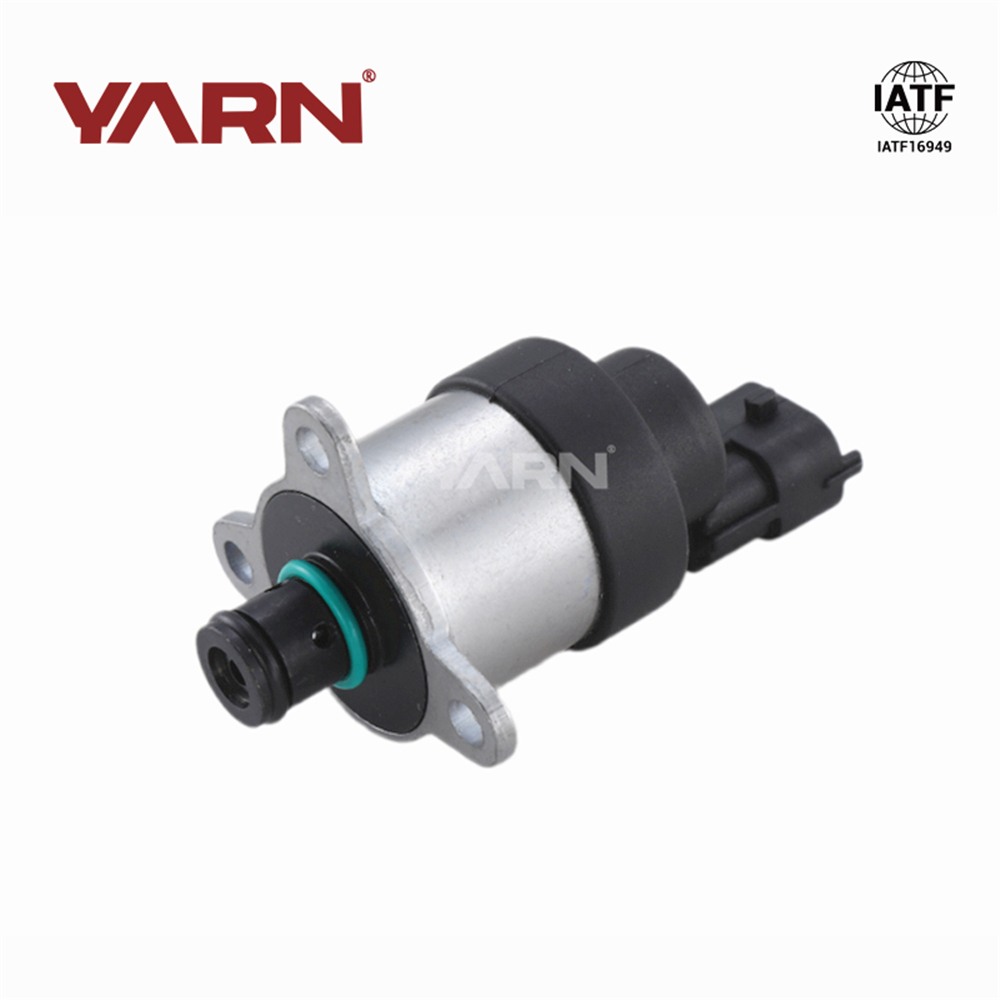
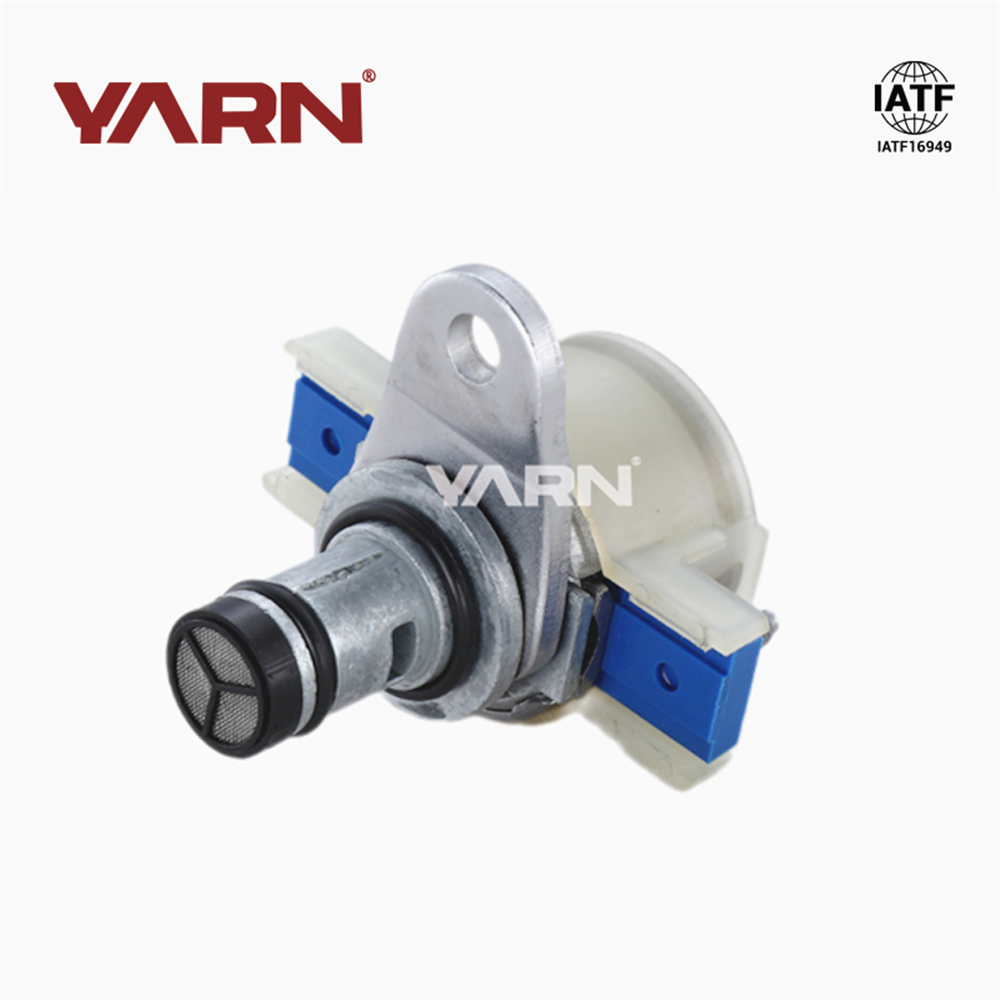
BOSCH 0445214050,0445214051,0445214076,0445214112,0445214121,0 445 214 050,0 445 214 051,0 445 214 076,0 445 214 112,0 445 214 121
FAQ:
Q1: Are you trading company or manufacturer?
A: We are factory in Rui an City.
Q2: How long is your production time?
A: Normal takes 3-7 days if we have stocks.If no enough stocks,it will takes about 20 days.
Q3: Do you provide samples? is it free or extra?
A: Yes.We offer samples.We charge for sample cost and freight cost.
Q4: What is your terms of payment?
A: Normal T/T payment.
Q5: What is your quality standard?
A: OE quality standard.All valves will test 2 times at least before shipment.Only ship the good
quality.
Q6: Can you produce according to sample or customize product?
A: Yes. We have a professional technical team with pre-sale and after sale service to perform your
request.
Q7: How do you make our business long-term and good relationship?
A: We keep good quality and competitive price to ensure our customers benefit ; We respect every customer
as our friend and we sincerely do business and make friends with them.
Our Advantage:
Excellent Quality Stable and Reliable
1. stable supply chain.
2. Strong relationship with business partners.
3. 90% of the Chinese market, widely acclaimed.
4. Highly efficient team service.
5. Timely
pre-sales and after-sales service.
Professional Factory Focus on product
details:
1. Selected superior imported materials, mature material supply chain.
2. Strict production management according to IATF-16949.
3. Strict quality inspection, 200% quality inspection rate.
4. Exported to more than 30 countries and regions, trusted by customers.
Quality Warranty:
1 year quality guarantee, all products have been tested 2 times before leaving the factory to ensure
stability.
Feedback:
Please share me video and photos to us for after sales.
We would also like to get your suggestions to
improve our products.
If you have any questions or need a quotation, please feel free to contact us. We will reply to your email
or phone call as soon as possible. We look forward to working with you to create a better future.
1. What Is a Common Rail Pressure Relief Valve
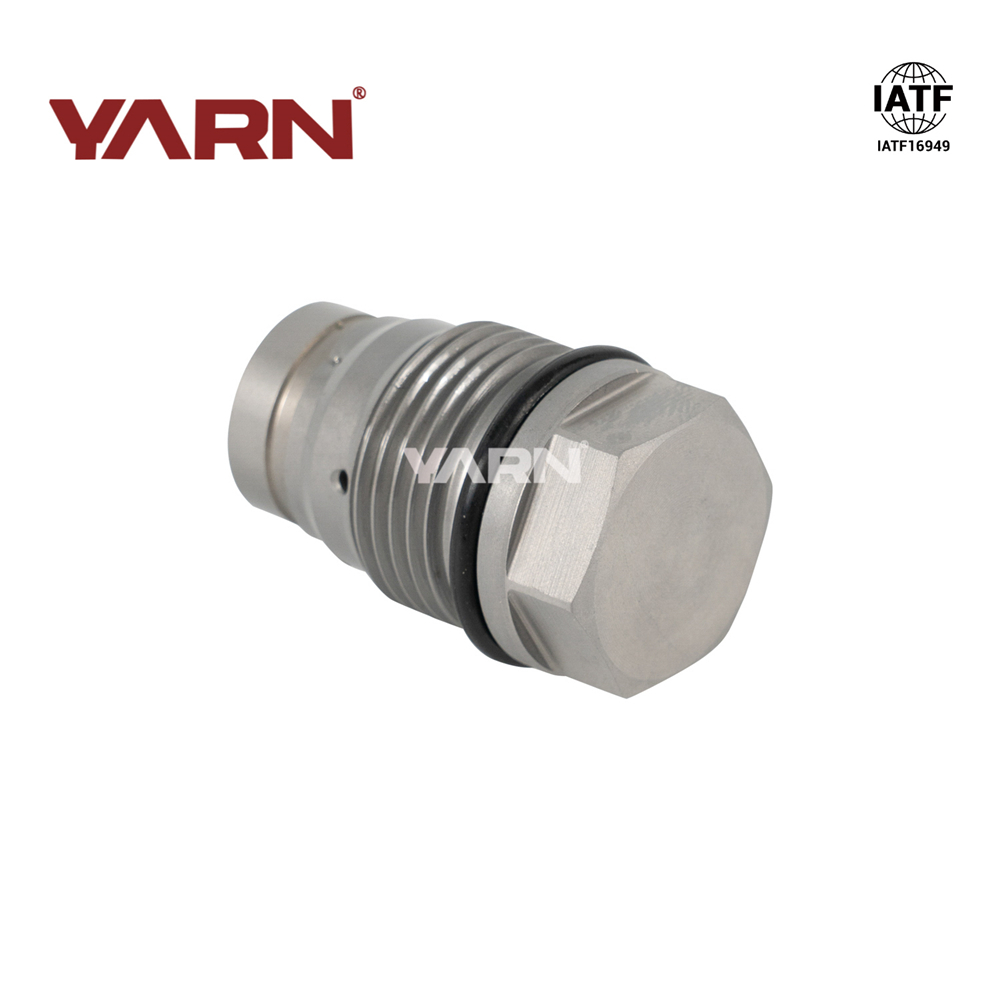
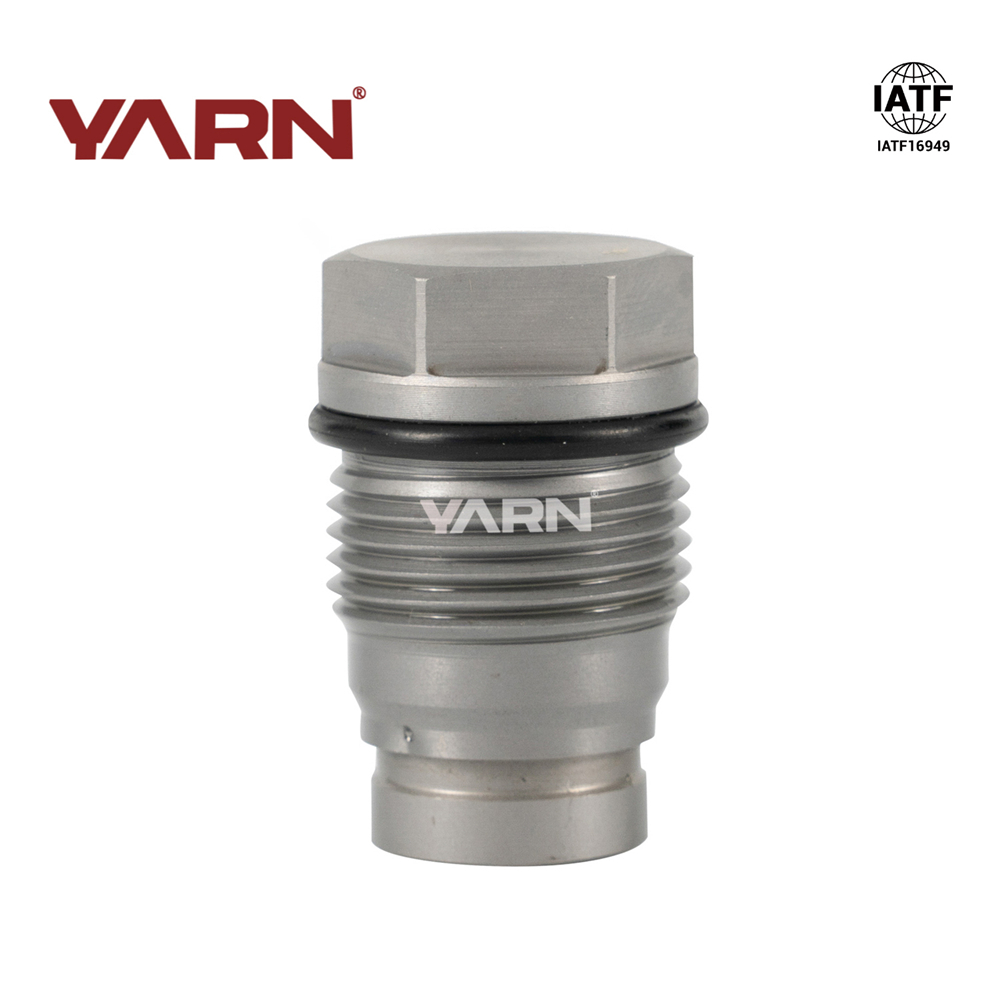
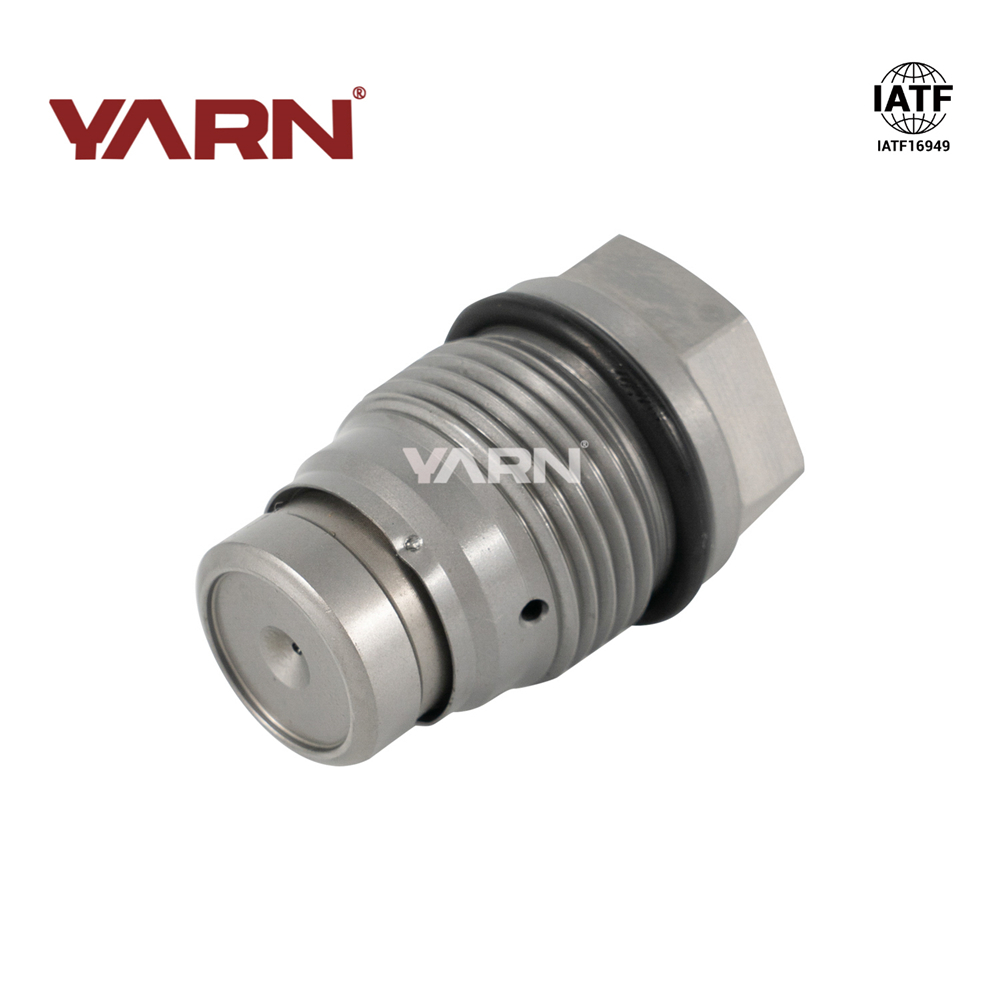
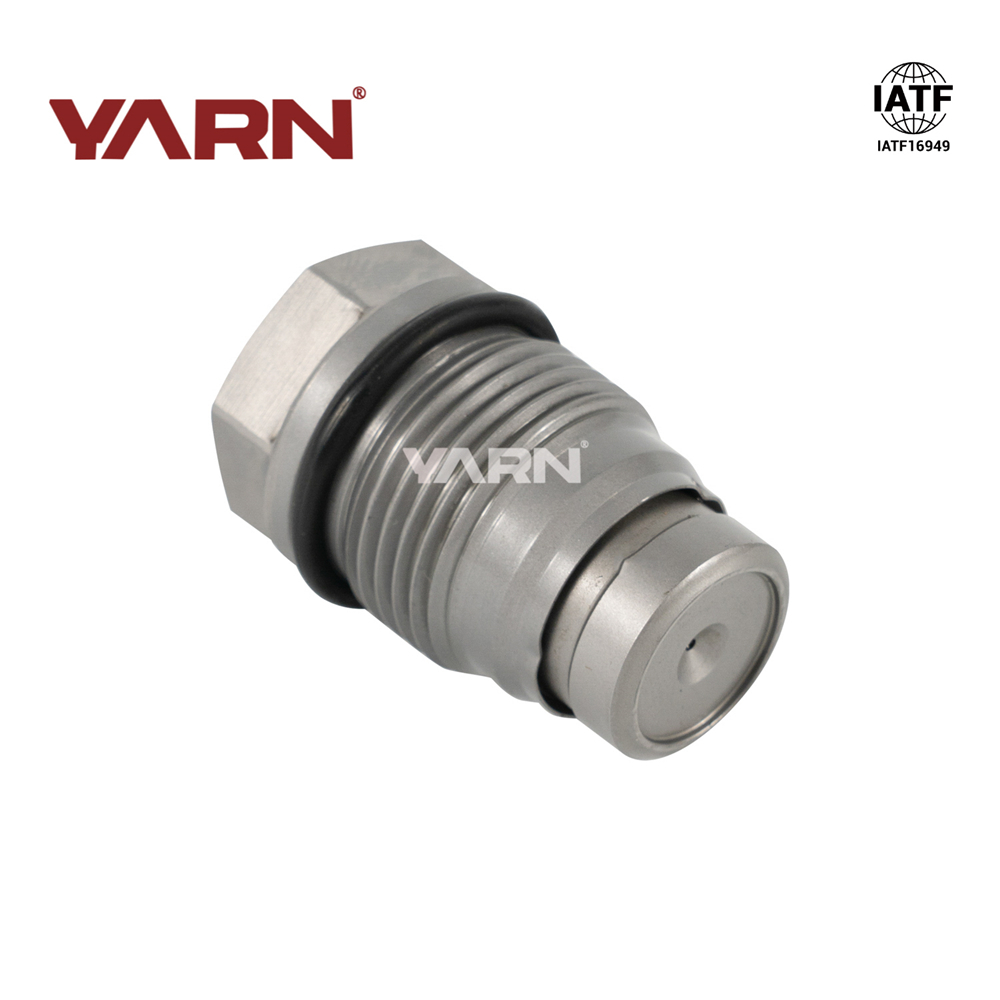
A common rail pressure relief valve is a safety and pressure control component installed on the fuel rail of a diesel engine’s common rail injection system. Its primary function is to open automatically when fuel pressure within the rail exceeds a predetermined safe limit, allowing excess fuel to bypass and return to the fuel tank or low-pressure circuit. The valve typically consists of a spring-loaded plunger or ball seated against an orifice. When rail pressure rises high enough to overcome the spring force, the valve lifts, relieving pressure and protecting downstream components such as injectors and high-pressure pumps from overpressure damage. Some designs are purely mechanical, while others incorporate electronic control for more precise pressure management. The relief valve is a critical element in maintaining system integrity and preventing catastrophic failures.
2. Why the Common Rail Pressure Relief Valve Matters
This valve is essential for several reasons. First, it prevents overpressure conditions that could rupture the rail, damage injectors, or compromise high-pressure seals, leading to fuel leaks and potential fires. Second, it stabilizes pressure fluctuations during sudden throttle changes or system malfunctions, ensuring consistent injection quantities and thus stable engine operation. Third, it acts as a last line of defense when the high-pressure pump’s metering unit or the pressure control valve fails, avoiding immediate and costly component destruction. Fourth, in many systems, the relief valve’s opening can be detected by the engine control unit, serving as a diagnostic indicator for issues like a stuck metering unit or clogged return lines. Without a functioning relief valve, a simple pressure regulator failure could escalate into a complete fuel system replacement, making this small component vital for both safety and economic operation of diesel engines.
3. Common Product Types by Common Rail Pressure Relief Valve
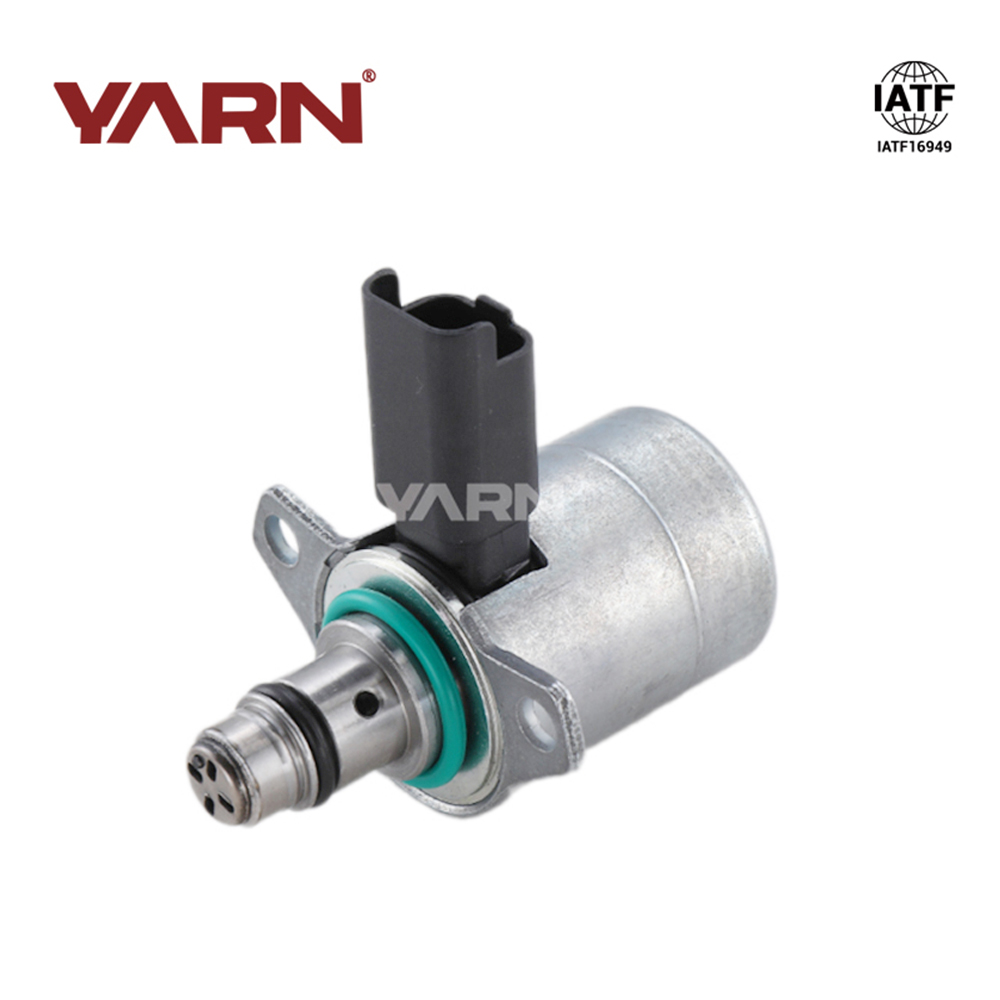
Common rail pressure relief valves are classified primarily by actuation method and pressure rating. Mechanical (hydraulic) types use a preset spring force to determine the opening pressure, typically ranging from 1,800 to 2,500 bar for modern diesel engines. These are simple, reliable, and widely used in heavy-duty and off-highway applications. Electromagnetic (solenoid-actuated) relief valves allow the engine control unit to open the valve on demand, enabling more flexible pressure management and faster response during transient conditions. Some systems combine a pilot-operated design, where a small solenoid controls a larger main valve to reduce actuation energy. Pressure rating categories include low-pressure (below 500 bar for older systems), medium-pressure (500–1,500 bar), and high-pressure (above 1,500 bar). Additionally, valves differ in port configuration (straight-through or angled), mounting thread size (M12, M14, M18 common), and integrated features like built-in damping or filtration screens.
4. Key Advantages of Common Rail Pressure Relief Valve
The primary advantages include enhanced system protection, improved reliability, and reduced maintenance costs. By instantly relieving excess pressure, the valve prevents explosive rail failure and injector needle damage, which would otherwise require expensive replacements. Mechanically actuated designs operate without electrical power or control signals, ensuring failsafe operation even during electronic glitches. Fast response times—typically within a few milliseconds—limit pressure spikes to safe levels. The valve also contributes to smoother engine running by damping high-frequency pressure oscillations. In systems with a return flow path, the relief valve can act as a crude pressure limiter, simplifying the high-pressure pump design. When integrated with electronic controls, it enables active pressure reduction during deceleration or engine braking, improving fuel economy. Finally, the visible or detectable opening of the valve offers a diagnostic clue for technicians, reducing troubleshooting time and preventing unnecessary replacement of healthy components.
5. Common Rail Pressure Relief Valve Machine Structure and Core Stations
The mechanical structure comprises a valve body (typically hardened steel with a threaded exterior for rail mounting), a valve seat with a precision-machined conical or spherical sealing surface, a moving element (ball, plunger, or poppet), a preload spring, an adjusting shim or screw, and a retaining cap or nut. Some designs include a damping piston to reduce chatter and a filter screen upstream of the seat. Core manufacturing and assembly stations include: (1) Valve seat grinding and lapping station to achieve sub-micron surface finish for leak-tight sealing. (2) Spring load testing station to verify spring rate and preload force within ±2% tolerance. (3) Ball or plunger dimensional inspection using optical or air gauging. (4) Assembly station where the spring, moving element, and seat are stacked and compressed. (5) Pressure calibration station, where the assembled valve is subjected to rising rail pressure while a sensor measures opening point; adjustments are made by changing shim thickness or screw position. (6) Leakage test station, measuring seat leakage before pop-off. (7) Final marking and packaging station.

_095913.jpg)