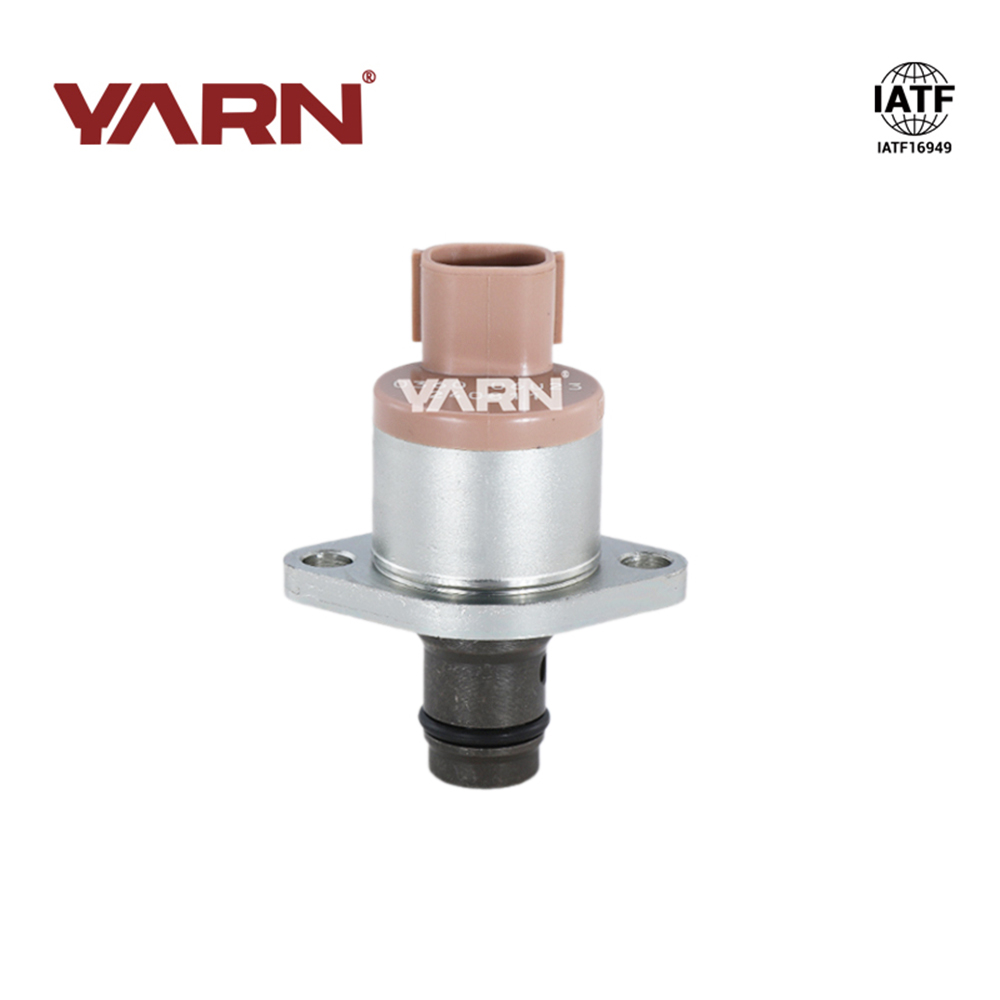
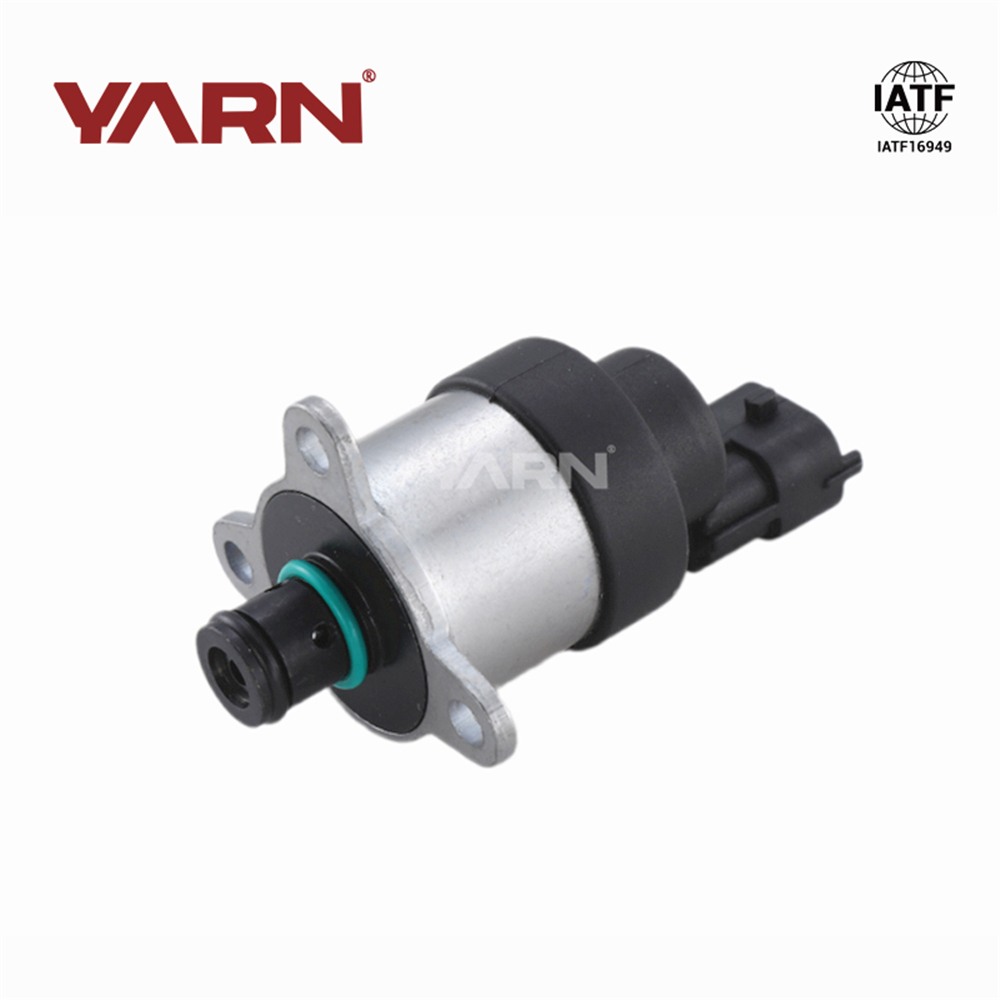
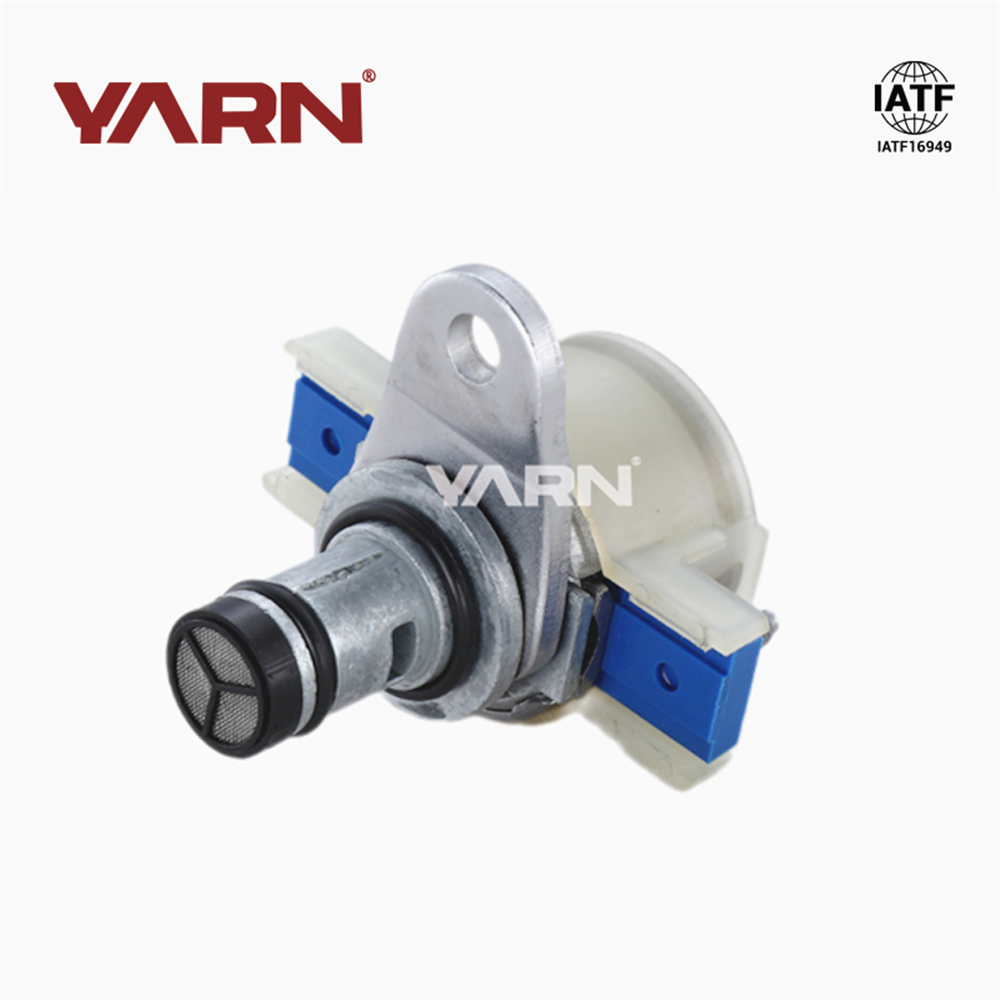
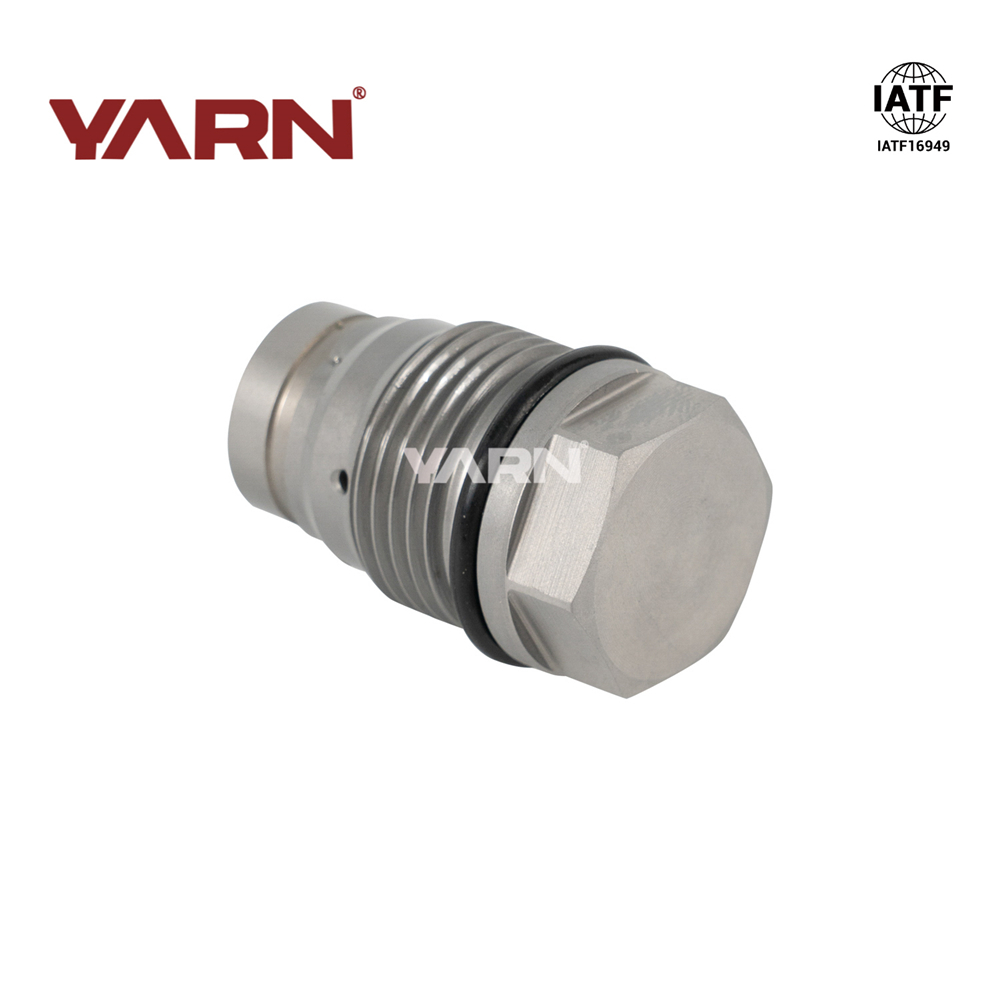
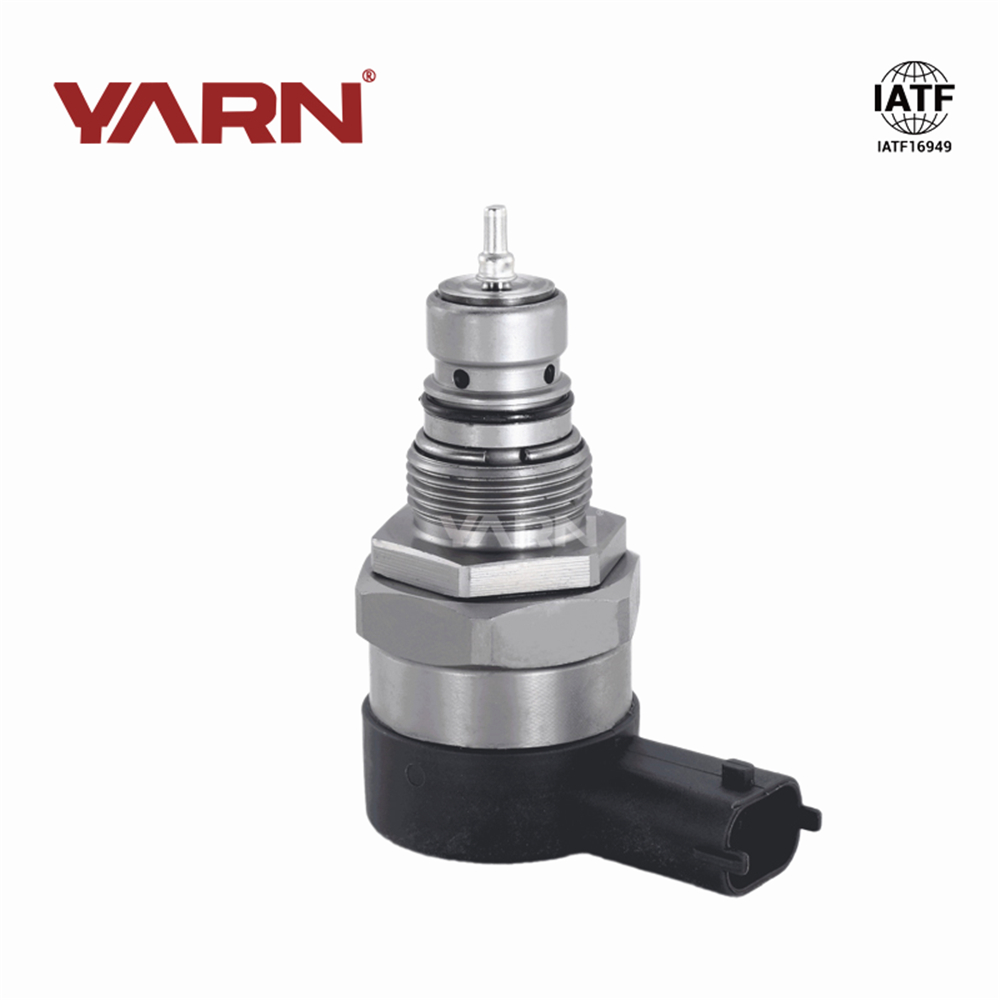
Private label:Support
Warranty:12 Months
Packing:Natural Box or Color Box
Suits for Pump/Rail Number:
FAQ:
Q1: Are you trading company or manufacturer?
A: We are factory in Rui an City.
Q2: How long is your production time?
A: Normal takes 3-7 days if we have stocks.If no enough stocks,it will takes about 20 days.
Q3: Do you provide samples? is it free or extra?
A: Yes.We offer samples.We charge for sample cost and freight cost.
Q4: What is your terms of payment?
A: Normal T/T payment.
Q5: What is your quality standard?
A: OE quality standard.All valves will test 2 times at least before shipment.Only ship the good
quality.
Q6: Can you produce according to sample or customize product?
A: Yes. We have a professional technical team with pre-sale and after sale service to perform your
request.
Q7: How do you make our business long-term and good relationship?
A: We keep good quality and competitive price to ensure our customers benefit ; We respect every customer
as our friend and we sincerely do business and make friends with them.
Our Advantage:
Excellent Quality Stable and Reliable
1. stable supply chain.
2. Strong relationship with business partners.
3. 90% of the Chinese market, widely acclaimed.
4. Highly efficient team service.
5. Timely
pre-sales and after-sales service.
Professional Factory Focus on product
details:
1. Selected superior imported materials, mature material supply chain.
2. Strict production management according to IATF-16949.
3. Strict quality inspection, 200% quality inspection rate.
4. Exported to more than 30 countries and regions, trusted by customers.
Quality Warranty:
1 year quality guarantee, all products have been tested 2 times before leaving the factory to ensure
stability.
Feedback:
Please share me video and photos to us for after sales.
We would also like to get your suggestions to
improve our products.
If you have any questions or need a quotation, please feel free to contact us. We will reply to your email
or phone call as soon as possible. We look forward to working with you to create a better future.
1. What Is a Rail Pressure Sensor
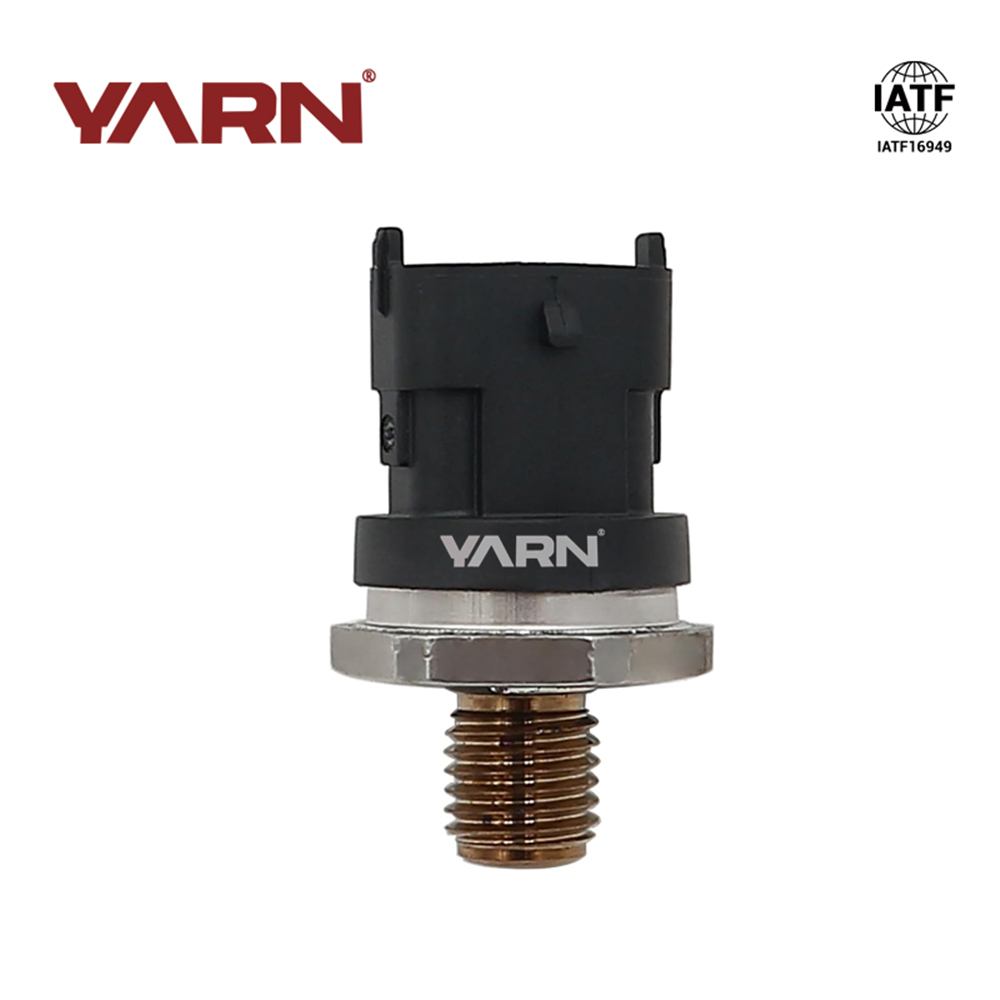
A rail pressure sensor is an electronic device mounted directly on the common rail of a diesel or gasoline direct injection engine. It continuously measures the instantaneous fuel pressure inside the rail and converts it into an electrical voltage signal. The sensor typically uses a piezoresistive or capacitive sensing element that deforms under pressure, changing its resistance or capacitance. This change is processed into a linear analog voltage proportional to the rail pressure. The engine control unit uses this real‑time signal to close the pressure control loop, adjusting the fuel metering valve to maintain the desired pressure. The sensor is essential for stable injection and precise combustion control.
2. Why the Rail Pressure Sensor Matters
The rail pressure sensor is critical because without accurate pressure feedback, the engine control unit cannot regulate fuel delivery precisely. Even small pressure errors cause incorrect injection quantities, leading to poor combustion, increased emissions, rough idling, and reduced power. The sensor enables closed‑loop control, ensuring actual rail pressure follows the target value under all operating conditions. It also supports diagnostic functions: a stuck or out‑of‑range sensor triggers fail‑safe modes, protecting injectors from overpressure. Moreover, the sensor’s fast response allows cycle‑by‑cycle pressure corrections, enabling multiple injection events such as pilot, main, and post injections for cleaner and quieter combustion. Without this sensor, modern common rail systems cannot meet emission or performance standards.
3. Common Product Types by Rail Pressure Sensor
Rail pressure sensors are classified by sensing principle, output type, and pressure range. Piezoresistive sensors, which use silicon strain gauges in a Wheatstone bridge, are most common and offer high accuracy. Capacitive sensors measure pressure by changing plate distance, suitable for very high pressures. By output signal: analog voltage and ratiometric outputs are standard; digital outputs such as SENT or CAN appear in modern systems for better noise immunity. Pressure ratings include low, medium, high, and ultra‑high for extreme applications. Mounting types include threaded with a seal ring or flanged designs. Some sensors integrate temperature measurement for combined pressure‑temperature output, providing additional diagnostic value.
4. Key Advantages of Rail Pressure Sensor
Key advantages include high accuracy, fast response, and excellent durability under extreme temperatures and vibrations. The sensor’s direct mounting on the rail eliminates pressure transmission lines, reducing lag and leakage risks. Its robust stainless steel diaphragm resists fuel corrosion and pressure spikes. The ratiometric analog output simplifies wiring and provides fail‑safe detection because out‑of‑range voltages clearly indicate sensor failure. By enabling closed‑loop pressure control, the sensor directly reduces engine‑out emissions such as smoke, NOx, and hydrocarbons, while improving fuel economy. It also supports advanced features like pressure‑based injection rate shaping. Finally, its compact design and standardised electrical connectors allow easy replacement and integration.
5. Rail Pressure Sensor Machine Structure and Core Stations
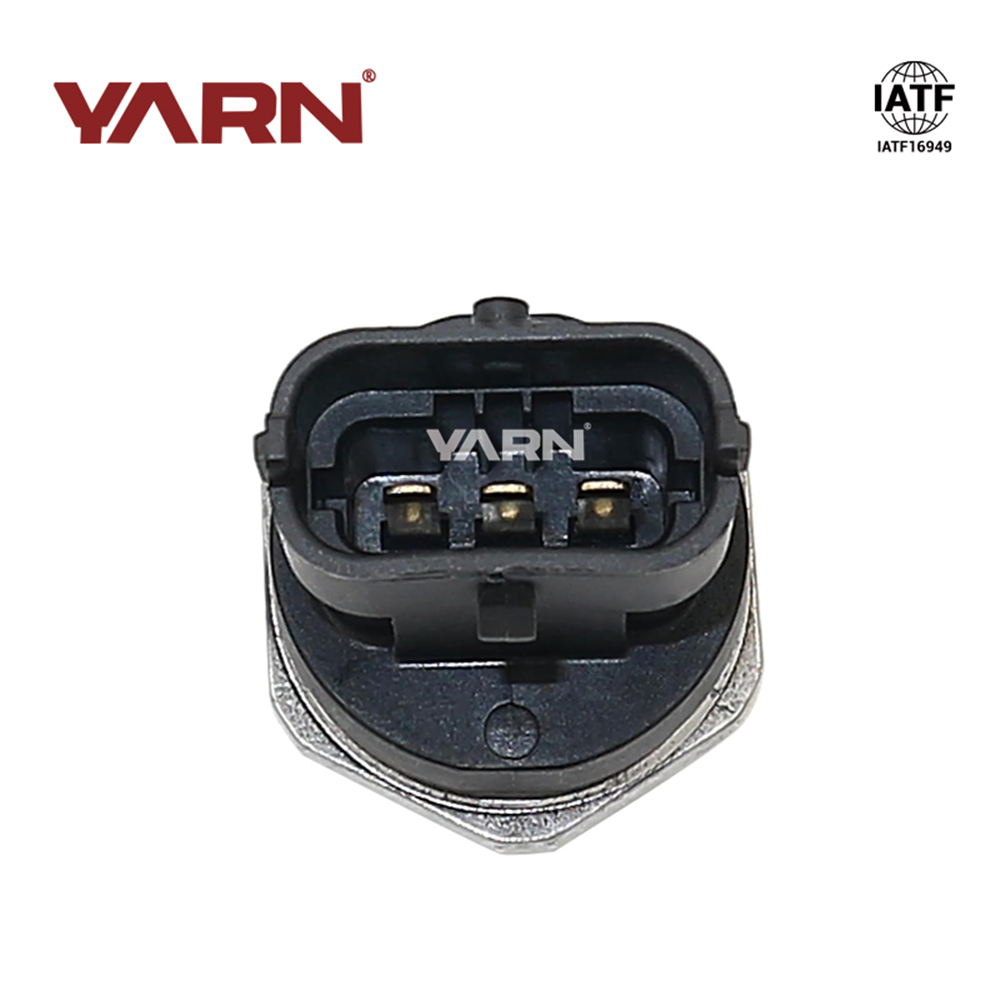
The structure comprises a stainless steel pressure port with a thin diaphragm, a piezoresistive silicon chip bonded to the diaphragm, a ceramic or PCB substrate with compensation circuitry, an ASIC for signal conditioning, a threaded metal housing, and a sealed electrical connector. Core manufacturing stations include diaphragm welding to the port, sensor chip bonding onto the diaphragm, wire bonding connecting the chip to the substrate, compensation and calibration where the sensor is exposed to known pressures at multiple temperatures while laser‑trimming resistors, ASIC programming for linearization, leak and overpressure testing, final assembly of electronics into the housing, and end‑of‑line functional verification of output voltage versus pressure. Each station ensures precision and reliability.

_095913.jpg)
_095916.jpg)
_095918.jpg)
_095920.jpg)