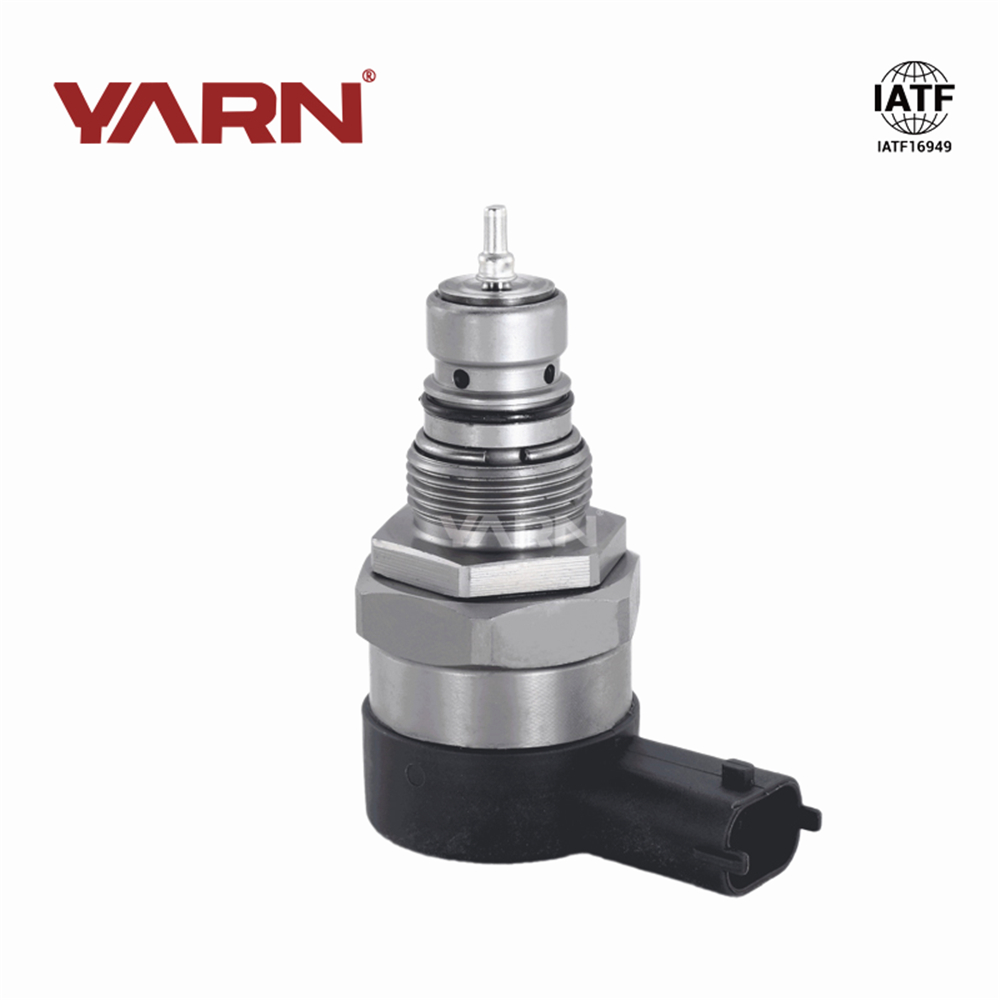
Private label:Support
Warranty:12 Months
Packing:Natural Box or Color Box
Suits for Pump/Rail Number:
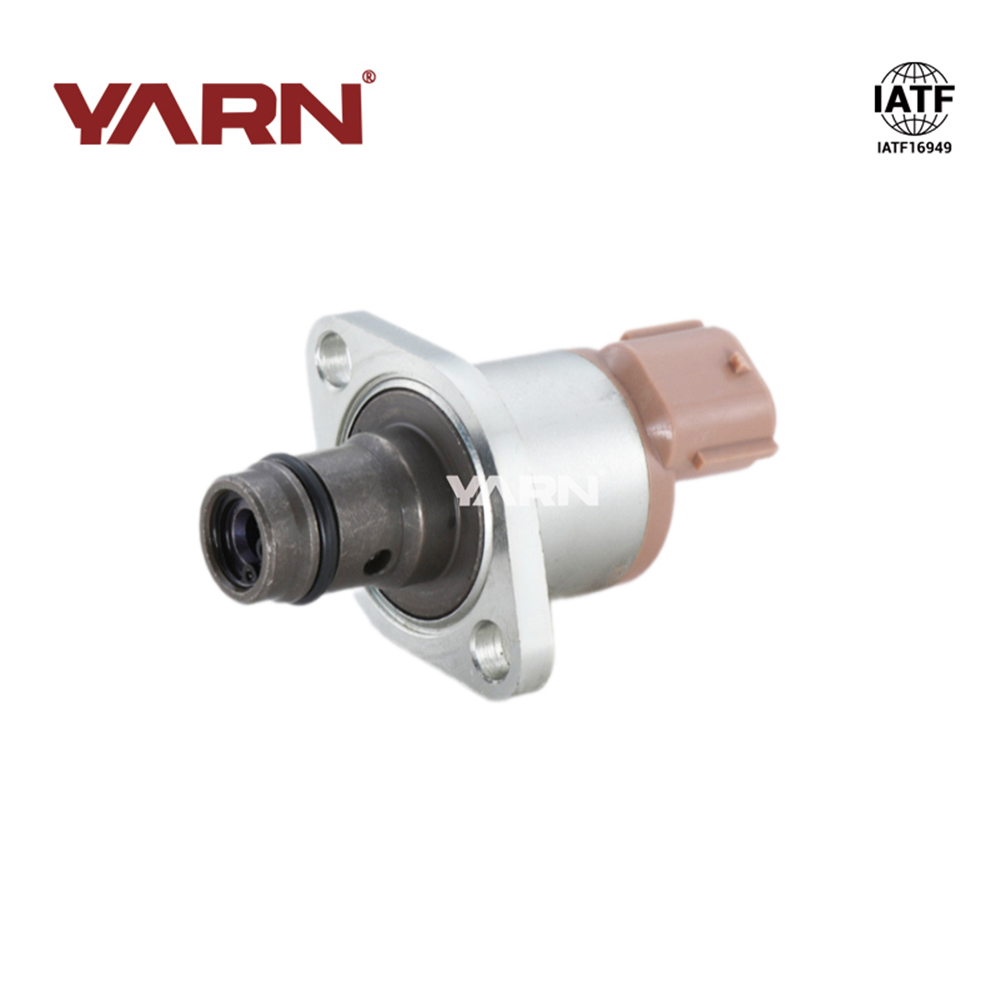
DENSO 294000-0330
DENSO 294000-0331
DENSO 294000-0332
DENSO 294000-0333
FAQ:
Q1: Are you trading company or manufacturer?
A: We are factory in Rui an City.
Q2: How long is your production time?
A: Normal takes 3-7 days if we have stocks.If no enough stocks,it will takes about 20 days.
Q3: Do you provide samples? is it free or extra?
A: Yes.We offer samples.We charge for sample cost and freight cost.
Q4: What is your terms of payment?
A: Normal T/T payment.
Q5: What is your quality standard?
A: OE quality standard.All valves will test 2 times at least before shipment.Only ship the good
quality.
Q6: Can you produce according to sample or customize product?
A: Yes. We have a professional technical team with pre-sale and after sale service to perform your
request.
Q7: How do you make our business long-term and good relationship?
A: We keep good quality and competitive price to ensure our customers benefit ; We respect every customer
as our friend and we sincerely do business and make friends with them.
Our Advantage:
Excellent Quality Stable and Reliable
1. stable supply chain.
2. Strong relationship with business partners.
3. 90% of the Chinese market, widely acclaimed.
4. Highly efficient team service.
5. Timely
pre-sales and after-sales service.
Professional Factory Focus on product
details:
1. Selected superior imported materials, mature material supply chain.
2. Strict production management according to IATF-16949.
3. Strict quality inspection, 200% quality inspection rate.
4. Exported to more than 30 countries and regions, trusted by customers.
Quality Warranty:
1 year quality guarantee, all products have been tested 2 times before leaving the factory to ensure
stability.
Feedback:
Please share me video and photos to us for after sales.
We would also like to get your suggestions to
improve our products.
If you have any questions or need a quotation, please feel free to contact us. We will reply to your email
or phone call as soon as possible. We look forward to working with you to create a better future.
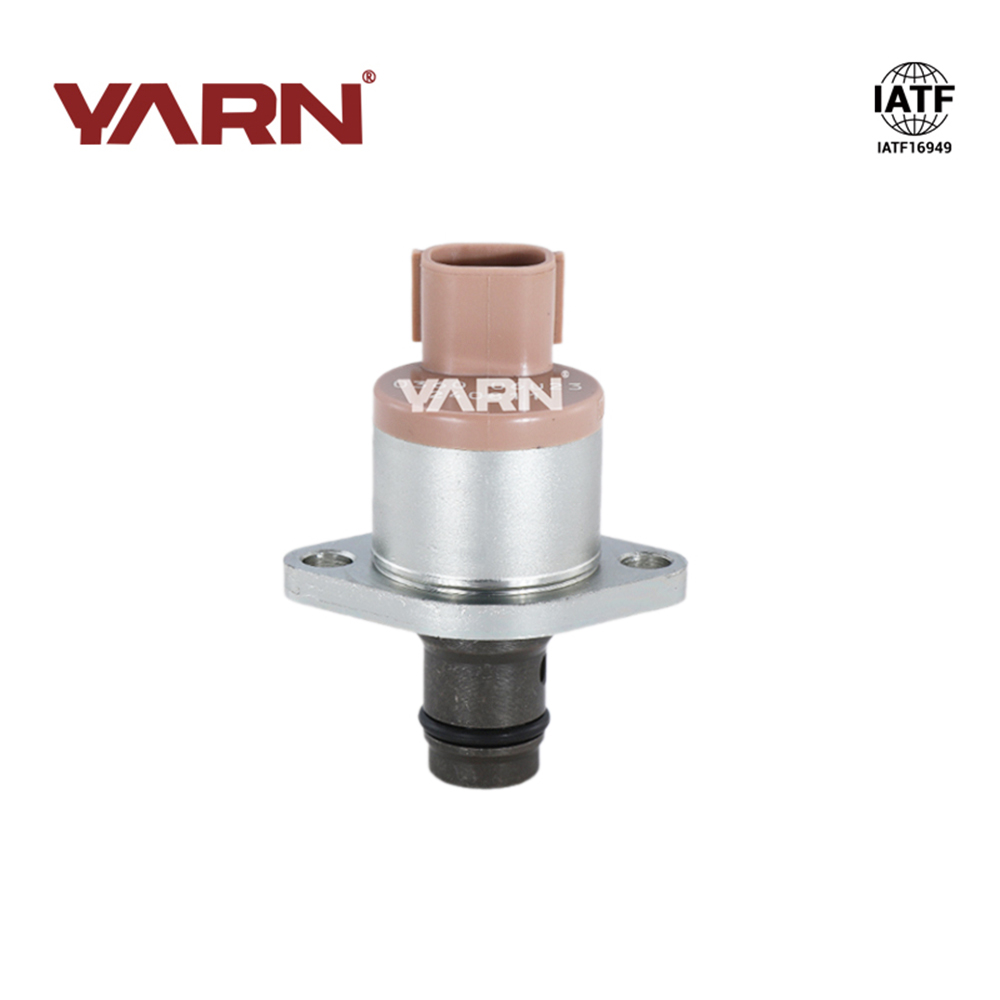
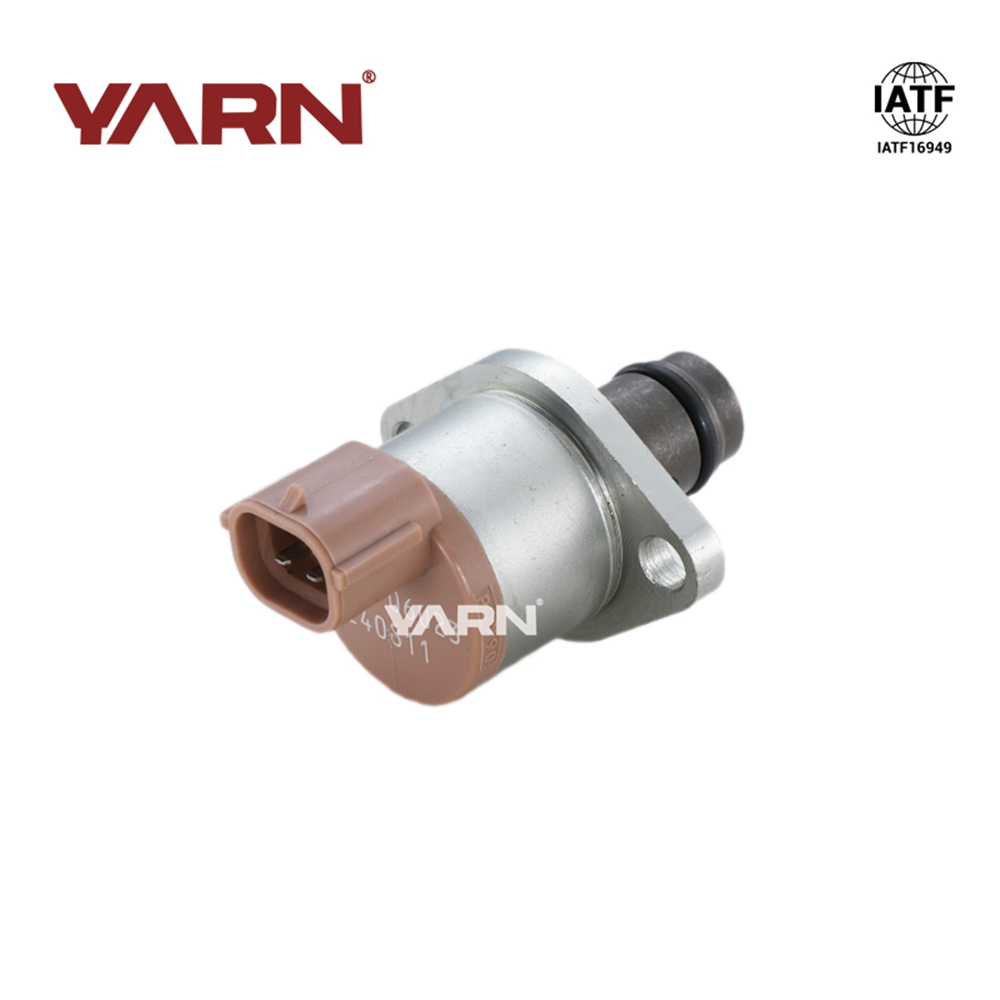
1. What Is a Fuel Pump Suction Control Valve
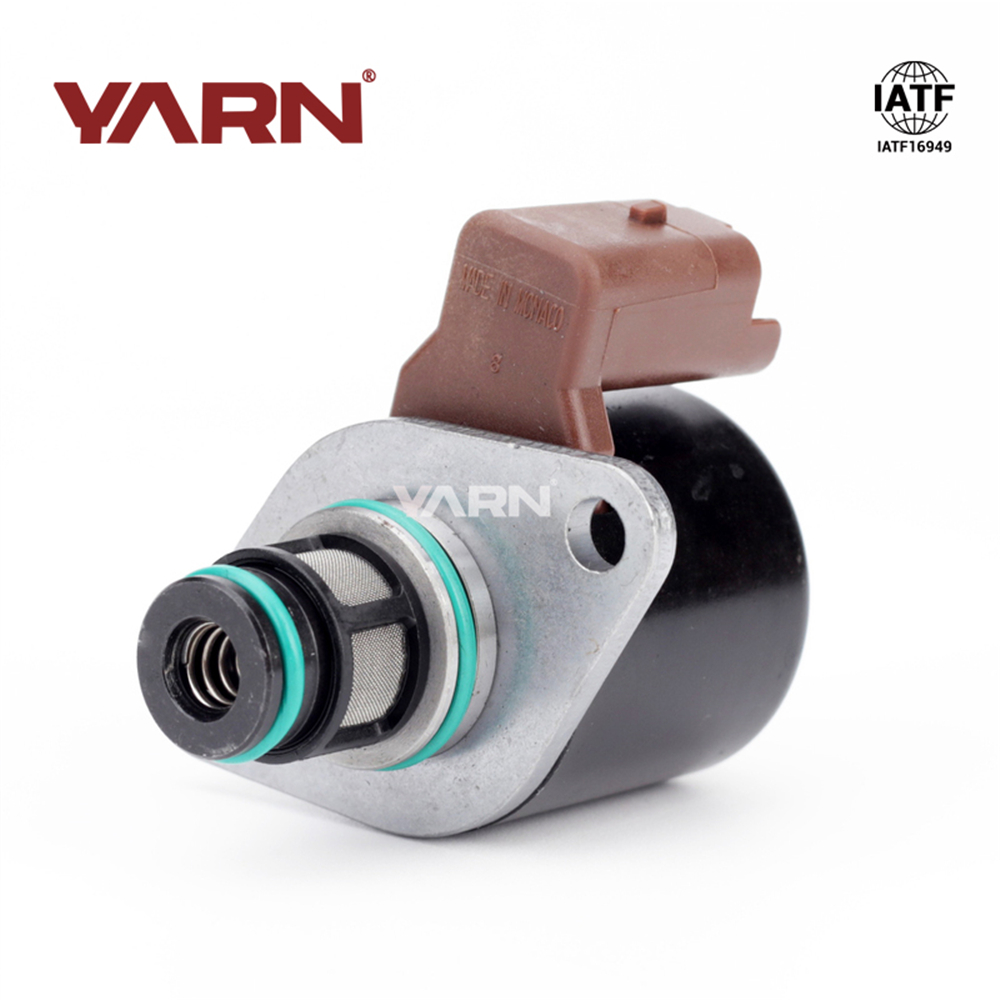
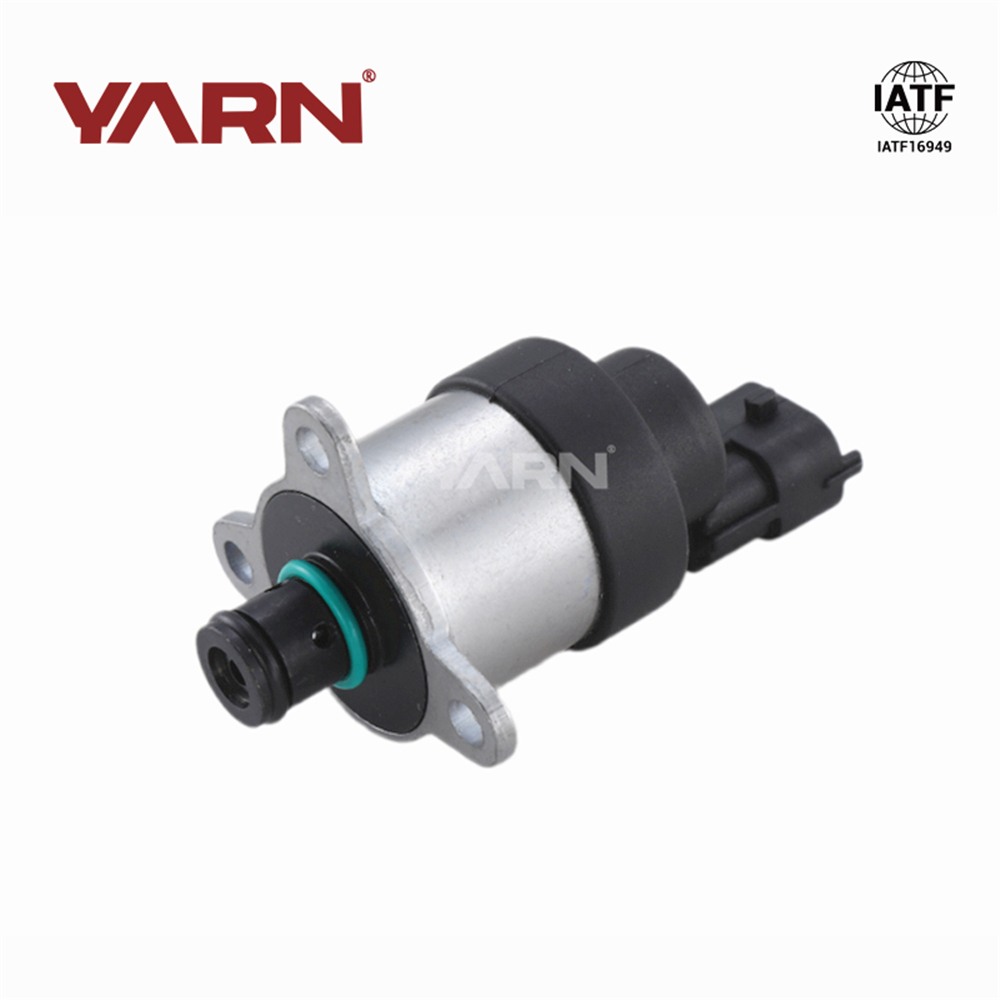
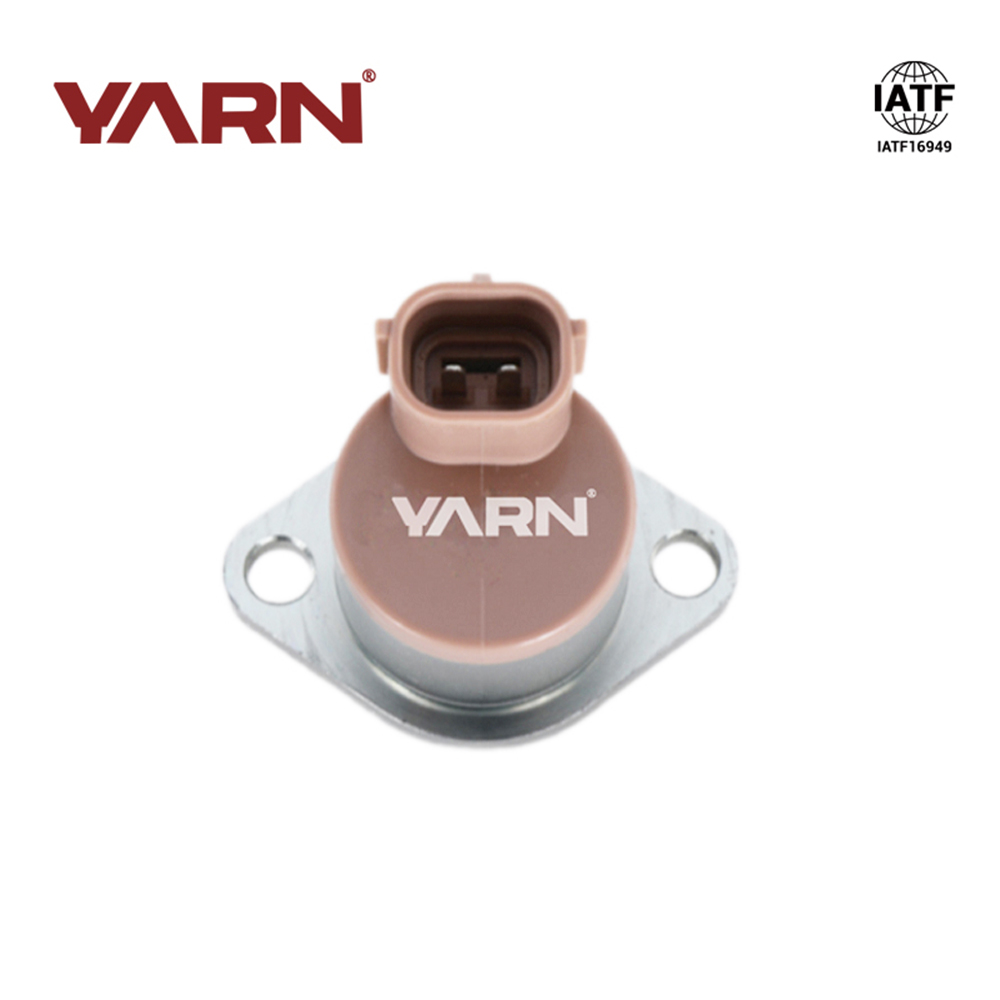
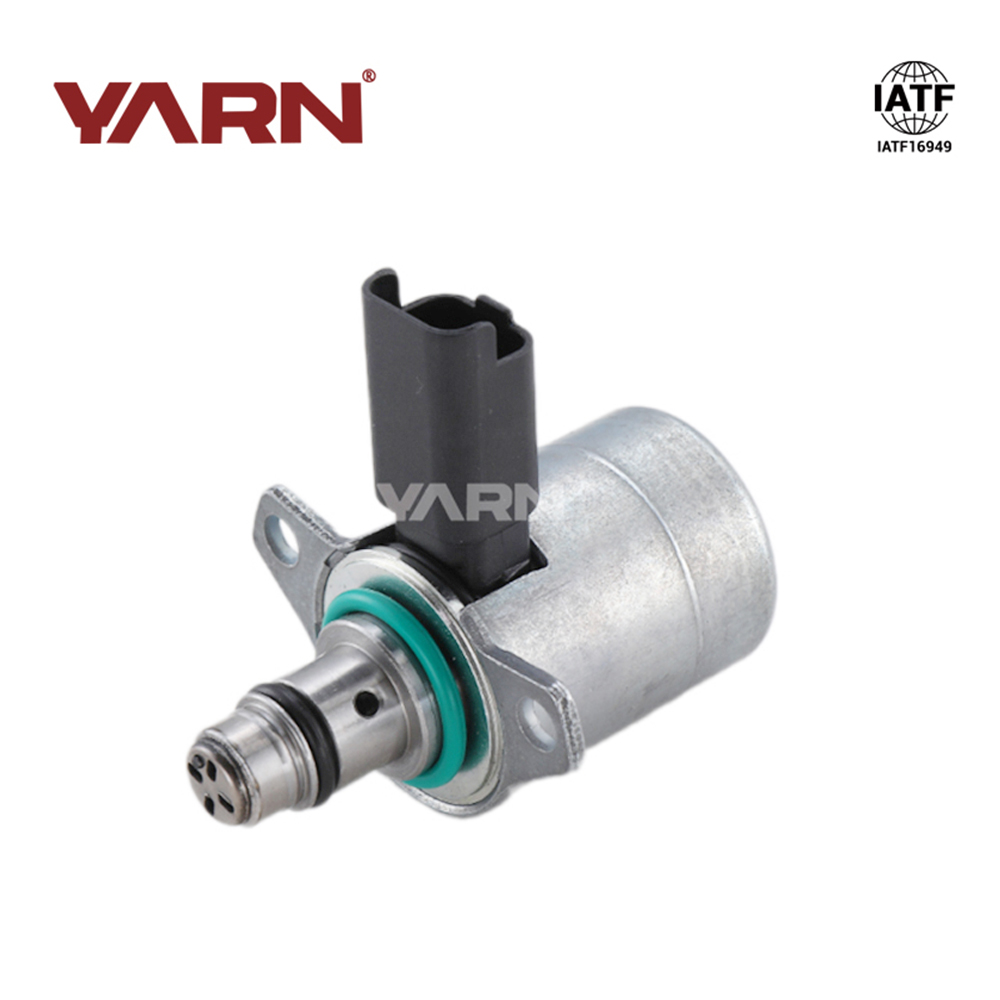
A fuel pump suction control valve (SCV) is an electrically actuated proportional valve installed at the inlet port of a high-pressure fuel pump, typically in diesel common rail systems. It regulates the volume of fuel drawn from the transfer pump (or tank) into the pumping chamber. The valve consists of a solenoid coil, an armature, a spring, and a variable orifice. When energized with a pulse-width modulated (PWM) signal from the engine control unit, the valve moves a plunger or spool to restrict or enlarge the inlet passage. By controlling how much fuel enters the pumping chamber, the SCV determines the output flow and thus the rail pressure. Unlike a pressure relief valve that dumps excess fuel after compression, the suction control valve meters fuel before compression, minimizing energy waste. Most modern common rail pumps (radial or inline piston pumps) use an SCV as the primary pressure control actuator. It operates at low suction side pressure (typically 2–10 bar) but directly influences the high-pressure output up to 2,500 bar.
2. Why the Fuel Pump Suction Control Valve Matters
The suction control valve is vital because it directly governs rail pressure accuracy, pump efficiency, and system durability. By admitting only the necessary fuel mass into the pumping chamber, it eliminates over-compression of excess fuel, reducing parasitic power loss by 3–7% compared to older systems with fixed inlet throttles. This lower pumping work translates into cooler fuel and longer component life. The SCV’s fast response (typically 5–15 ms) enables precise rail pressure control during rapid load changes, improving throttle response and reducing emissions spikes. Furthermore, the SCV acts as a safety component: most designs are normally open, so a loss of electrical signal allows maximum fuel flow, preventing fuel starvation and allowing limp‑home operation. Without a functioning SCV, the high-pressure pump would either deliver uncontrolled full flow (causing rail overpressure and injector damage) or no flow (engine stops). For these reasons, the SCV is indispensable for meeting modern emission regulations, achieving fuel economy targets, and ensuring reliable engine operation under all driving conditions.
3. Common Product Types by Fuel Pump Suction Control Valve
Suction control valves are classified by actuation principle, hydraulic characteristic, and application. Normally open (NO) is the most common type: with no current, the valve is fully open, allowing maximum fuel flow; increasing PWM duty cycle reduces flow. This provides fail‑safe operation (engine can still run, though pressure control is lost). Normally closed (NC) valves exist for some systems where fuel cut‑off on power loss is desired, but they are rarer. By internal design: poppet-type (a cone seats against an orifice) – simple and leak‑tight, used in lower-flow pumps; spool-type (a sliding spool with metering edges) – offers better linearity and higher flow capacity, common in high‑power engines. By control method: analog current‑controlled and PWM voltage‑controlled. Some advanced SCVs include a position sensor (inductive or Hall effect) for closed‑loop feedback, enabling more precise metering. By flow rating: low flow (up to 30 L/h for small passenger car pumps), medium (30–100 L/h), and high flow (>100 L/h for heavy‑duty trucks). Additionally, there are two‑stage SCVs that use a small pilot solenoid to control a larger main valve, reducing electrical power consumption while handling high flow rates.

_095913.jpg)