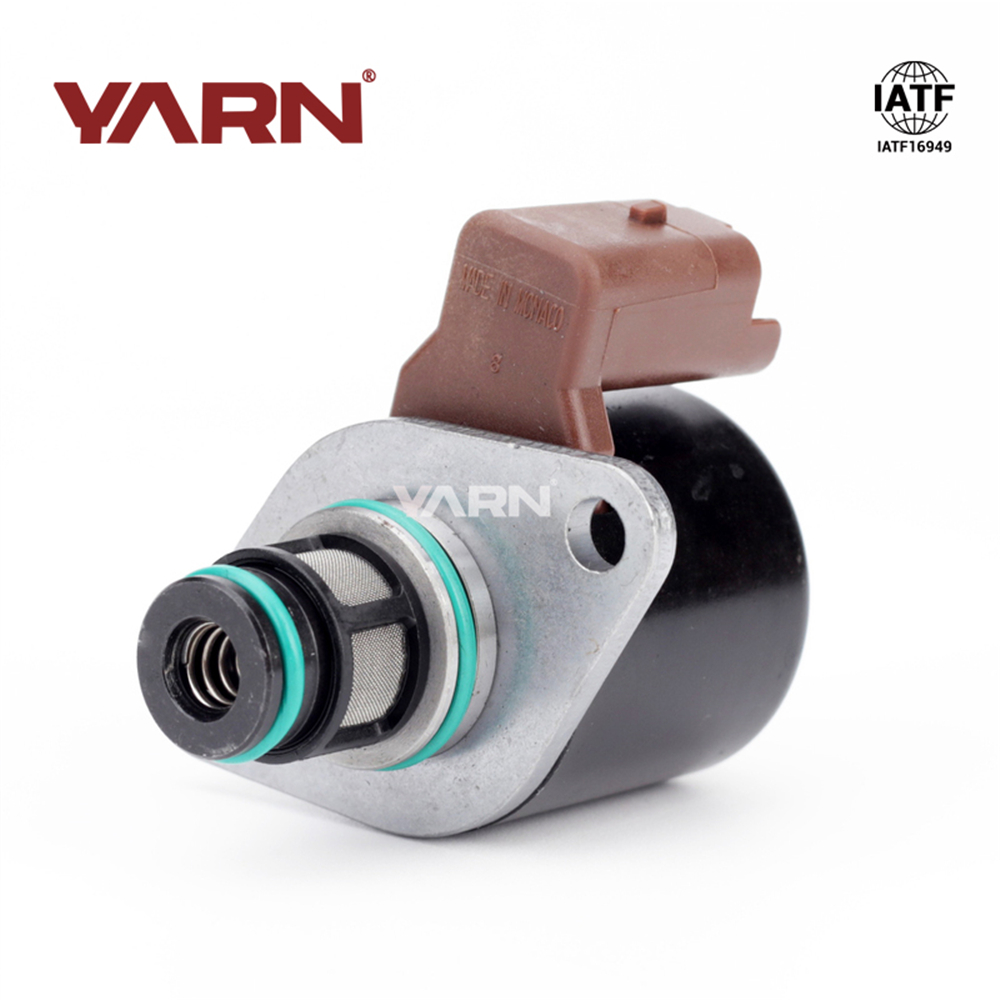
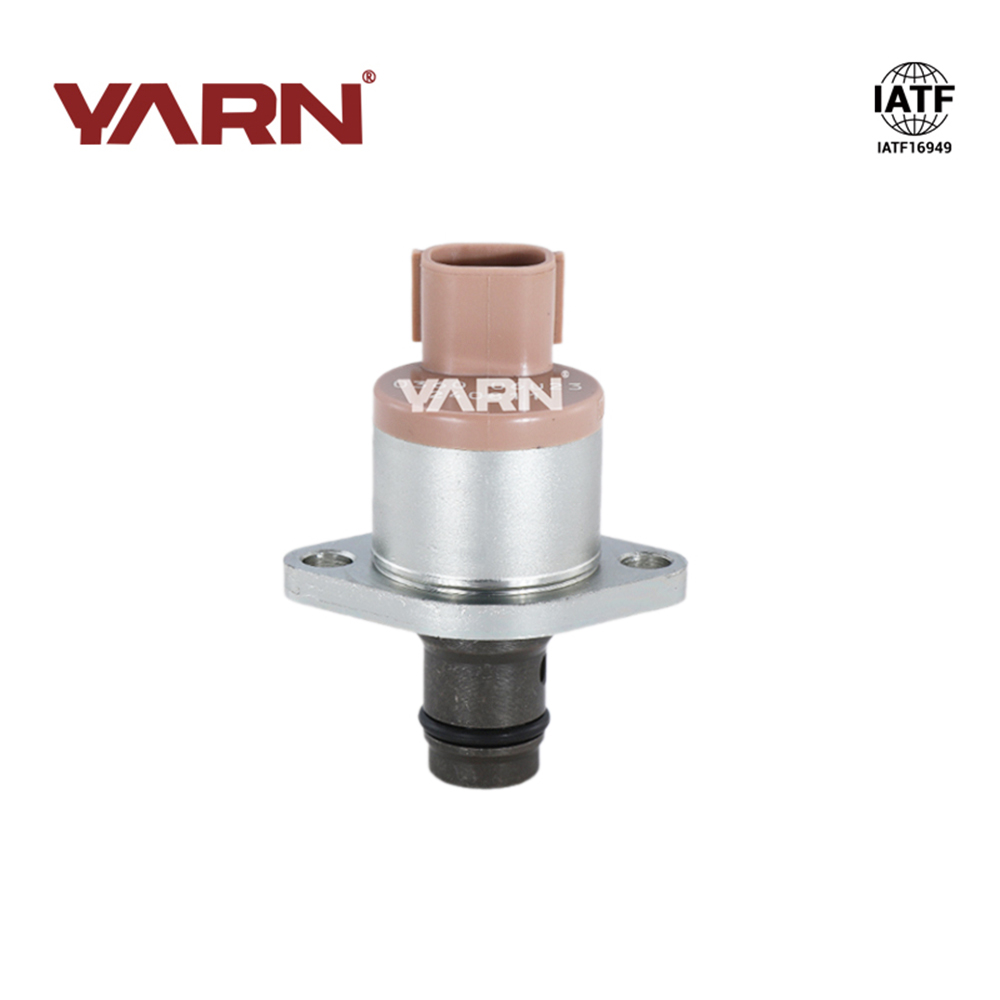
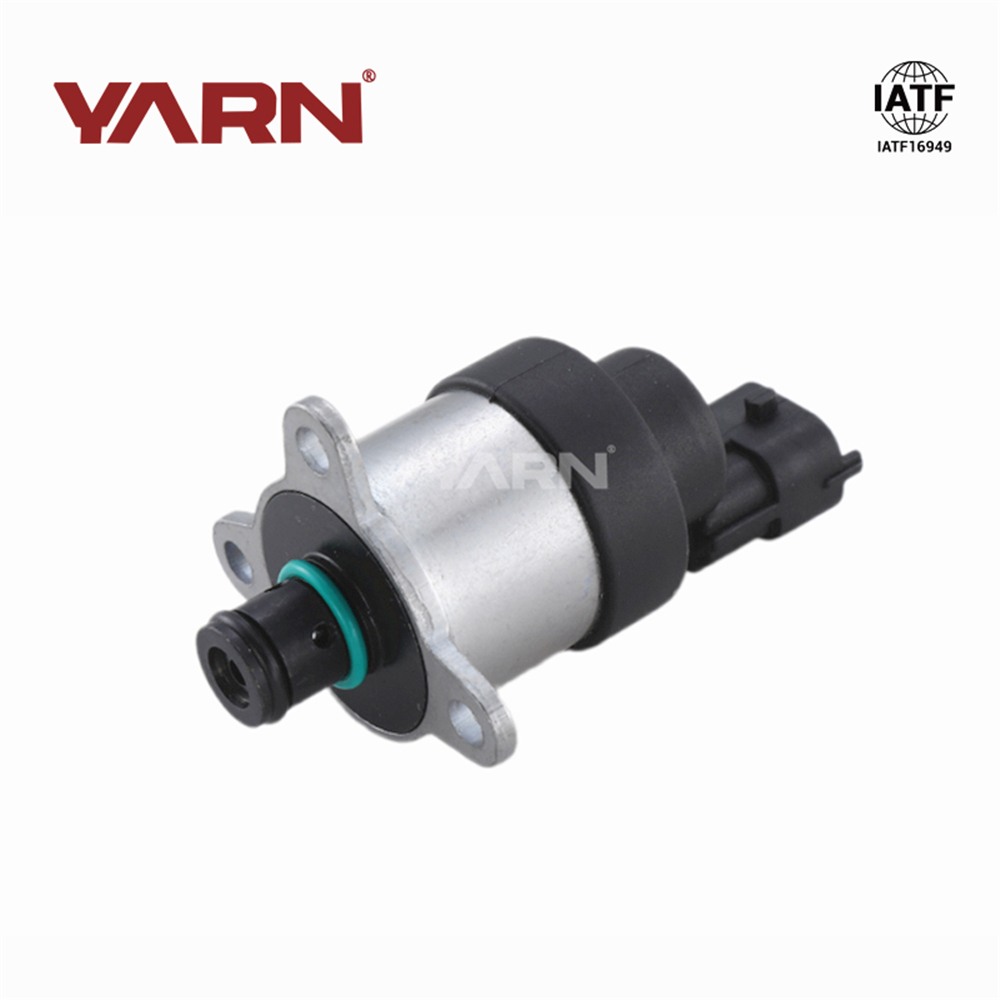
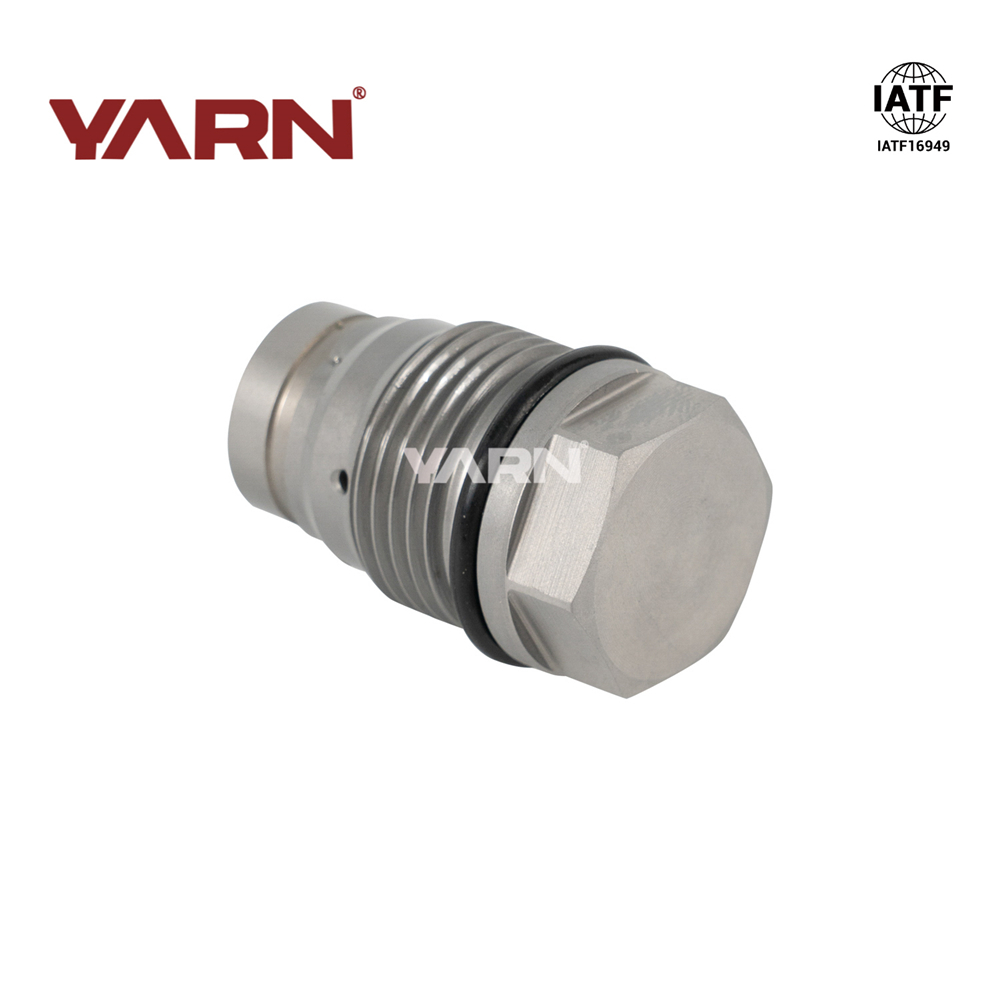
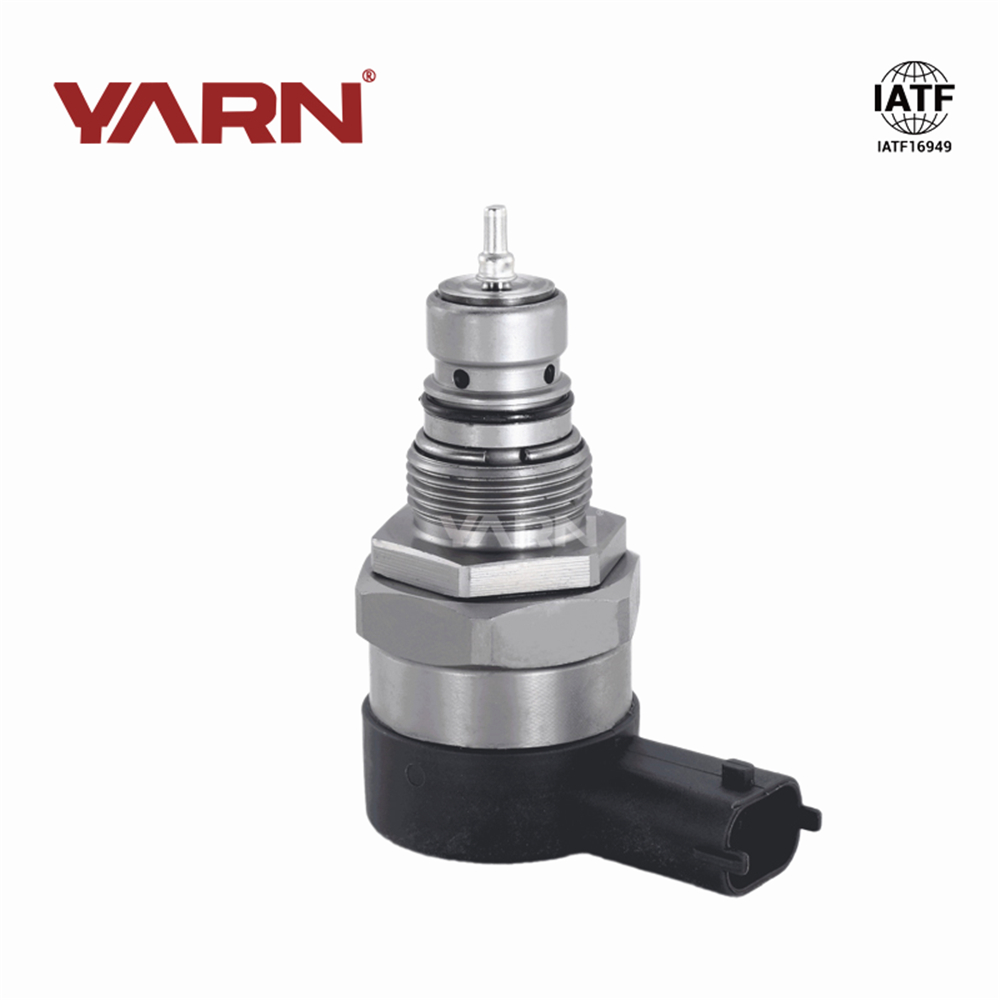
Private label:Support
Warranty:12 Months
Packing:Natural Box or Color Box
Suits for Pump/Rail Number:
FAQ:
Q1: Are you trading company or manufacturer?
A: We are factory in Rui an City.
Q2: How long is your production time?
A: Normal takes 3-7 days if we have stocks.If no enough stocks,it will takes about 20 days.
Q3: Do you provide samples? is it free or extra?
A: Yes.We offer samples.We charge for sample cost and freight cost.
Q4: What is your terms of payment?
A: Normal T/T payment.
Q5: What is your quality standard?
A: OE quality standard.All valves will test 2 times at least before shipment.Only ship the good
quality.
Q6: Can you produce according to sample or customize product?
A: Yes. We have a professional technical team with pre-sale and after sale service to perform your
request.
Q7: How do you make our business long-term and good relationship?
A: We keep good quality and competitive price to ensure our customers benefit ; We respect every customer
as our friend and we sincerely do business and make friends with them.
Our Advantage:
Excellent Quality Stable and Reliable
1. stable supply chain.
2. Strong relationship with business partners.
3. 90% of the Chinese market, widely acclaimed.
4. Highly efficient team service.
5. Timely
pre-sales and after-sales service.
Professional Factory Focus on product
details:
1. Selected superior imported materials, mature material supply chain.
2. Strict production management according to IATF-16949.
3. Strict quality inspection, 200% quality inspection rate.
4. Exported to more than 30 countries and regions, trusted by customers.
Quality Warranty:
1 year quality guarantee, all products have been tested 2 times before leaving the factory to ensure
stability.
Feedback:
Please share me video and photos to us for after sales.
We would also like to get your suggestions to
improve our products.
If you have any questions or need a quotation, please feel free to contact us. We will reply to your email
or phone call as soon as possible. We look forward to working with you to create a better future.
1. What Is a Cylinder Brake Solenoid Valve
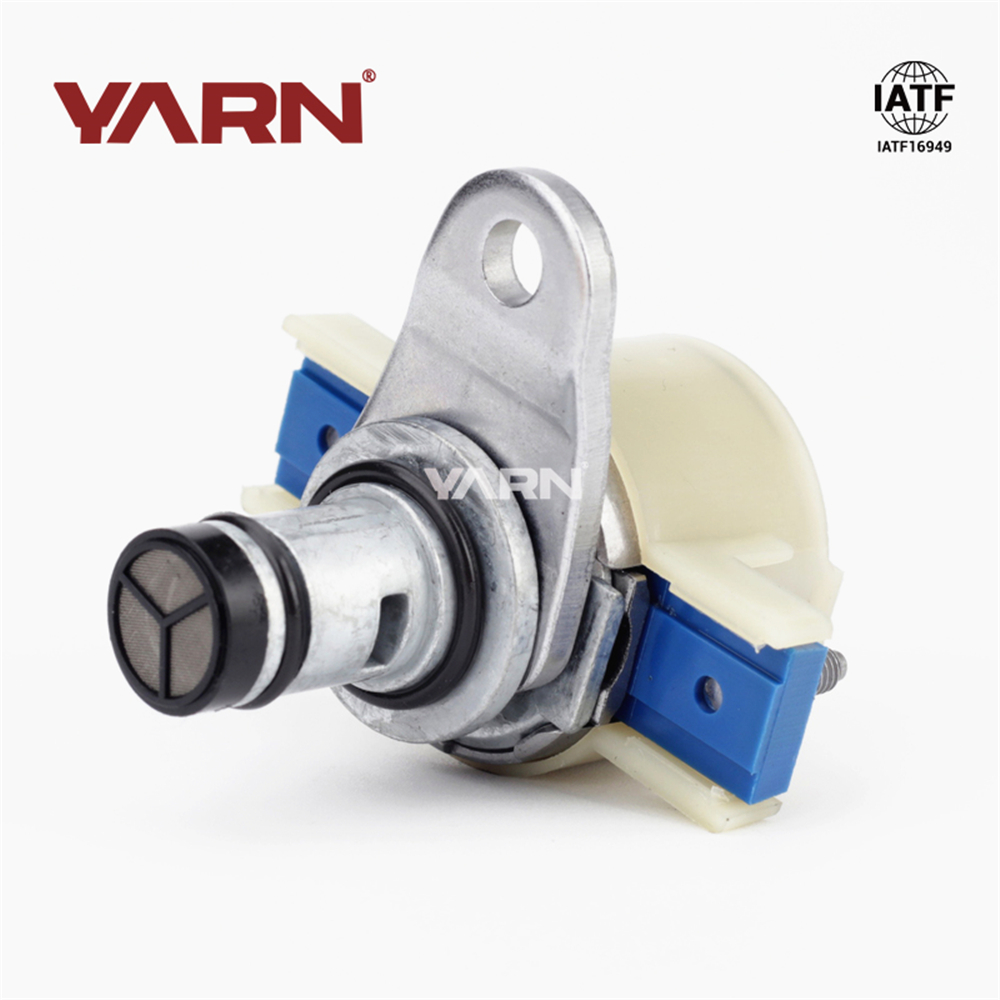
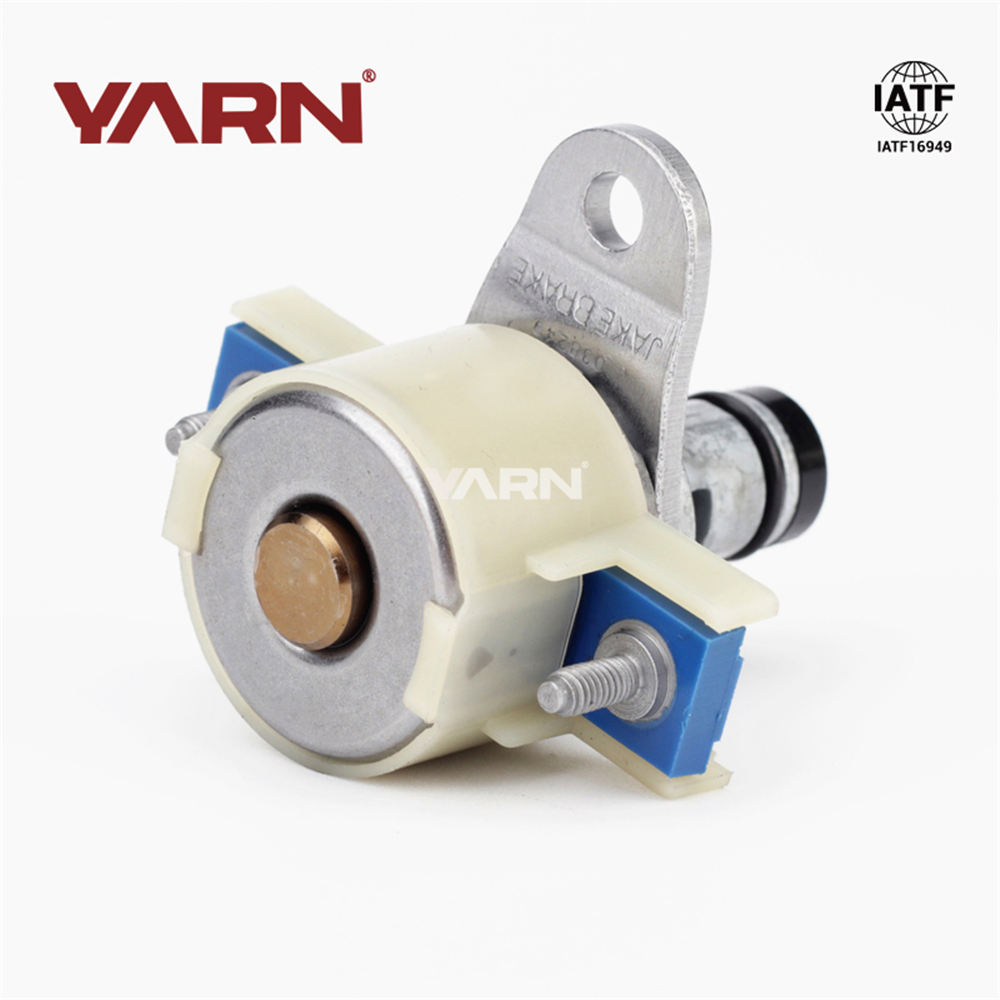
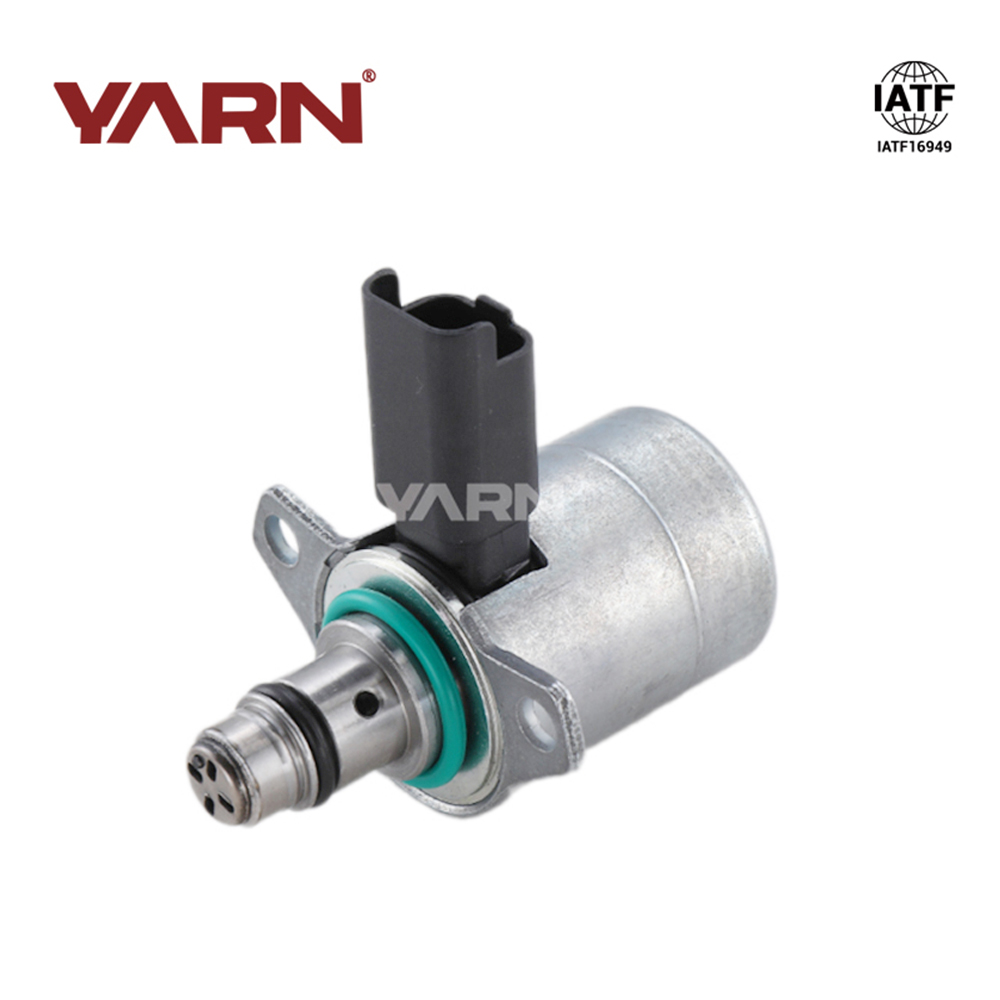
A cylinder brake solenoid valve is an electromechanical device that controls the flow of compressed air or hydraulic fluid to a brake cylinder in a vehicle’s braking system. It consists of a solenoid coil, a plunger (armature), a spring, and a valve body with inlet and outlet ports. When the solenoid receives an electrical signal from the brake control unit, it generates a magnetic field that moves the plunger, opening or closing the internal passage. This allows pressure medium to enter or exhaust from the brake cylinder, thereby applying or releasing the brake. Cylinder brake solenoid valves are widely used in air brake systems of commercial vehicles (trucks, buses, trailers), as well as in hydraulic brake systems of construction machinery and certain railway applications. They can be designed for direct control of single cylinders or as part of a modular anti-lock braking system (ABS). Their typical operating pressure ranges from 0.8 to 1.2 MPa for air systems, and up to 20 MPa for hydraulic systems.
2. Why the Cylinder Brake Solenoid Valve Matters
The cylinder brake solenoid valve is critical for safe and precise braking. First, it enables fast and repeatable brake response: activation times of 20–50 milliseconds ensure that braking commands from the driver or electronic control unit are executed almost instantly, minimizing stopping distance. Second, it allows individual wheel cylinder control in ABS installations, preventing wheel lockup and maintaining steerability during panic braking. Third, it facilitates advanced functions such as traction control, electronic stability program, and hill-hold assist by modulating brake cylinder pressure independently. Fourth, compared to purely mechanical brake valves, solenoid valves provide fail-safe operation: many designs are normally closed, so loss of electrical power results in brake release or hold depending on system architecture, preventing unintended drag. Fifth, they reduce driver effort and enable automated braking in collision mitigation systems. Without a reliable cylinder brake solenoid valve, modern commercial vehicles could not achieve the levels of active safety, regulatory compliance, and brake balancing required by law.
3. Common Product Types by Cylinder Brake Solenoid Valve
Cylinder brake solenoid valves are classified by several criteria. By number of ports: 2/2-way (two ports, two positions – simple on/off), 3/2-way (three ports – supply, delivery, exhaust), and 3/3-way (third position for holding pressure). By actuation principle: direct-acting (plunger directly opens seat, suitable for low flow) and pilot-operated (small solenoid controls larger internal pilot valve, used for high-flow ABS modulators). By nominal voltage: 12V DC and 24V DC dominate commercial vehicle applications; 5V or 24V for electronic-controlled systems. By pressure rating: low-pressure (≤1 MPa for air brake), medium-pressure (1–5 MPa for hydraulic booster), and high-pressure (5–20 MPa for direct hydraulic braking). By mounting style: inline screw-in, subplate-mounted (common in ABS valve blocks), and cartridge type (inserted into cylinder ports). By functional role: ABS isolation valve (closes when wheel slip detected), ABS dump valve (releases pressure from cylinder), or combination valve integrated with a pressure sensor. Some products also include integrated quick-release or check valve features.
4. Key Advantages of Cylinder Brake Solenoid Valve
Key advantages include rapid response, precision control, reliability, and design flexibility. Response times under 30 ms allow fine modulation of brake force, reducing stopping distance and jerking. Unlike pneumatic relay valves, solenoid valves can be pulse-width-modulated to achieve any intermediate pressure, enabling smooth anti-lock and traction control. Their compact size and low power consumption (typically 5–20 watts) make them easy to integrate into axle- or wheel-mounted modules. Sealed electromagnetic designs resist dust, water, and vibration, meeting IP65 or IP67 ratings for harsh underbody conditions. Another advantage is fail-operation: many valves include manual override for emergency release or testing. Solenoid valves also support electric braking interfaces (EBS), eliminating pneumatic lag and simplifying hybrid vehicle integration. For manufacturers, modular solenoid valve blocks reduce piping, leaks, and assembly time. Maintenance is simplified because individual valves can be replaced without removing entire brake calipers. Furthermore, solenoid valves enable advanced diagnostics: coil resistance, current profile, and switching time can be monitored to detect impending failures before they affect braking performance.
5. Cylinder Brake Solenoid Valve Machine Structure and Core Stations
The structure consists of: a solenoid coil (copper wire wound on a bobbin), a ferromagnetic casing or yoke, a movable plunger with sealing element (rubber or PTFE), a return spring, a stationary valve seat (brass or stainless steel), and a housing (anodized aluminum or zinc-plated steel). Core manufacturing stations: (1) Coil winding station – precision winding of enameled copper wire with insulation layers, followed by taping and varnishing. (2) Plunger and seat lapping station – fine grinding of sealing faces to achieve leakage rates below 10 cm³/min at rated pressure. (3) Armature assembly – inserting plunger, spring, and guide bushings into the tube, then crimping the tube end. (4) Coil overmolding station – injection molding of the coil with thermoplastic or thermoset resin to seal against moisture and vibration. (5) Final assembly – inserting the coil assembly onto the valve body and securing with nuts or screws. (6) Functional test station – applying voltage and measuring opening/closing pressure, flow rate, response time, and electrical current draw. (7) Leakage test station – using mass flow meters or pressure decay to verify internal and external leakage. (8) Marking and packaging – laser etching of part number, date code, and operating pressure range.

_095913.jpg)